

Introduction
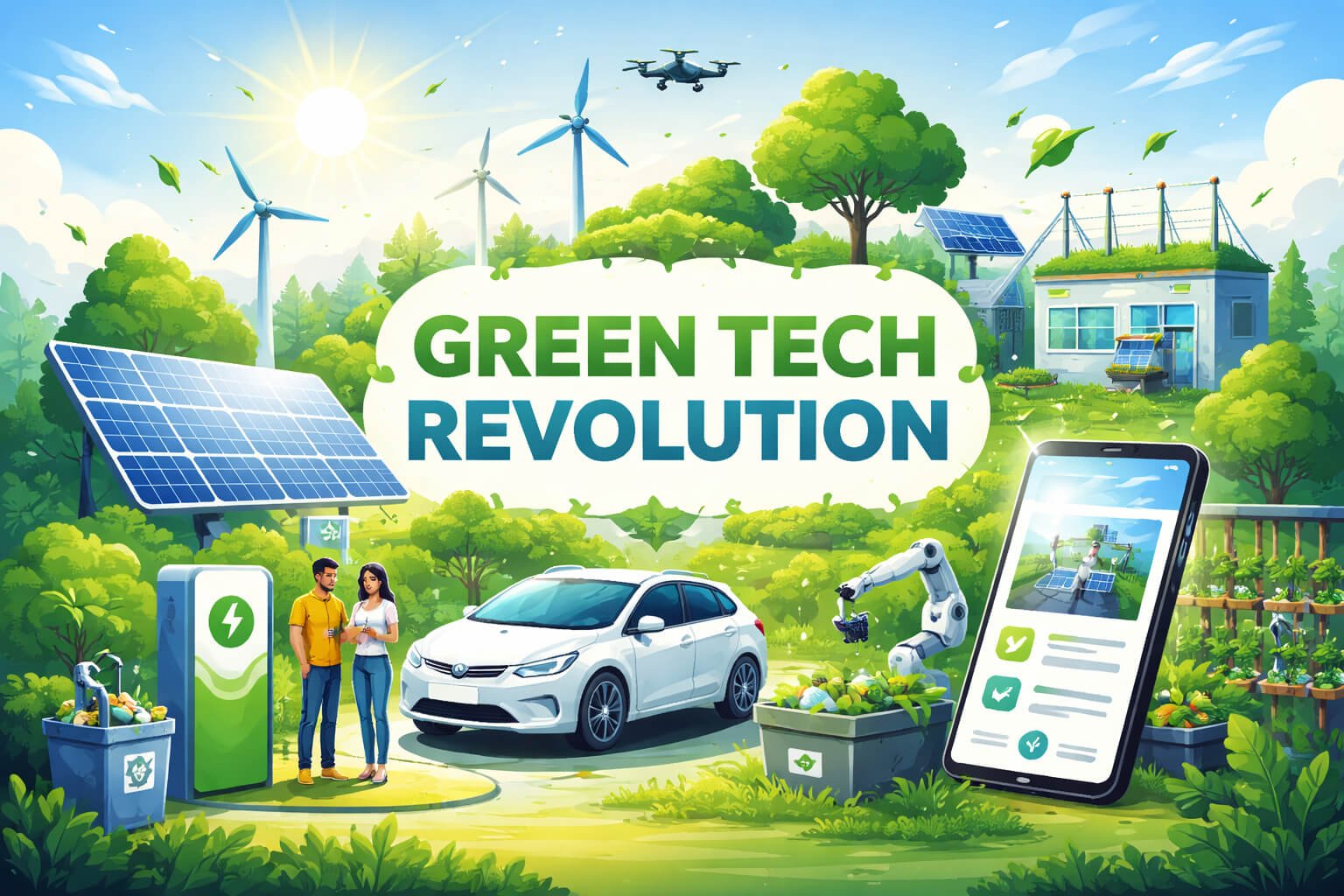
The world is changing faster than ever. Climate change, pollution, and rising energy demands are forcing us to rethink how we live and work. But there’s good news—technology is stepping in as a powerful solution. This shift is known as the Green Tech Revolution, where innovation meets sustainability to create a better future for our planet.
Green technology, also called clean technology, focuses on reducing environmental harm while improving efficiency. From solar panels to electric vehicles, these innovations are not just trends—they are transforming industries, economies, and everyday life.
In this blog, we’ll explore how sustainable technology is shaping the future and why it matters more than ever in 2026 and beyond.
What Is Green Technology?
Green technology refers to tools, systems, and practices designed to minimize environmental impact. It aims to:
- Reduce carbon emissions
- Conserve natural resources
- Promote renewable energy
- Improve energy efficiency
Simply put, it’s about using technology in a way that helps the planet instead of harming it.
Why Green Tech Is More Important Than Ever
The urgency for sustainable solutions has grown due to several global challenges:
1. Climate Change
Rising global temperatures, extreme weather events, and melting ice caps are clear signs that immediate action is needed.
2. Resource Depletion
Fossil fuels like coal and oil are limited. Green tech promotes renewable alternatives like solar and wind energy.
3. Pollution Crisis
Air, water, and soil pollution are affecting human health and ecosystems. Sustainable technologies help reduce waste and emissions.
4. Government Policies
Countries around the world are setting stricter environmental regulations, encouraging businesses to adopt greener practices.
Key Areas Driving the Green Tech Revolution
1. Renewable Energy
One of the biggest drivers of green tech is the shift toward renewable energy sources such as:
- Solar Power: Rooftop solar panels are becoming common in homes and businesses.
- Wind Energy: Wind turbines generate clean electricity without pollution.
- Hydropower: Uses flowing water to produce energy efficiently.
These sources are not only sustainable but also becoming more affordable over time.
2. Electric Vehicles (EVs)
The transportation sector is undergoing a major transformation. Electric vehicles are replacing traditional fuel-based cars.
Benefits of EVs:
- Zero emissions
- Lower fuel costs
- Reduced noise pollution
With improved battery technology and charging infrastructure, EV adoption is growing rapidly worldwide.
3. Smart Cities and IoT
Smart cities use Internet of Things (IoT) technology to improve urban living while reducing environmental impact.
Examples include:
- Smart traffic systems that reduce fuel consumption
- Energy-efficient buildings with automated lighting
- Waste management systems that optimize collection routes
These innovations make cities cleaner, smarter, and more sustainable.
4. Sustainable Agriculture
Agriculture is also being transformed by green technology.
Modern solutions include:
- Precision farming using sensors and data
- Vertical farming in urban areas
- Drones for monitoring crops
These methods reduce water usage, minimize chemical fertilizers, and increase crop yields.
5. Green Building Technology
Buildings consume a large amount of energy. Green construction focuses on:
- Energy-efficient designs
- Use of recycled materials
- Smart heating and cooling systems
Green buildings not only reduce environmental impact but also lower long-term costs.
6. Waste Management and Recycling
Technology is improving how we handle waste.
Innovations include:
- AI-powered recycling systems
- Waste-to-energy plants
- Biodegradable materials
These solutions help reduce landfill waste and promote a circular economy.
The Role of Artificial Intelligence in Green Tech
Artificial Intelligence (AI) is playing a crucial role in accelerating sustainability efforts.
AI helps in:
- Predicting energy demand
- Optimizing power grids
- Reducing industrial waste
- Monitoring environmental changes
For example, AI can analyze weather patterns to improve solar and wind energy efficiency.
Benefits of the Green Tech Revolution
1. Environmental Protection
Green tech reduces pollution and helps combat climate change.
2. Economic Growth
New industries and job opportunities are emerging in renewable energy and sustainable solutions.
3. Cost Savings
Energy-efficient technologies reduce electricity bills and operational costs.
4. Improved Quality of Life
Cleaner air, better water quality, and healthier environments benefit everyone.
Challenges in Adopting Green Technology
While the future looks promising, there are still some challenges:
1. High Initial Costs
Some green technologies require significant upfront investment.
2. Lack of Awareness
Many people and businesses are still unaware of sustainable options.
3. Infrastructure Limitations
For example, EV charging stations are still limited in many regions.
4. Technological Barriers
Some innovations are still in early stages and need further development.
Future Trends in Green Technology
The future of green tech is exciting and full of possibilities:
1. Advanced Battery Storage
Better batteries will make renewable energy more reliable.
2. Carbon Capture Technology
Systems that capture and store carbon emissions will help reduce pollution.
3. Hydrogen Energy
Hydrogen fuel could become a major clean energy source.
4. Eco-Friendly Materials
Biodegradable plastics and sustainable alternatives will replace harmful materials.
5. Circular Economy
More companies will focus on reusing and recycling resources instead of wasting them.
How Individuals Can Contribute
You don’t have to be a scientist or engineer to support the green tech revolution. Small actions can make a big difference:
- Use energy-efficient appliances
- Switch to LED lighting
- Reduce plastic usage
- Support eco-friendly brands
- Consider electric or hybrid vehicles
- Install solar panels if possible
Every small step adds up to a larger impact.
Conclusion
The Green Tech Revolution is not just a trend—it’s a necessity. As the world faces environmental challenges, sustainable technology offers hope and practical solutions.
From renewable energy to smart cities, green innovations are transforming how we live, work, and interact with the planet. While challenges remain, continuous advancements and growing awareness are driving us toward a cleaner, greener future.
The question is no longer if we should adopt green technology—it’s how fast we can make it a part of our everyday lives.
FAQs
1. What is green technology?
Green technology refers to eco-friendly innovations designed to reduce environmental damage. It focuses on using renewable energy, conserving resources, and minimizing pollution.
2. Why is sustainable technology important in 2026?
Sustainable technology is important because it helps fight climate change, reduces pollution, and ensures that natural resources are available for future generations.
3. What are some examples of green technology?
Common examples include solar panels, wind turbines, electric vehicles, smart home systems, and energy-efficient appliances.
4. How do electric vehicles help the environment?
Electric vehicles produce zero emissions, reduce air pollution, and decrease dependence on fossil fuels, making transportation more sustainable.
5. What are the main challenges of adopting green technology?
Some challenges include high initial costs, lack of infrastructure (like EV charging stations), and limited awareness among people and businesses.
6. How can individuals support the green tech revolution?
Individuals can contribute by saving energy, using eco-friendly products, reducing waste, switching to renewable energy, and supporting sustainable brands.
