

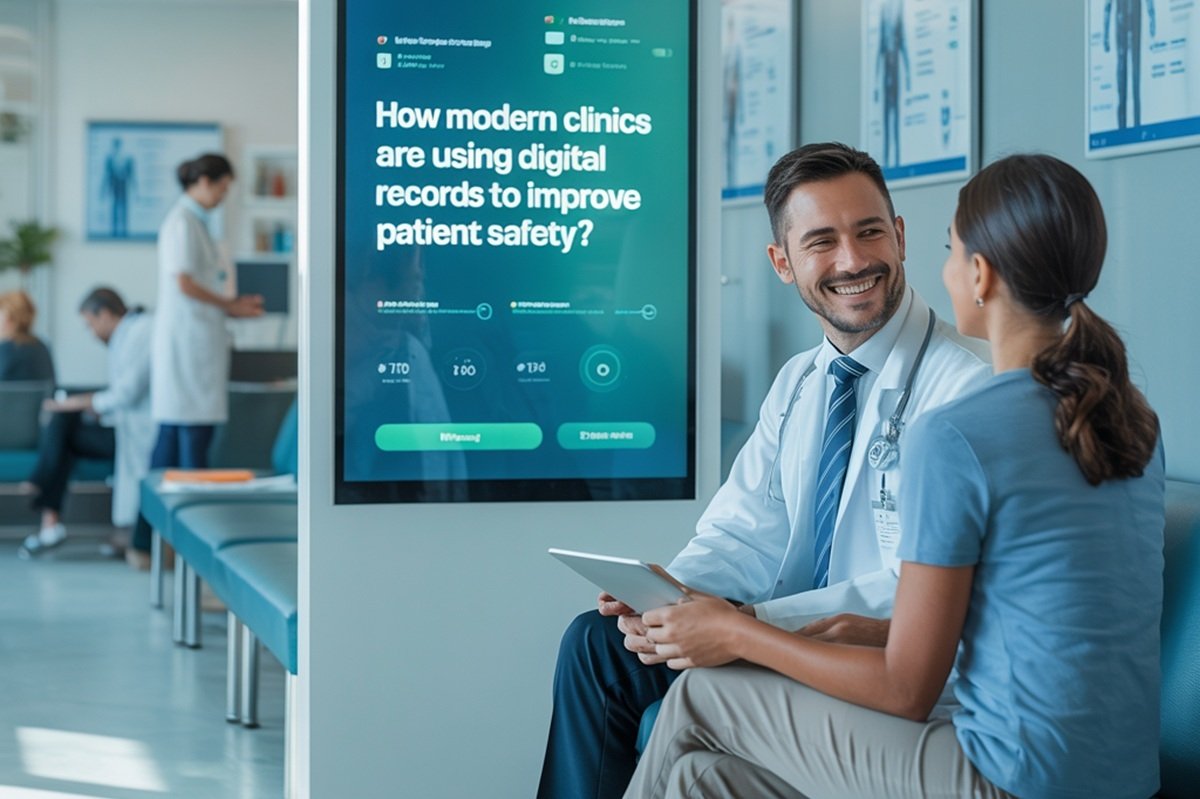
The healthcare industry has undergone a massive digital transformation, especially after the pandemic. In 2025, digital medical records have become a core part of how modern clinics operate. These systems not only simplify workflows but also play a major role in ensuring digital medical records patient safety, reducing medical errors, improving access to data, and enhancing treatment outcomes.
From small neighborhood clinics to multi-specialty hospitals, electronic health records (EHRs) are now essential tools for delivering fast, accurate, and dependable care.
Why Digital Medical Records Matter for Patient Safety?
Paper-based records were traditionally used in Indian clinics. However, they came with risks such as misplacement, illegible handwriting, delayed access, and information gaps.
Digital records eliminate these issues and provide a reliable, secure, and standardized method of storing patient data.
Key benefits include:
- Accurate documentation
- Faster access to patient history
- Reduced risk of duplication
- Better communication between departments
In an era where patient safety is a top priority, digital systems play a critical role in delivering high-quality healthcare.
How Digital Records Improve Patient Safety?
1. Reduction in Medical Errors
One of the biggest benefits of digital medical records is reducing errors caused by:
- Handwritten prescriptions
- Miscommunication
- Missing information
EHRs ensure doctors have complete and clear data — lab reports, past treatments, allergies, imaging history, and more. This significantly reduces chances of incorrect medication dosage or misdiagnosis.
2. Faster Diagnosis and Treatment
When medical records are digital, doctors can instantly access a patient’s history with just a few clicks.
This helps in:
- Quicker clinical decisions
- Faster emergency response
- Accurate treatment plans
In critical cases like cardiac arrest, stroke, or severe infection, time saved can mean lives saved.
3. Better Coordination Among Healthcare Teams
Digital systems allow seamless sharing of patient data across:
- Doctors
- Nurses
- Laboratory teams
- Radiology departments
- Pharmacy units
This coordination ensures there are no conflicts in prescriptions, no delays in reporting, and no communication gaps.
4. Improved Tracking of Allergies and Drug Interactions
Digital systems automatically flag:
- Known allergies
- Medication conflicts
- Past adverse reactions
This reduces the risk of harmful drug interactions and enhances patient safety.
5. Enhanced Security and Privacy
Modern clinics use encryption and role-based access to protect patient data.
Unlike paper files that can be misplaced, digital health records offer:
- Secure storage
- Controlled access
- Backup options
- Audit trails
This ensures patient safety as well as data privacy.
6. Clear and Accurate Documentation
Digital records ensure all medical notes, prescriptions, reports, and treatment plans are clearly documented.
This minimizes misinterpretation and gives every healthcare professional access to accurate information.
7. Monitoring Chronic Conditions
Patients with diabetes, hypertension, heart disease, cancer, and kidney issues require frequent monitoring.
Digital systems help clinics track:
- Lab test trends
- Medication progress
- Appointment schedules
- Treatment outcomes
This consistent monitoring ensures timely intervention and prevents complications.
8. Telemedicine Integration
Many clinics now use integrated telemedicine features within their digital record systems.
This allows doctors to:
- Access records during virtual consultations
- Share digital prescriptions
- Upload diagnostic results
- Monitor vitals through connected devices
Telemedicine supported by digital records enhances continuity of care and overall safety.
Impact on Small and Mid-Sized Clinics
Initially, digital adoption was seen mainly in large hospitals. But in 2025, even small clinics are switching to digital records because of:
- Affordable software
- Government encouragement
- Awareness about patient safety
- Need for efficiency
Patients also prefer clinics where their records are easily accessible and well-maintained.
Challenges in Adoption
While digital systems have clear benefits, some clinics face challenges such as:
- Cost of setup
- Need for staff training
- Internet connectivity issues in rural areas
However, long-term savings and improved care outweigh these barriers.
Future of Digital Medical Records in India
The next wave of digital healthcare includes:
- AI-powered clinical insights
- Smart dashboards for monitoring
- Mobile-based record access
- Automated diagnosis support
- National Digital Health Mission integration
These advancements will further strengthen digital medical records patient safety and enhance healthcare outcomes.
Conclusion
Digital medical records are transforming how modern clinics function in 2025. They offer safer, faster, and more accurate healthcare by reducing errors, improving communication, and enabling better clinical decisions. As more clinics embrace digital systems, patient safety will continue to improve across India, making healthcare more efficient and trustworthy.
