

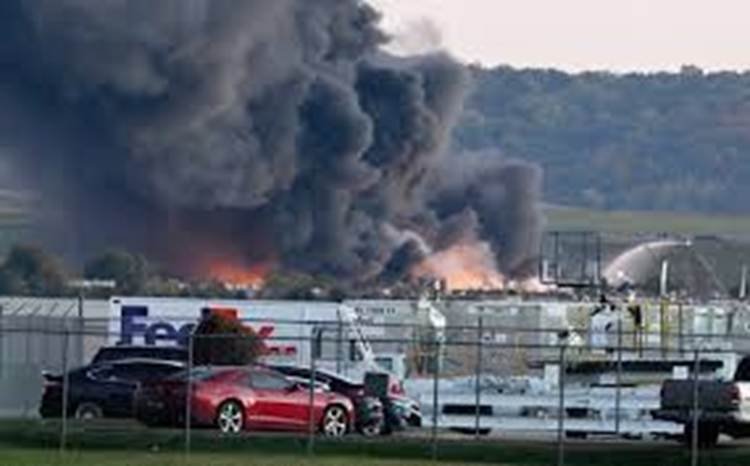
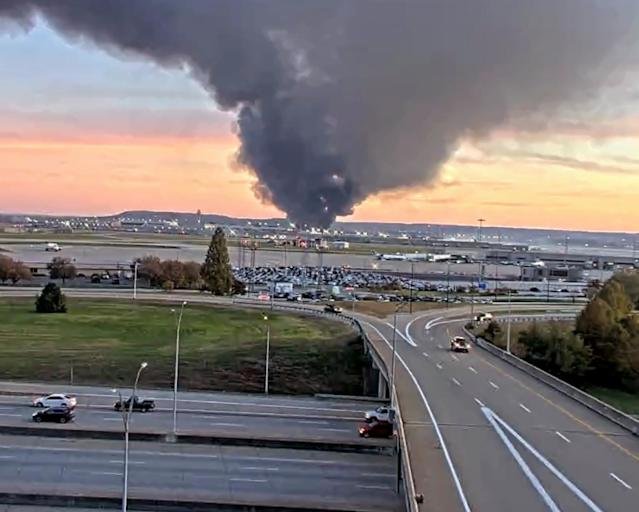
The aviation world just suffered a gut punch. On the evening of November 4, 2025, a UPS Airlines cargo plane went down right after takeoff from Louisville’s Muhammad Ali International Airport. This crash didn’t just cost lives—it sent shockwaves through the entire air cargo industry, raising tough questions about aircraft safety, aging fleets, and what happens when things go wrong near major airports.
What Happened
It was about 5:15 p.m. when UPS Flight 2976 took off, heading for Honolulu. Early reports and bystander video show the McDonnell Douglas MD-11F lifting off from runway 17R, but it barely got airborne. Suddenly, the left engine ripped away from the wing. Fire burst out. The plane never climbed more than 50 or 60 meters before it dropped, slamming into an industrial area just off airport grounds.
The impact was brutal—a huge explosion, flames shooting up, debris scattered over half a mile. Buildings nearby got hit. Chaos, plain and simple.
The Human Cost
At least 12 people are dead, including all three crew in the cockpit and several people on the ground. One of them was just a child. Over 15 others landed in the hospital, some fighting for their lives. And honestly, the numbers might still go up as rescuers work through the ruins. Louisville’s mayor, Craig Greenberg, called the aftermath “scenes that are not going to escape us when we close our eyes tonight.” He’s right. It’s hard to shake off.
Why This Matters?
Cargo Safety & Aging Fleet
Let’s face it: using older cargo planes in tough conditions comes with risks. The MD-11F has been around for a while. While it’s done the job, its safety record is mixed—especially for cargo operations. Now, people are digging into the aircraft’s maintenance, aging components, and whether fatigue played a part in this disaster.
Engine Separation & Structural Failure
Losing an engine during takeoff is just about the worst thing that can happen in the cockpit. These big planes are supposed to handle one engine going out, but add fire, structural damage, barely any altitude, and there’s just no time to save it. One expert summed it up: “The plane is designed to fly if you lose one engine, but we need to see the effect of losing that engine on the rest of the aircraft.”
Industrial Zoning Near Airports
Another problem? The plane crashed smack into an industrial area. The fire jumped to nearby buildings—including a petroleum recycling center and an auto-parts yard—making everything more dangerous and slowing down rescue crews.
What We Know So Far?
- Investigators already have the plane’s “black boxes”—the flight data recorder and cockpit voice recorder. They look intact.
- The main focus right now is the left engine and wing. Investigators want to know how the engine tore off, why the fire started, and what led to the loss of control.
- The plane carried about 38,000 gallons of fuel, loaded up for the long flight to Hawaii. That’s what fed the massive fire after the crash.
- The runway where it happened will stay closed for around ten days while crews clean up and sift through the wreck. Other runways at the airport are back in action.
Who’s Feeling the Impact?
- UPS and other cargo airlines will face tough questions about keeping old planes in the air, how they handle maintenance, and whether they’re pushing their fleets too hard.
- For regulators, there’s pressure to re-examine how they certify older cargo aircraft, especially where industry butts right up against airports.
- Local communities and businesses are rethinking their emergency plans, fire suppression, and whether it makes sense to have high-risk industry so close to runways.
- And for the public? There weren’t passengers on this flight, but the crash still caused flight delays, stopped UPS’s main sorting hub in its tracks, and reminded people that cargo planes carry real risks, too.
What Happens Next?
In the coming days and weeks, investigators will dig into everything—maintenance records, the aircraft’s history, engine data, the black boxes, and what the crash site can tell them. Usually, the NTSB puts out a preliminary report within a month. People want answers, and fast.