

Close Menu

    Subscribe to Updates

    Get the latest news information from worldwide businesses.

    What's Hot

    Tesla raises Cybertruck prices by $5,000 despite abysmal demand

    August 25, 2026

    In Japan’s Niigata Prefecture, the Ancient Culinary Tradition of Fermentation Is Very Much Alive

    August 25, 2026

    Nutritionist Shares Her Nani’s Tips; Expert Weighs In

    August 25, 2026
    Facebook Instagram YouTube LinkedIn X (Twitter)
    Trending
    • Tesla raises Cybertruck prices by $5,000 despite abysmal demand
    • In Japan’s Niigata Prefecture, the Ancient Culinary Tradition of Fermentation Is Very Much Alive
    • Nutritionist Shares Her Nani’s Tips; Expert Weighs In
    • Shingles vaccine linked to 24% lower dementia risk
    • H1N1 accounts for 98% of Influenza A cases in India: ICMR chief
    • Centre Restricts Certain Cough & Cold Medicines for Children Under 4
    • Where to preorder the updated Mac Mini and Mac Studio
    • Uber launches live video streaming for teen accounts
    Newspublicly
    • About Us
    • Advertise & Partner with us
    • Pitch Your Story
    • Contact Us
    Facebook Instagram LinkedIn X (Twitter)
    Subscribe
    • Home
    • World News
      • Asia
      • India
      • USA
      • UK & Europe
      • Middle East
    • Economy & Business
      • Global Economy
      • Corporate & Industry
      • Finance & Markets
      • Policy & Trade
    • Technology
      • Gadgets & Devices
      • Software & Apps
      • AI & Machine Learning
      • Robotics & Automation
    • Health & Medicine
      • Fitness & Nutrition
      • Research & Innovation
      • Disease & Treatment
      • Doctors, Clinics & Patient Care
    • Travel & Tourism
    • Automobile
      • Electric & Hybrid Vehicles
      • Auto Industry Insights
    • Sports
    • More
      • Education
      • Real Estate
      • Environment & Climate
      • Space & Astronomy
      • War & Conflicts
    Newspublicly
    Home»Health & Medicine»Research & Innovation»Bird flu is spreading. Your backyard feeder could make it worse
    Research & Innovation

    Bird flu is spreading. Your backyard feeder could make it worse

    AdminBy AdminAugust 25, 2026No Comments4 Mins Read0 Views
    Share
    Facebook Twitter LinkedIn Copy Link WhatsApp


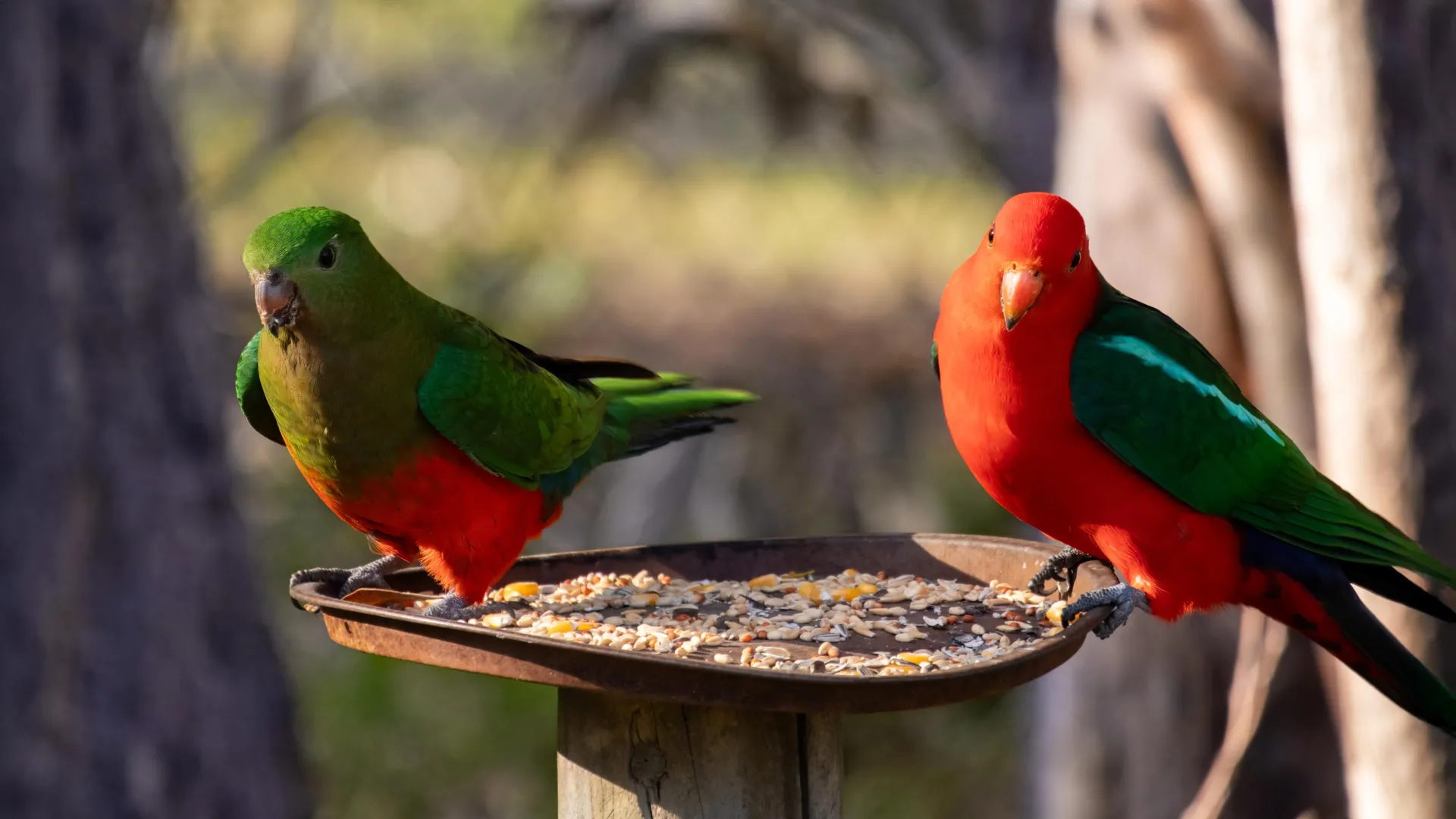
    Backyard bird feeding is one of our country’s most popular pastimes. Research reveals about half of Australian households feed wild birds, with many people doing so daily.

    However, this practice could act as a superspreader event – where a disease infects an unusually high number of people or animals – of the H5N1 virus. This deadly strain of bird flu has already decimated wild bird and mammal populations worldwide. It is now spreading across Australia, most recently killing more than 1,000 crested terns and a long-nosed fur seal, the first detection in a mainland mammal.

    Although many Australians feed wild birds, the practice is controversial. This is mainly due to concerns about people offering unsuitable foods and birds becoming dependent on humans.

    So why is backyard bird feeding such a problem when it comes to bird flu? And can we do it safely?

    Not just a hobby

    People feed wild birds for various reasons, including to provide food during tough times or simply enjoy their presence. Most care deeply about their avian companions and believe feeding them is helpful.

    However, they may not realize the danger this creates for the birds they love.

    Feeding wild birds heightens the risk of disease transmission at feeding locations. When we offer supplementary food, such as seeds or meat scraps, this attracts birds of many different species in a combination and number that would not happen in nature. They may carry deadly diseases, such as the H5N1 virus, and potentially spread them to other birds.

    This can create a transmission hotspot right on our back deck. And catching bird flu can push our most threatened species, such as the orange-bellied parrot, to the brink of extinction.

    The fatal effects of H5N1 are not only contained to birds. Scavenger animals such as possums, red foxes and crows can be exposed to the virus while devouring the carcasses of infected birds. Humans in close contact with infected wildlife, such as wildlife carers and veterinarians, can contract H5N1. However, human infection is rare and typically only causes mild symptoms.

    Stopping the spread

    Backyard bird feeding may seem like a harmless hobby. But given how many people do it, and the risks it poses to both birds and people, bird feeding activities could lead to many more wildlife deaths.

    So if you feed birds in your backyard, how can you do so safely?

    The most effective strategy is to stop feeding birds altogether. If you don’t offer food to wild birds, they will be less likely to congregate in your backyard or garden. And they will be fine without your help. Our previous research found most birds that visit feeders obtain most of their nutrition from natural sources, such as insects and worms. So the food we provide is a snack, not an essential meal.

    But if you do continue feeding wild birds, here are three precautions to take:

    Offer less food

    Having feeders full of seeds and leftover meat will attract more birds. So to discourage them from congregating, simply provide less food. Much like COVID-era social distancing rules, this will lower the risk of H5N1 transmission by keeping birds separate.

    Avoid hand-feeding

    Having a bird swoop down to snatch food from your hand is one of the most intimate interactions we can have with wildlife. But in the era of bird flu, this must stop. While humans are unlikely to contract H5N1, close physical contact with birds through hand-feeding is simply not worth the risk.

    Keep everything clean

    If you keep feeding wild birds, it’s vital to regularly clean all feeding surfaces and equipment using domestic bleach. If you’re not prepared to do this, you shouldn’t be feeding them at all.

    Backyard bird feeding could worsen Australia’s current H5N1 crisis. Indeed, your avian visitors may complain if you give them fewer tasty treats or stop feeding them altogether. But these measures will protect both you and them from this deadly disease.


    Please do not touch sick or dead birds or marine mammals. Record the location, take photographs from a safe distance, keep pets away and report the sighting to the Emergency Animal Disease Hotline on 1800 675 888 (Australia).The Conversation


    Source link

    Author

    • Admin

      NewsPublicly.com is News & Articles Platform that creating SEO-focused articles on travel, lifestyle, and digital trends.

    Admin
    • Website

    NewsPublicly.com is News & Articles Platform that creating SEO-focused articles on travel, lifestyle, and digital trends.

    Related Posts

    Shingles vaccine linked to 24% lower dementia risk

    August 25, 2026

    Common medications may change your gut for years

    August 25, 2026

    Exercise may help the aging brain “take out the trash”

    August 13, 2026
    Leave A Reply Cancel Reply

    Demo
    Top Posts

    The Blue Moon rises on May 30— Where and when to see the second full moon of the month

    May 30, 202640 Views

    New SOCOM rifle allows barrel swapping and cartridge changes

    June 1, 202633 Views

    “Inside Gemini Robotics 1.5: How Robots Learn to Reason & Act

    November 22, 202527 Views

    Indian economy shows recovery despite global uncertainties, private investment gains momentum: Report

    July 29, 202625 Views
    Don't Miss

    Tesla raises Cybertruck prices by $5,000 despite abysmal demand

    August 25, 20264 Mins Read0 Views

    Tesla raised the price of the Cybertruck by $5,000 on Monday night, quietly updating its…

    In Japan’s Niigata Prefecture, the Ancient Culinary Tradition of Fermentation Is Very Much Alive

    August 25, 2026

    Nutritionist Shares Her Nani’s Tips; Expert Weighs In

    August 25, 2026

    Shingles vaccine linked to 24% lower dementia risk

    August 25, 2026
    Stay In Touch
    • Facebook
    • Twitter
    • Instagram
    • YouTube
    • LinkedIn
    • WhatsApp

    Subscribe to Updates

    Get the latest creative news from SmartMag about art & design.

    Demo
    NEWSPUBLICLY
    Facebook X (Twitter) Instagram LinkedIn

    Home

    • About Us
    • Leadership
    • Advertise & Partner With Us
    • Pitch Your Story
    • Media Kit & Pricing
    • Career
    • FAQs

    Guidelines

    • Editorial & Submission
    • Partnership
    • Advertising & Sponsor
    • Intellectual Property Policy
    • Community & Comment
    • Security & Data Protection
    • Send Your Opinion

    Quick Links

    • Cookie Policy
    • Payment & Billing Terms
    • Refund & Cancellation
    • Copyright Policy
    • Complaint & Support
    • Sitemap
    • Contact Us

    Subscribe Us

    Get the latest news and updates!

    Copyright © 2026 Newspublicly (DIGITALIX COMMUNICATION). All Rights Reserved.
    • Privacy Policy
    • Terms of Use
    • Disclaimer