

2 min readNew DelhiAug 14, 2026 04:18 AM IST
When Professor Sumit Sarkar began a lecture at Delhi University, the room would be packed and, one former student recalls, there would be “pin drop silence”. He spoke softly, calmly and without theatricality, but students were so absorbed that they would lose track of time.
“He was very musical in his lectures while dealing with academic subjects,” recalls Professor Vikas Gupta, a Delhi University historian who was taught by Sarkar in the early 2000s.

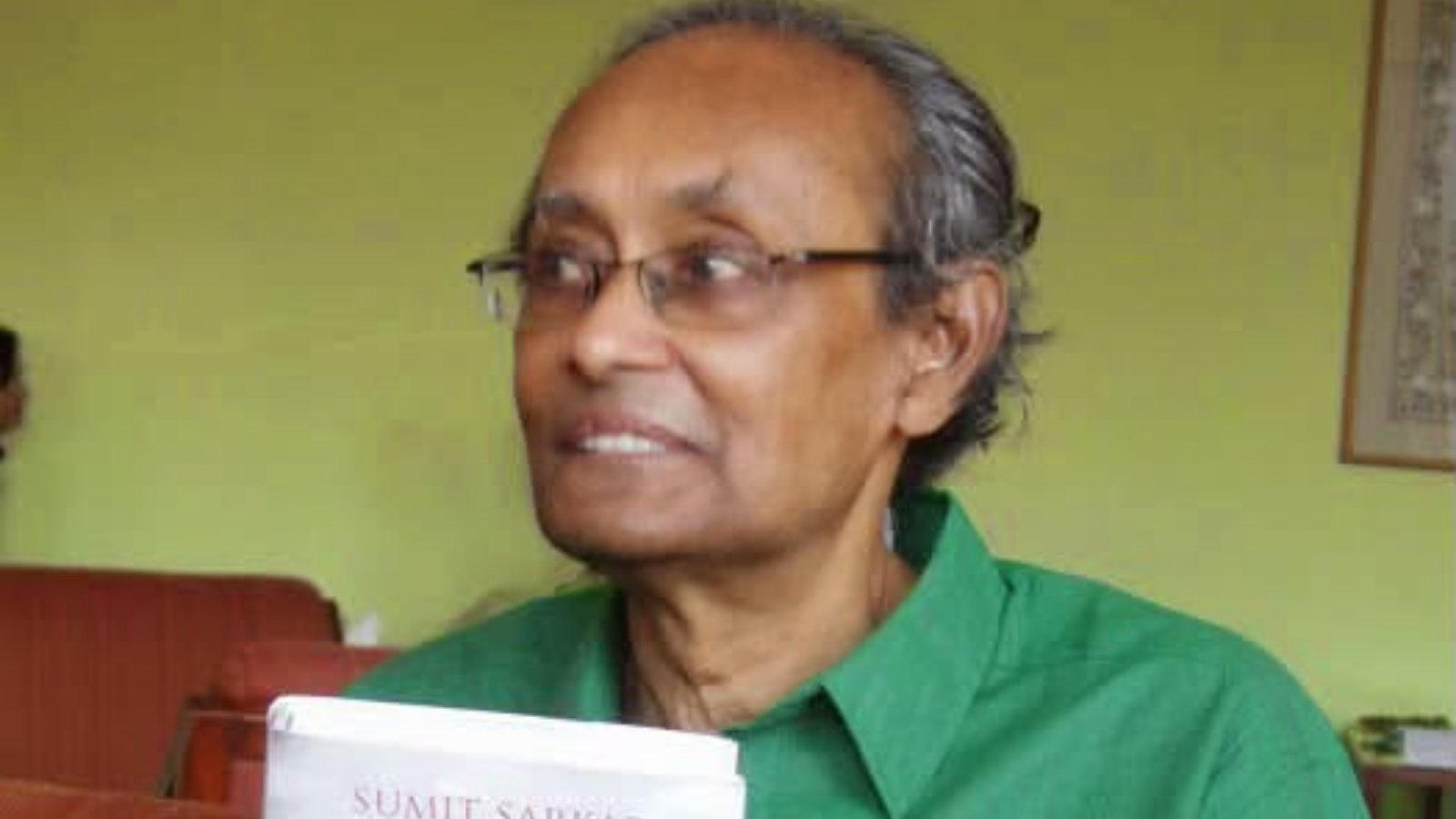
Sarkar, one of the foremost historians of modern India, died on Thursday at 87 after being unwell for years. He taught at Delhi University from 1974 to 2004 and influenced generations of students.
Born in 1939, Sarkar grew up in a family steeped in history. His father, Sushobhan Chandra Sarkar, was a renowned historian. An alumnus of Presidency College, Sarkar earned his master’s and PhD from the University of Calcutta, where he later taught. He also taught at the University of Burdwan and Oxford.
His name is closely linked with the historiography of the Swadeshi movement in Bengal. His book The Swadeshi Movement in Bengal is regarded as a foundational work. Beyond that, Writing Social History and Modern India are especially admired by students and enthusiasts of history. But former students say reducing Sarkar to a Marxist historian would miss a quality of his intellectual life: his refusal to remain confined to a single historiographical framework.
“He was not somebody who anybody can really put into any confines,” said Naresh Kumar, associate professor of history at Delhi University’s Kamala Nehru College, who was taught by Sarkar in the late 1990s.
Sarkar remained committed to Marxism but transformed it through his own questions. One idea closely associated with him was “pressure from below”, an approach that examined the freedom struggle through the actions and demands of ordinary people, including women, tribals, Dalits and workers.
Story continues below this ad
For Kumar, Sarkar was a rare combination of scholar and teacher. “I didn’t write even a single word in his class,” he said, comparing Sarkar’s lectures to an “alaap” in a raga.
(With inputs from Atri Mitra in Kolkata)