

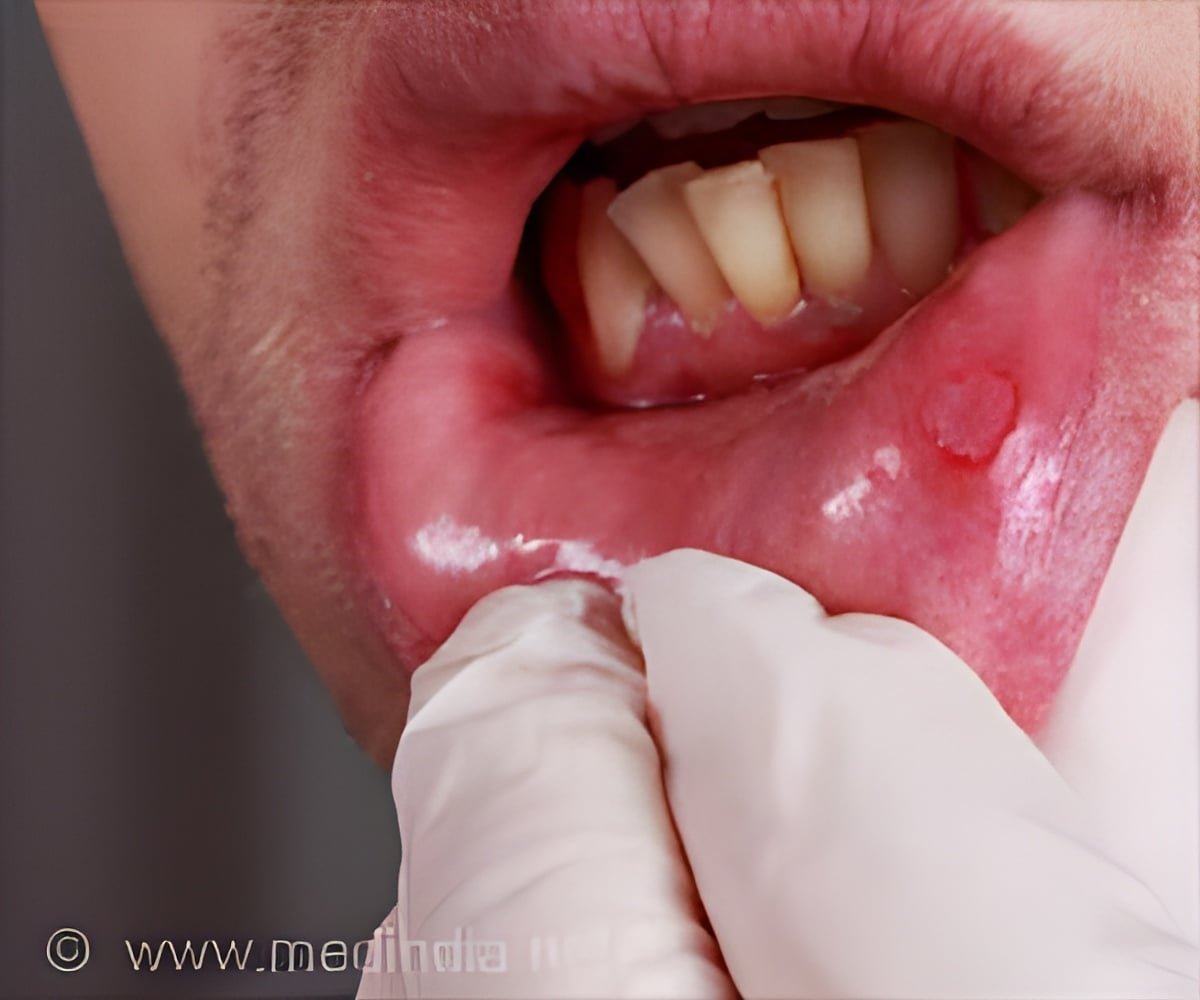
Poor oral hygiene may do more than damage teeth and gums. Chronic irritation, gum disease and oral microbiome imbalance may be linked to a higher risk of oral and head-and-neck cancers.
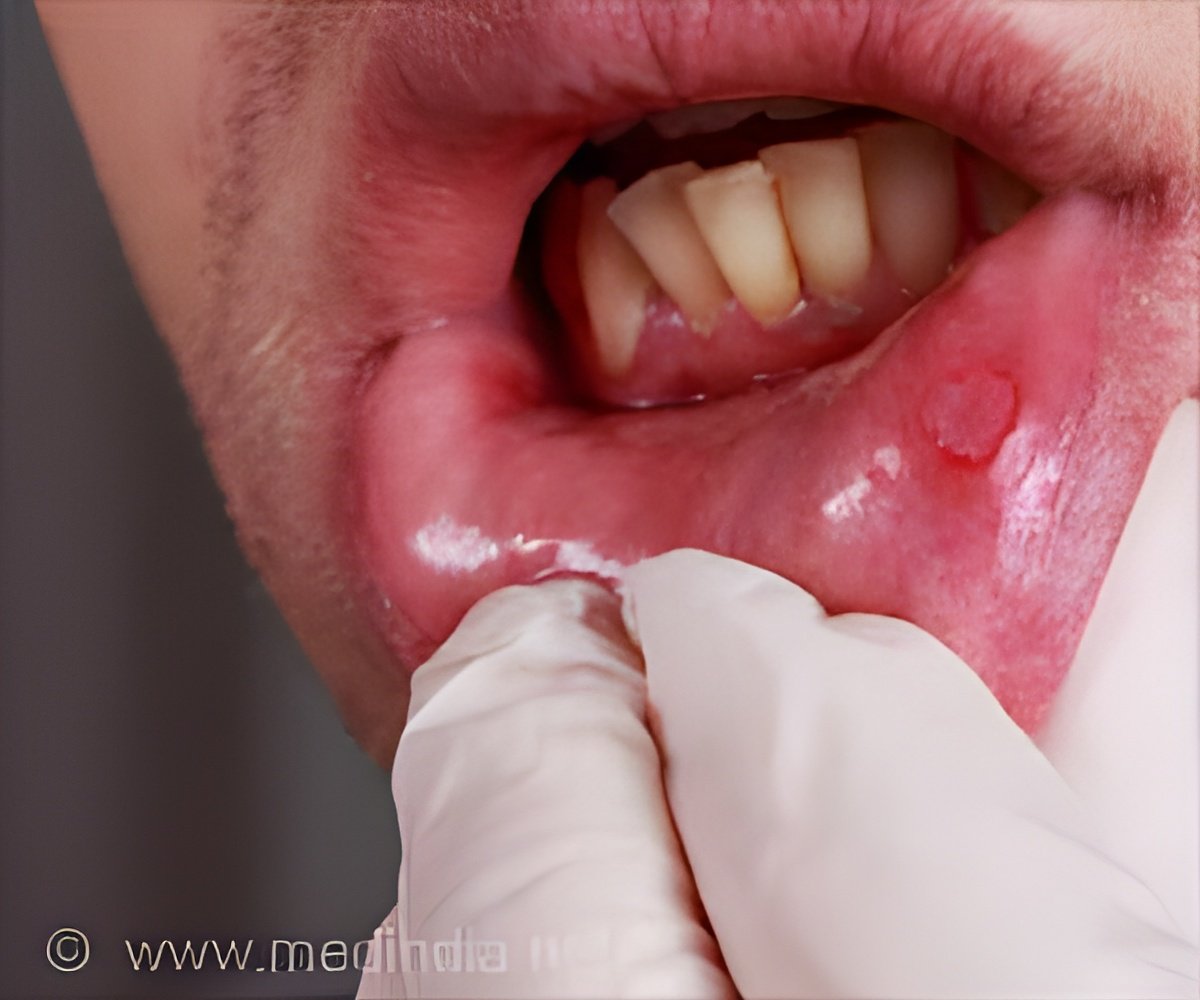
- Poor oral hygiene may be linked to a higher risk of oral and oropharyngeal cancers
- Sharp teeth, broken fillings and ill-fitting dentures can cause repeated irritation and persistent ulcers
- A healthy mouth, regular dental checks and early evaluation of non-healing lesions can help protect oral health
Brushing your teeth may seem like a simple way to prevent cavities and bad breath. But your mouth may be telling you much more about your health (1✔ ✔Trusted Source
Periodontitis and Oral and Oropharyngeal Cancer Risk: A Systematic Review and Meta-Analysis with Exploratory Evidence on Tumor-Associated Porphyromonas gingivalis
).
Poor oral hygiene, gum disease, chronic irritation and changes in the oral microbiome have increasingly been linked with oral and head-and-neck cancer risk. The important point, however, is that poor dental hygiene should not be considered a direct or proven cause of cancer. Instead, it may contribute to an environment in which chronic inflammation, tissue injury and microbial imbalance persist.
A recent article published in The Week highlights these possible pathways, while larger epidemiological research has also reported modestly lower head-and-neck cancer risk among people with better oral-hygiene indicators such as daily tooth brushing and regular dental visits.
Advertisement
Can Gum Disease and Poor Oral Hygiene Affect Cancer Risk?
They may. But the relationship is more complicated than simply saying “dirty teeth cause cancer.”
The mouth contains hundreds of microorganisms that normally live in balance. Poor oral hygiene can encourage plaque accumulation and gum inflammation, potentially disrupting this microbial ecosystem (2✔ ✔Trusted Source
The role of oral hygiene in head and neck cancer: results from International Head and Neck Cancer Epidemiology (INHANCE) consortium
This condition, known as oral dysbiosis, may allow potentially harmful bacteria to become more dominant.
Research has investigated bacteria including Porphyromonas gingivalis and Fusobacterium nucleatum because of their association with periodontal disease and their potential role in inflammatory and cancer-related pathways.
Advertisement
What may happen inside the mouth?
| Oral Problem | Possible Consequence |
|---|---|
| Gum disease | Persistent inflammation |
| Poor oral hygiene | Microbial imbalance |
| Sharp or broken teeth | Repeated tissue injury |
| Ill-fitting dentures | Chronic irritation |
| Non-healing ulcers | Need for professional evaluation |
These factors do not mean cancer will develop, but persistent inflammation and tissue damage deserve attention.
Advertisement
How Can a Sharp Tooth or Denture Become a Problem?
This is one of the most overlooked aspects of oral health. A sharp tooth, broken tooth, rough dental restoration, or poorly fitting denture can repeatedly rub against the tongue or cheek. The result may be a recurring ulcer or sore.
Normally, the body repairs injured tissue. But if the same area is repeatedly injured for months or years, the healing process keeps getting activated. The source article describes this as a chronic irritation pathway, in which persistent inflammation may contribute to abnormal cellular changes.
This is why a persistent traumatic ulcer should not simply be ignored.
A mouth ulcer that repeatedly occurs in the same place deserves a dental examination, especially if the source of irritation is obvious.
Could Oral Bacteria Influence Cancer Development?
Scientists are increasingly interested in the oral microbiome, the community of microorganisms living inside the mouth.
When this ecosystem becomes disturbed, harmful bacteria may become more abundant. The source article notes that some bacteria associated with gum disease may contribute to inflammatory processes and cellular damage (3✔ ✔Trusted Source
Oral hygiene and cancer risk: emerging evidence and public health perspectives
Researchers are also investigating whether microbial changes could eventually help identify people at higher risk.
Techniques such as 16S rRNA sequencing and salivary metagenomic analysis are being explored to identify microbial signatures associated with potentially malignant oral conditions. However, these technologies are currently better viewed as emerging research tools, not replacements for a clinical examination or biopsy.
Is Poor Oral Hygiene the Main Cause of Oral Cancer?
No. This distinction is extremely important.
Tobacco and alcohol remain major established risk factors for oral and head-and-neck cancers. In India, tobacco exposure, including smokeless tobacco products, is particularly important.
Other factors, including certain HPV infections, also contribute to some head-and-neck cancers. Therefore, brushing twice a day cannot cancel out the cancer risk from tobacco or other major risk factors.
Good oral hygiene should be viewed as one part of a broader prevention strategy.
What Can You Do to Protect Your Mouth?
The good news is that several protective habits are simple. Make these part of your routine:
- Brush your teeth regularly with fluoride toothpaste.
- Clean between your teeth using floss or another appropriate interdental method.
- Get regular dental examinations.
- Treat gum disease instead of allowing it to persist.
- Have sharp or broken teeth repaired.
- Get poorly fitting dentures adjusted.
- Do not ignore a recurring or non-healing mouth ulcer.
- Avoid tobacco in every form.
- Limit alcohol consumption.
- Maintain a balanced diet rich in fruits, vegetables and other nutrient-dense foods.
Regular dental visits and daily tooth brushing have been associated with lower head-and-neck cancer risk in large epidemiological research, although these studies cannot prove that brushing itself prevents cancer.
Which Mouth Changes Should You Never Ignore?
Even people with excellent oral hygiene can develop oral cancer. See a dentist, oral medicine specialist or doctor if you notice:
| Warning Sign | Why It Matters |
|---|---|
| Ulcer lasting more than 2–3 weeks | Needs professional assessment |
| Persistent white patch | May require evaluation |
| Persistent red patch | Should not be ignored |
| Unexplained lump or thickening | Needs examination |
| Recurrent bleeding | May indicate gum or other disease |
| Persistent pain | Requires evaluation |
| Difficulty chewing or swallowing | Needs assessment |
| Unexplained loosening of a tooth | Should be checked |
The source specifically recommends evaluation of ulcers, white patches or red patches that persist for more than two to three weeks.
The Bottom Line
Good oral hygiene is not a guarantee against cancer, but neglecting your mouth is not harmless either.
Persistent gum inflammation, microbial imbalance and repeated mechanical irritation may create conditions associated with oral cancer risk, while established research suggests that better oral-hygiene practices are modestly associated with lower head-and-neck cancer risk.
The most important message is not to panic over an occasional bleeding gum or mouth ulcer. Instead, pay attention to problems that persist, recur or fail to heal.
Brush, clean between your teeth, visit your dentist regularly and get sharp teeth, broken restorations and ill-fitting dentures corrected. And above all, do not use good oral hygiene as a substitute for quitting tobacco or addressing other major cancer risks.
Your mouth may not be able to predict cancer, but it can certainly provide warning signs that are worth listening to.
Frequently Asked Questions
Q: Can Poor Oral Hygiene Cause Oral Cancer?
A: Poor oral hygiene is associated with oral and head-and-neck cancer risk, but it has not been established as a direct cause of cancer. Chronic inflammation, gum disease, microbial imbalance and repeated tissue irritation are possible contributing pathways.
Q: Can Bleeding Gums Be a Sign Of Cancer?
A: Bleeding gums are much more commonly associated with gum disease or other dental problems. However, persistent or unusual oral changes should be evaluated by a dental professional rather than self-diagnosed.
Q: Can Gum Disease Increase Oral Cancer Risk?
A: Research suggests an association between periodontal disease and oral or oropharyngeal cancer, although the exact causal relationship remains under investigation.
Q: Can a Sharp Tooth Cause Oral Cancer?
A: A sharp or broken tooth can repeatedly injure the tongue or cheek and cause chronic ulcers. Persistent irritation should be corrected, but a sharp tooth should not automatically be considered a direct cause of cancer.
Q: How Long Should a Mouth Ulcer Last?
A: A mouth ulcer that lasts more than two to three weeks should be professionally examined, particularly if it is persistent, recurrent or accompanied by other changes.
Q: Does Brushing Teeth Reduce Cancer Risk?
A: Large observational research has found that daily tooth brushing and regular dental visits are associated with modestly lower head-and-neck cancer risk. However, these findings show an association rather than proving that brushing directly prevents cancer.
Q: What Is The Biggest Preventable Risk Factor For Oral Cancer?
A: Tobacco is one of the most important preventable risk factors for oral cancer, particularly in India. Avoiding tobacco in all forms is far more important for cancer prevention than relying on oral hygiene alone.
References:
- Periodontitis and Oral and Oropharyngeal Cancer Risk: A Systematic Review and Meta-Analysis with Exploratory Evidence on Tumor-Associated Porphyromonas gingivalis – (https://pmc.ncbi.nlm.nih.gov/articles/PMC12939171/)
- The role of oral hygiene in head and neck cancer: results from International Head and Neck Cancer Epidemiology (INHANCE) consortium – (https://pmc.ncbi.nlm.nih.gov/articles/PMC4959929/)
- Oral hygiene and cancer risk: emerging evidence and public health perspectives – (https://pmc.ncbi.nlm.nih.gov/articles/PMC12923711/)
Source-Medindia