

4 min readBhopalUpdated: Aug 7, 2026 12:15 PM IST
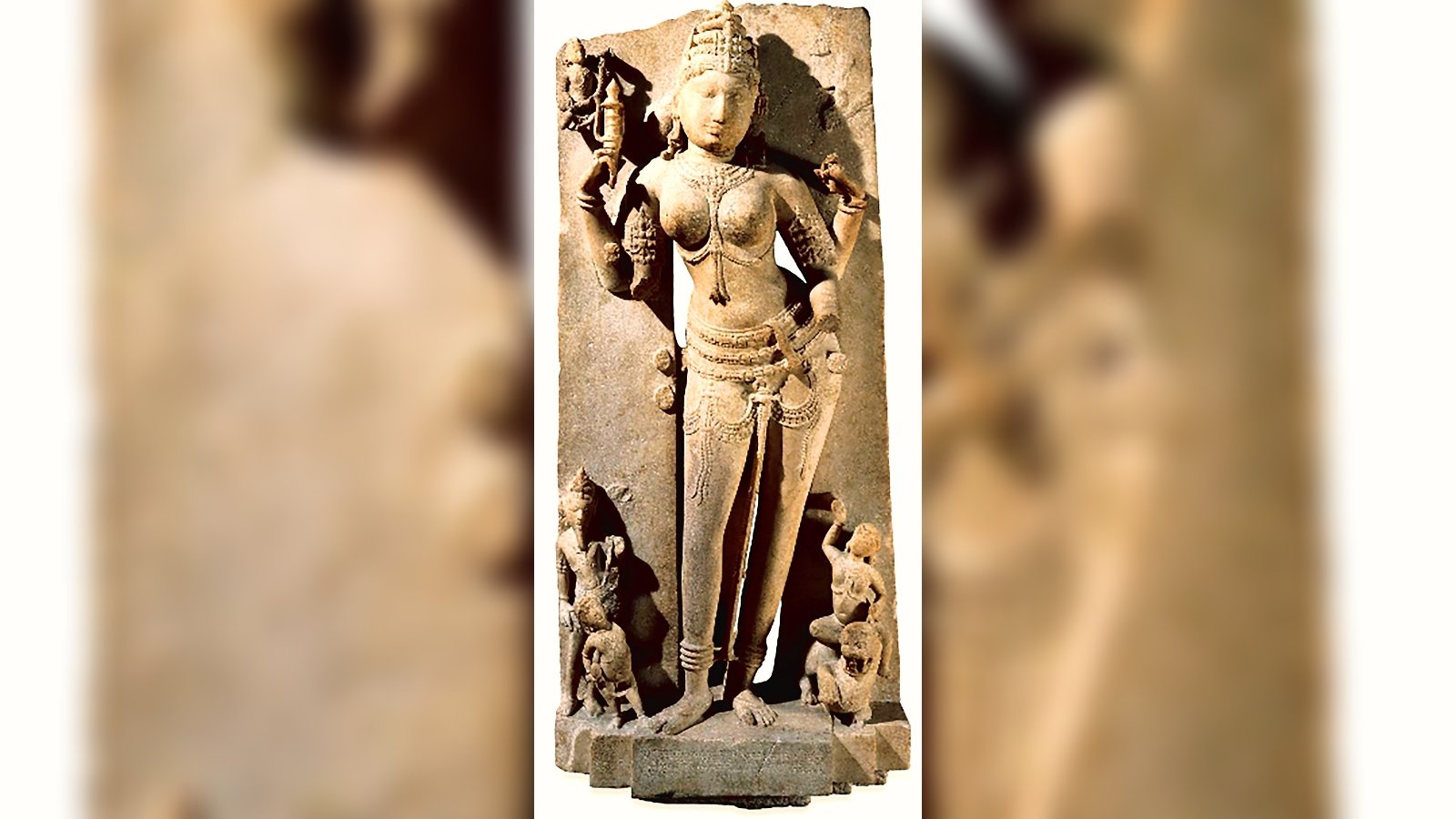
India has renewed efforts to bring back the 11th-century Vagdevi (Goddess Saraswati) idol associated with Bhojshala in MP’s Dhar district, nearly three months after the High Court concluded that the religious character of the hitherto disputed complex was that of a temple associated with the deity.
The issue recently found prominence during the BRICS Culture Ministers’ meeting in Bhopal, which kicked off on August 5.

Union Culture Secretary Vivek Aggarwal said the Centre began pursuing the idol’s repatriation nearly a year before the Madhya Pradesh HC directed the government in May to make efforts to secure its return.
“When I joined as Culture Secretary, my batchmate wrote to me, around a year ago, asking that the repatriation process for the Vagdevi idol be initiated. We wrote to the museum (in the UK) where the idol is currently housed. We are making constant efforts to ensure the idol is brought back to Madhya Pradesh,” Aggarwal said on Wednesday.
Member nations are expected to discuss the return of cultural property removed during the colonial era in the next couple of days at the meeting, which concludes on August 8.
Citing India’s recent success in securing the return of antiquities from overseas, he said, “It is because of these efforts that we were able to repatriate an idol for Tamil Nadu. Efforts are also underway to bring back two other idols belonging to temples in Tamil Nadu.”
Renewed push
The renewed push follows an MP High Court judgment that recognised the Bhojshala-Kamal Maula complex as a Saraswati temple, directing the Union government to make efforts to bring the idol back from the United Kingdom.
Story continues below this ad
The marble sculpture, dating to the 11th-century and linked to the Paramara period, was removed from Dhar during British rule. It is now part of the British Museum’s collection.
Though India identifies it as the Vagdevi idol from Bhojshala, the British Museum catalogues it as an image of Ambika from the Jain tradition discovered in Dhar in 1875 and formally acquired in 1909.
According to the museum’s catalogue, the four-armed deity holds an elephant goad (ankusha) and the remains of a noose or plant stalk. The sculpture measures 1.285 metres in height, weighs an estimated 250 kg. The museum notes that the sculpture was made by Vararuci, identified by some scholars with the court poet Dhanapala of King Bhoja’s court.
According to the Culture Ministry, around 650 stolen or smuggled artefacts have been repatriated since 2014, compared with just 13 before that period.
Officials said the BRICS discussions are focusing on strengthening cooperation against the illicit trafficking of cultural property, facilitating the return of artefacts removed during the colonial period, preserving manuscripts and archaeological records, and developing joint cultural initiatives among member countries.
Story continues below this ad
In its May judgment, the HC concluded that the religious character of the disputed Bhojshala-Kamal Maula Mosque complex was that of Bhojshala – described as a temple of Goddess Vagdevi.
On the demand by petitioners for the return of the idol of Goddess Saraswati from the UK museum and its reinstallation at Bhojshala, the bench noted that several representations had already been submitted to the Union government. It said the Centre may consider those representations.