

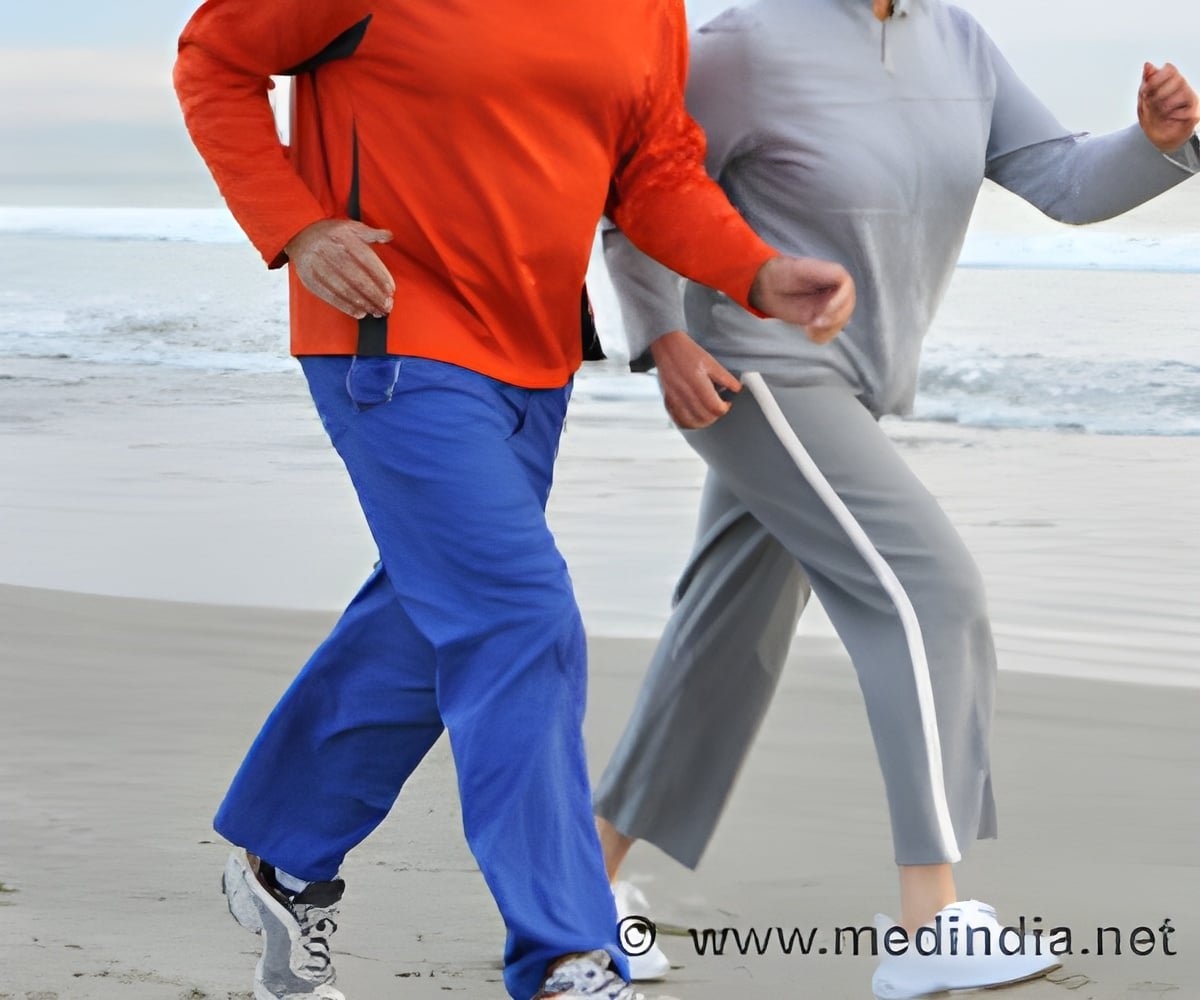
A systematic review explains how movement and exercise influence lymphatic function while separating evidence from common wellness myths.
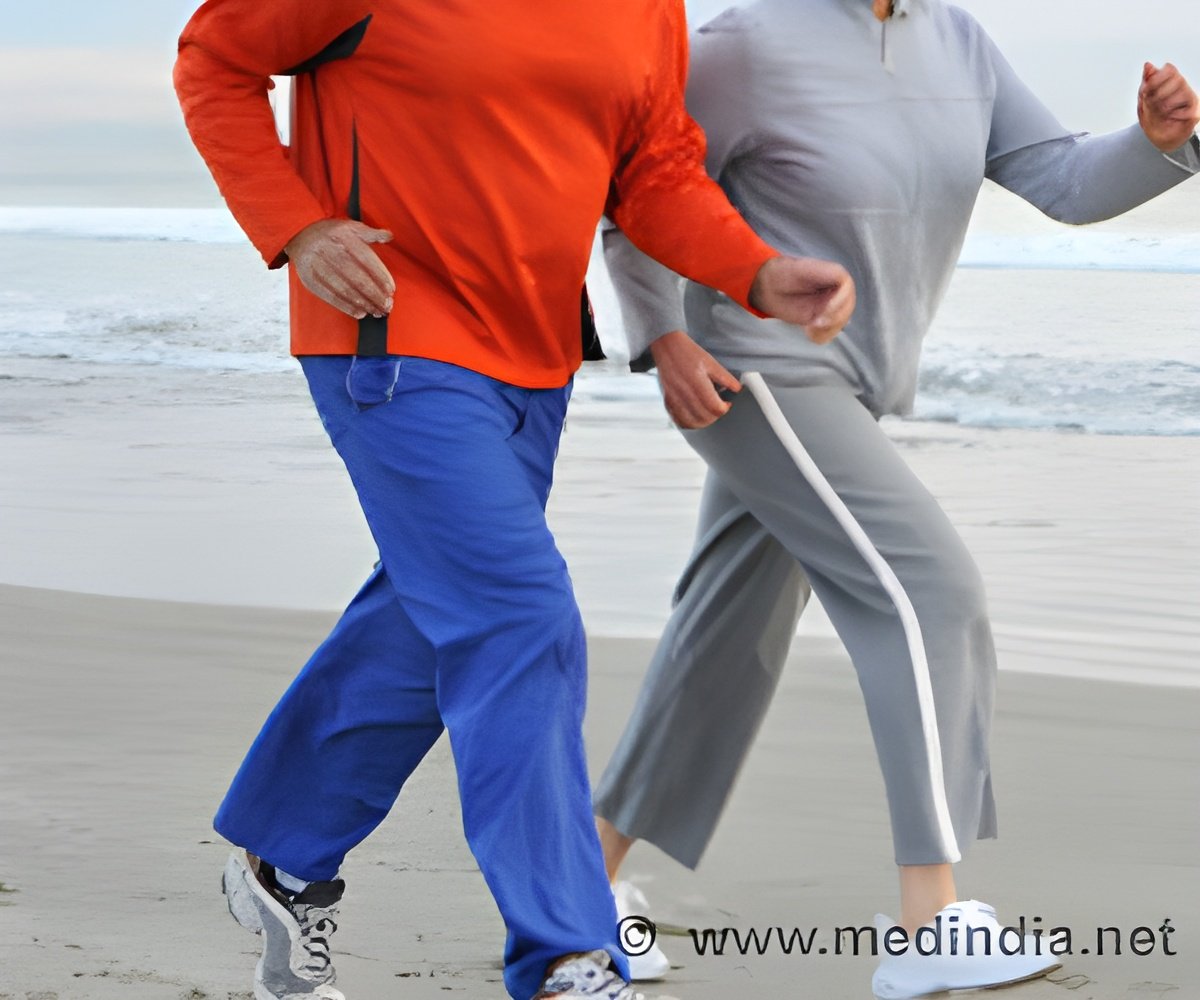
- Lymphatic vessels contract and adapt to physiological changes
- The lymphatic system is an active, adaptable transport network rather than a passive drainage pathway
- Walking supports the body’s natural processes that keep lymphatic fluid moving
Many people are becoming curious about “lymphatic walking” and whether everyday movement can help keep the body’s lymphatic system functioning well (1✔ ✔Trusted Source
The transport function of the human lymphatic system-A systematic review
).
A systematic review published in Physiological Reports brings together the current understanding of how the human lymphatic system transports fluid and responds to different physiological stimuli, offering a clearer picture of why movement matters. The review explains the biological processes that make regular physical activity relevant to lymphatic function.
The review analyzed 28 human studies published between 2000 and 2022 after screening 2,885 publications. It examined three key measures of lymphatic function: contraction frequency, lymph fluid velocity, and lymphatic pressure.
Across the included studies, interventions such as exercise, increased gravitational force, hyperthermia, and certain medications influenced lymphatic vessel contraction frequency, highlighting the system’s ability to adapt to physiological changes.
Advertisement
How the Lymphatic System Moves Fluid Throughout the Body?
Unlike the circulatory system, the lymphatic system does not rely on a central pump. Instead, lymph moves through a network of vessels that transport excess fluid, proteins, and dietary fats while also supporting normal immune function.
The review describes the lymphatic system as an active, adaptable network rather than a passive drainage pathway. Its collecting vessels contain smooth muscle cells that contract rhythmically, while one-way valves help maintain forward flow.
Advertisement
How Body Movement Supports Healthy Lymphatic Function
Everyday movement naturally changes the forces acting on the body. Walking across a park, climbing a flight of stairs, or simply getting up regularly after long periods of sitting all create repeated muscle activity that influences the environment in which lymphatic vessels operate.
Among the human studies reviewed, exercise was one of the physiological interventions associated with increased lymphatic vessel contraction frequency. Other factors, including increased gravitational force and heat exposure, produced similar responses, suggesting that the lymphatic system continuously adapts to changing physical conditions.
Advertisement
Can Exercise Improve Lymphatic Transport?
The review examines how various physiological conditions affect measurable aspects of lymphatic transport.
Key observations include:
- Exercise increased lymphatic vessel contraction frequency in healthy participants.
- Increased gravitational force also stimulated lymphatic contractions.
- The lymphatic system demonstrated measurable adaptability across different physiological conditions.
- Responses varied depending on the intervention and the methods used to measure lymphatic function.
The review highlights the body’s natural ability to adjust lymphatic transport in response to movement-related stimuli.
The Human Lymphatic System Is More Dynamic Than Previously Thought
For many years, the lymphatic system received far less attention than the heart or blood vessels. This review reflects how understanding has evolved, showing that lymphatic vessels actively regulate fluid transport instead of serving as simple channels.
As Thorup and colleagues state, “We find that the lymphatic system is dynamic and adaptable. Different investigative methods yield alternating results. Systematic approaches, consensus on investigative methods, and larger studies are needed to fully understand lymphatic transport and apply this in a clinical context.”
What Healthy Lymphatic Function Means for Everyday Life
Someone who spends much of the day moving between classrooms or walking around a workplace experiences repeated muscle activity throughout the day. Another person working long hours at a desk may spend extended periods sitting with fewer opportunities for movement.
The review does not compare these lifestyles directly, but it reinforces the broader physiological principle that the lymphatic system responds to physical activity and other natural bodily stimuli rather than functioning independently of them.
What Current Evidence Says About Walking and Lymphatic Health?
Although the findings help explain why movement supports normal lymphatic physiology, the review does not establish that walking alone improves health outcomes or treats lymphatic disorders.
It also does not support common claims that walking “detoxifies” the body or rapidly improves immunity. Instead, it emphasizes that more standardized methods and larger human studies are needed to better understand how lymphatic transport can be modified in clinical practice.
This perspective shifts attention away from trendy labels and toward a more evidence-based understanding of how the body’s own transport system responds to everyday physiological changes.
Paying attention to regular movement throughout the day may help support the body’s natural physiological processes.
Frequently Asked Questions
Q: Does Walking Improve Lymphatic System Function?
A: The review shows that exercise can increase lymphatic vessel contraction frequency, but it does not specifically evaluate walking.
Q: What is the role of the Lymphatic System in the Body?
A: The lymphatic system helps transport excess tissue fluid, proteins, dietary fats, and supports normal immune function.
Q: Can Exercise Affect Lymphatic Transport?
A: Yes. The review found that exercise was among the physiological factors associated with increased lymphatic vessel contraction frequency.
Q: Does the Lymphatic System have a Pump like the Heart?
A: No. The review explains that lymphatic transport relies on rhythmic vessel contractions and other physiological mechanisms rather than a central pump.
Q: Is there Scientific Evidence for “Lymphatic Walking”?
A: The review does not investigate lymphatic walking as a distinct exercise and does not evaluate its specific health effects.
Reference:
- The transport function of the human lymphatic system-A systematic review – (https://pubmed.ncbi.nlm.nih.gov/37269161/)
Source-Medindia