

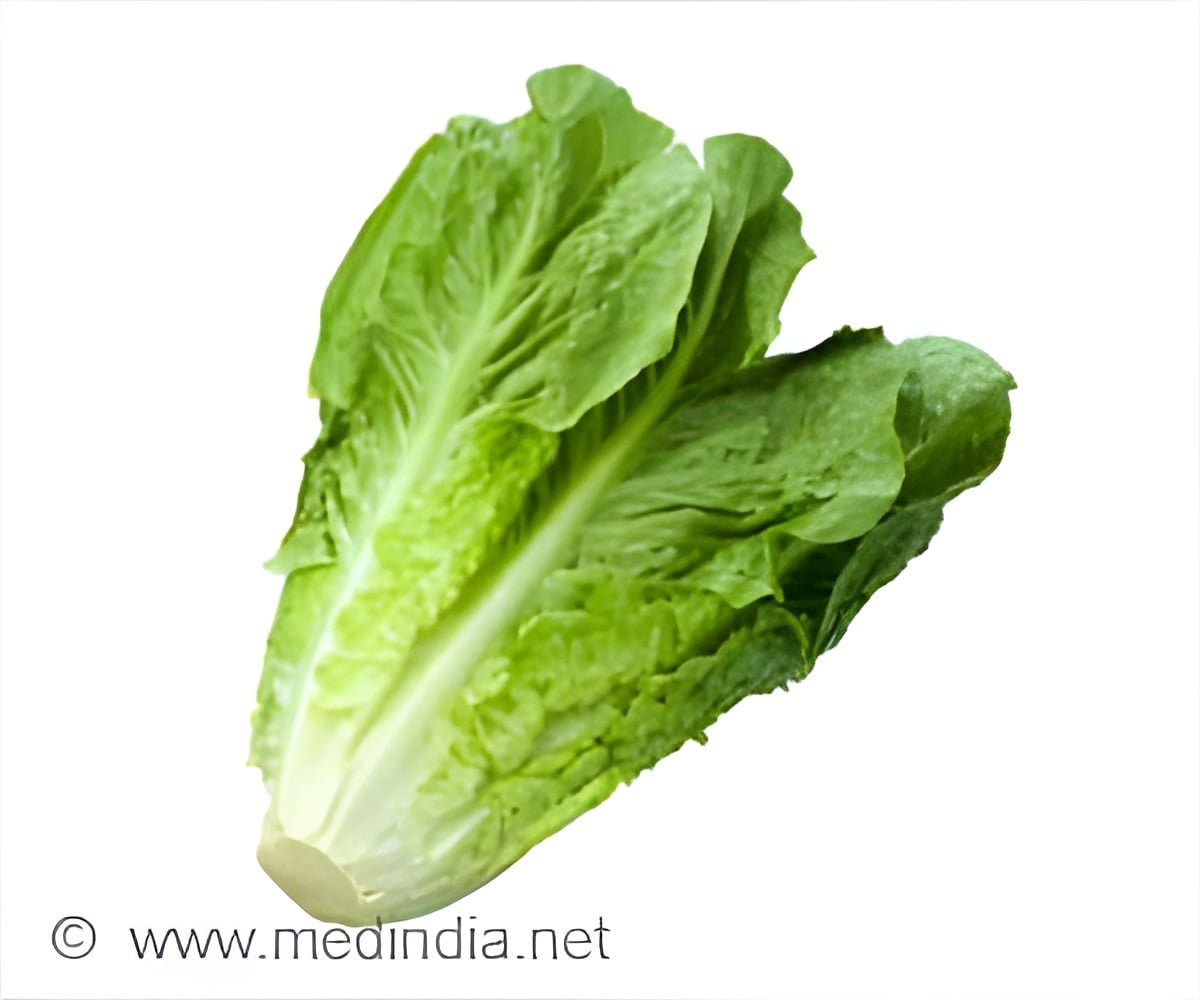
Can people safely eat salads again as the Cyclospora outbreak declines in Michigan? Here’s what health officials say about the parasite, symptoms and food safety.
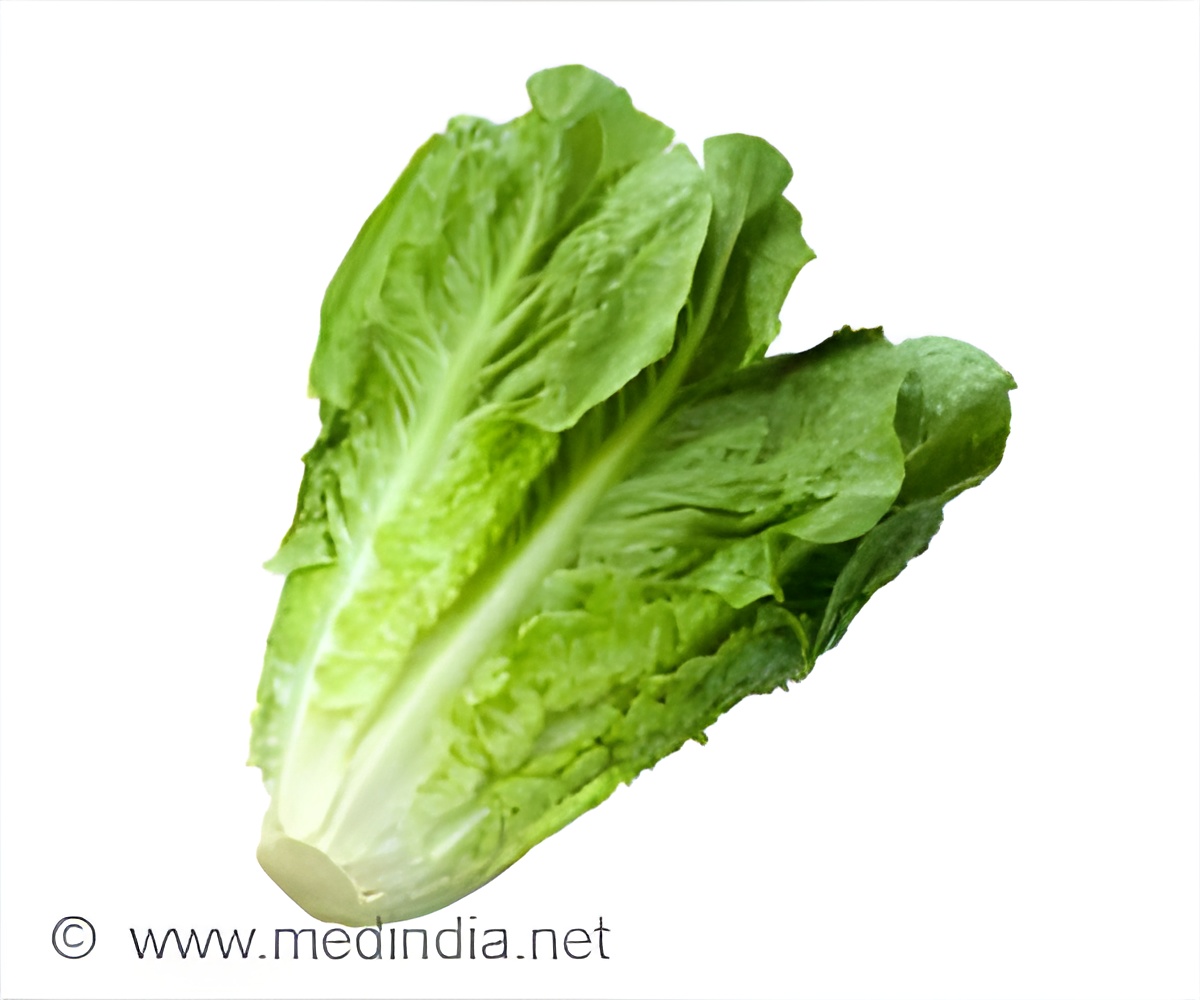
Michigan health officials have given residents the green light to start eating lettuce and bagged salads again as a major Cyclospora outbreak shows signs of slowing. The outbreak has sickened thousands across the US, raised food-safety concerns and changed the way many people think about fresh produce.
Advertisement
Michigan Lifts Salad Warning
After weeks of caution around leafy greens, Michigan residents have been told they can return to eating lettuce and bagged salads. Health officials say the number of new cyclosporiasis cases has fallen, suggesting that the outbreak is beginning to lose momentum.
The change comes after a prolonged outbreak that made salad ingredients an unexpected source of concern for consumers. For many people, avoiding raw greens became a simple precaution while investigators worked to understand how the parasite was spreading.
Michigan was among the states hit particularly hard. The state has reported 12,485 confirmed cases and two deaths connected to the outbreak, according to the latest figures. The outbreak has been far larger than the previous year, when Michigan recorded only about 50 cases.
Advertisement
What Is Cyclospora?
Cyclospora is a microscopic parasite that causes an intestinal infection called cyclosporiasis. () People usually become infected by consuming food or water contaminated with the parasite. Unlike some foodborne illnesses that can cause symptoms relatively quickly, Cyclospora infections can take time to develop.
People may experience frequent watery diarrhea, stomach cramps, bloating, nausea, fatigue and loss of appetite. The illness can last for weeks if it is not treated, and symptoms can sometimes return after appearing to improve.
Advertisement
How The Cyclospora Outbreak Spread
The outbreak has been complicated because investigators have been dealing with multiple suspected sources and transmission events.
Health authorities linked part of the outbreak to contaminated iceberg lettuce, including lettuce supplied by Taylor Farms from central Mexico. The contaminated lettuce is believed to have been removed from the market, helping reduce the risk to consumers. However, officials have not definitively established a single food source responsible for every case.
That uncertainty has made the investigation particularly difficult. Cyclospora outbreaks can be challenging to trace because the parasite can be difficult to detect and because contaminated produce may pass through several suppliers, restaurants and distribution networks before reaching consumers.
Thousands Of Cyclospora Cases Reported Across The US
The outbreak has not been limited to Michigan. More than 10,000 confirmed cases and 12,000 suspected cases have been reported nationwide. More than 500 people have also been hospitalized. Federal health officials have warned that additional cases could still be identified as testing and reporting continue.
The scale of the outbreak has made it one of the most significant Cyclospora events seen in the United States. The unusually high number of infections has also put pressure on restaurants and fast-casual food chains that rely heavily on fresh vegetables and salads.
Restaurants Feel The Impact
The outbreak has had consequences far beyond public health. Restaurants that depend on fresh produce have faced difficult decisions over which ingredients to serve. Some temporarily removed lettuce from menus or changed recipes while health officials investigated possible sources of contamination.
The uncertainty also affected consumer behavior. Some customers became reluctant to order salads or eat uncooked leafy greens even when restaurants had no known connection to the outbreak.
The outbreak contributed to major challenges for salad-focused businesses, with Salad and Go eventually filing for bankruptcy. The situation shows how quickly a foodborne illness outbreak can affect an entire supply chain, from farms and distributors to restaurants and consumers.
Why Lettuce Became A Major Concern
Lettuce and other leafy greens are particularly challenging from a food-safety perspective because they are often eaten raw. Cooking can destroy many pathogens, but salad ingredients are generally served without a cooking step that would eliminate contamination. That means preventing contamination during farming, harvesting, processing, transportation and preparation becomes especially important.
Once contaminated produce enters a large distribution network, it can also reach consumers in several states before investigators identify the problem. That is one reason officials rely on epidemiological investigations, laboratory testing and food-supply records to identify possible connections between cases.
Two Deaths Reported In Michigan
Although cyclosporiasis is generally treatable, the outbreak has had serious consequences. Michigan has reported two deaths associated with the outbreak. Both individuals reportedly had significant underlying health conditions that may have been worsened by the infection and resulting dehydration.
The deaths are a reminder that an illness often described as a gastrointestinal infection can become dangerous, particularly for people who are older, medically vulnerable or unable to maintain adequate fluid levels during prolonged diarrhea.
Cyclosporiasis Symptoms Can Last For Weeks
Cyclosporiasis commonly causes persistent watery diarrhea, which can be accompanied by abdominal discomfort, nausea, fatigue and weight loss. Because the illness can continue for an extended period, dehydration is an important concern.
People who develop persistent diarrhea or other severe symptoms should seek medical advice, particularly if they have difficulty drinking enough fluids or have other health conditions. Doctors can use laboratory testing to help confirm Cyclospora infection and determine whether treatment is appropriate.
Why The Cyclospora Outbreak Is Finally Winding Down
The decline in Michigan cases is an encouraging development, but it does not mean the outbreak is necessarily finished nationwide. Health officials believe the contaminated lettuce connected to the outbreak is no longer circulating in the marketplace. As that exposure decreases, fewer people are expected to become infected.
However, illnesses can continue to be reported after an exposure ends because people may develop symptoms later and because laboratory confirmation and public-health reporting take time. That means case numbers can continue rising for a period even after the original contaminated product has disappeared from stores and restaurants.
Consumers Can Return To Salads, But Food Safety Still Matters
Michigan’s decision to lift its salad warning is reassuring for consumers who have been avoiding leafy greens. Still, the episode highlights the importance of basic food-safety practices. Consumers should wash fresh produce according to food-safety guidance, keep refrigerated foods at appropriate temperatures and prevent raw foods from coming into contact with surfaces or ingredients that could cause cross-contamination.
For restaurants and food suppliers, the outbreak is another reminder of how important traceability is. When investigators can quickly identify where a product came from and where it was distributed, potentially contaminated food can be removed from the supply chain more efficiently.
A Warning For The Food Industry
The Cyclospora outbreak has exposed the vulnerability of a food system that moves fresh produce across borders and through complex distribution networks. The return of salads to Michigan menus is a positive sign, but the outbreak also leaves important questions about how contaminated produce entered the supply chain and how quickly such contamination can be detected.
For consumers, the immediate message is simple: Michigan officials say salads are safe to eat again as cases decline, but people should continue paying attention to food-safety alerts and seek medical care if persistent gastrointestinal symptoms develop. For the food industry, the outbreak offers a broader lesson: keeping fresh produce safe requires vigilance at every stage, from the farm to the dinner table.
What Is Cyclospora And How Does It Spread?
Cyclospora is a parasite that causes intestinal illness when people consume contaminated food or water. Fresh produce, particularly foods eaten raw, can become a concern when contamination occurs during growing, harvesting, processing or handling.
The parasite does not typically spread directly from one person to another in the same way as respiratory infections. Instead, contaminated food or water plays an important role in transmission. The 2026 outbreak demonstrates why tracing foodborne illnesses can take time — and why a single contaminated ingredient can have consequences across multiple states and businesses.
References:
- Cyclosporiasis – (https://my.clevelandclinic.org/health/diseases/17957-cyclosporiasis)
Source-Medindia