

2 min readNew DelhiUpdated: Aug 7, 2026 02:26 PM IST
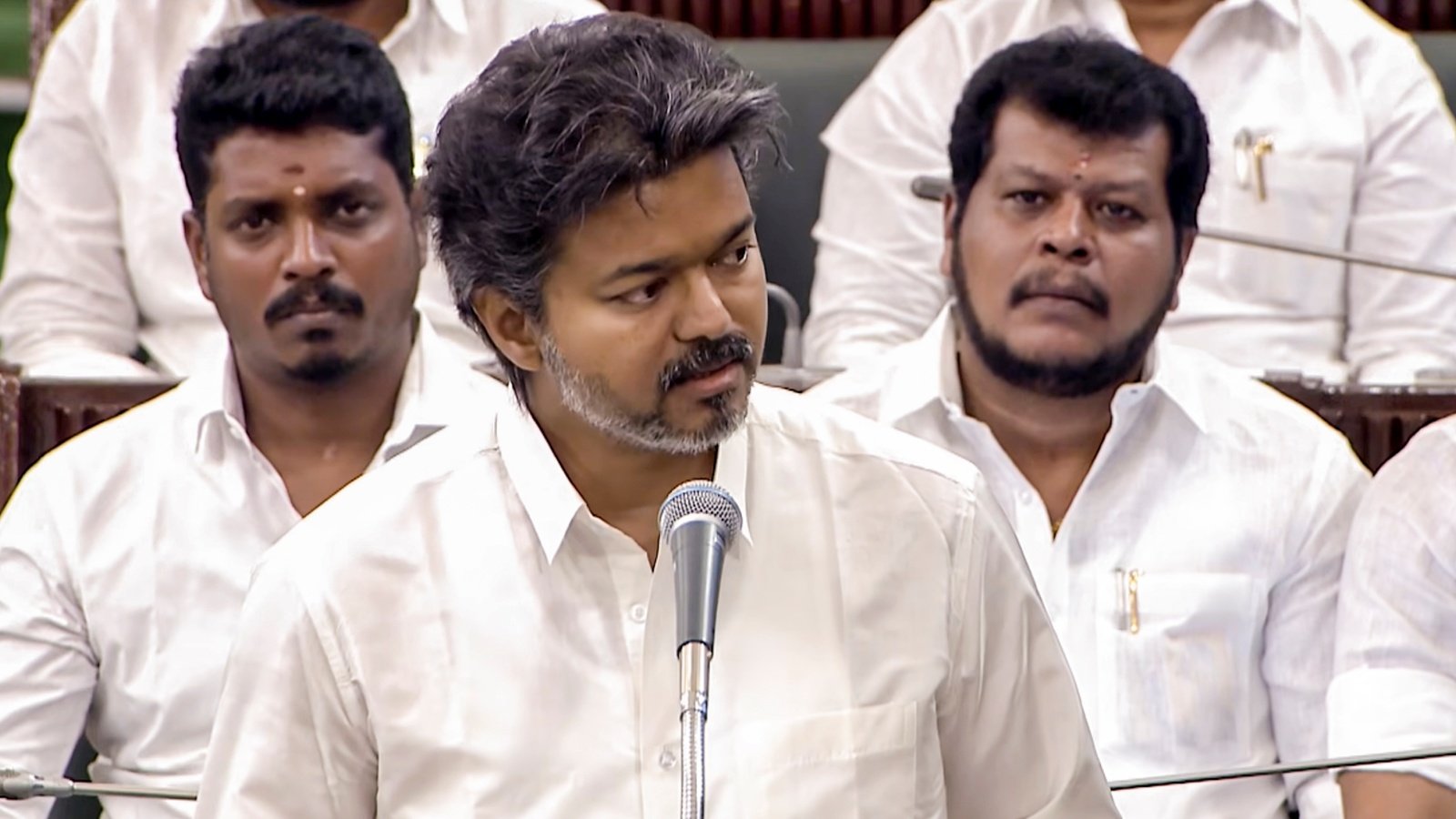
Tamil Nadu Chief Minister C Joseph Vijay defended his decision on Friday to consider direct talks with Karnataka over the Cauvery water dispute. At the same time, he made it clear that his government has not abandoned legal routes in the case. Vijay said he proposed talks with Karnataka on the Cauvery issue, hoping for a positive outcome.
Speaking in the Tamil Nadu Assembly session, Vijay said he did not want to indulge in “cheap politics” over the dispute. Responding to the opposition leader Udhayanidhi Stalin in the session, Vijay mentioned how Tamil Nadu had handled the Cauvery issue since 1969 from considering dialogue to sticking to dealing with the dispute legally. “Our stand on the Cauvery issue remains firm. There is no change in our approach of dealing with it,” he said.

Quoting late Congress leader and former Tamil Nadu Assembly Opposition leader P G Karuthiruman, Vijay said that the Cauvery issue needed careful negotiation.
Vijay was also considering visiting Bengaluru and holding talks, hoping that could offer a way forward. “Even nations that are sworn enemies hold dialogue to resolve issues,” he said, adding that he is prepared to bear insults for the sake of the Tamil Nadu people.
The Cauvery dispute
The Tamil Nadu-Karnataka Cauvery dispute dates back decades. A water-sharing agreement was signed in 1924, which remained in force for 50 years. Under the agreement, Tamil Nadu was allowed to expand its agricultural area by 11 lakh acres from the existing 16 lakh acres while Karnataka was permitted to increase its irrigation area from 3 lakh acres to 10 lakh acres.
After the agreement lapsed in 1974, Karnataka argued that the pact had restricted its agricultural development and began constructing reservoirs in the Cauvery basin. This escalated the dispute.
Tamil Nadu objected to the dams. Subsequently, the Union government constituted the Cauvery Water Disputes Tribunal in 1990 to decide on the sharing of the river’s waters between the basin states.
Story continues below this ad
The Supreme Court also directed the government to frame a mechanism for implementing the award. Which led to the establishment of the Cauvery Water Management Authority and the Cauvery Water Regulation Committee.