

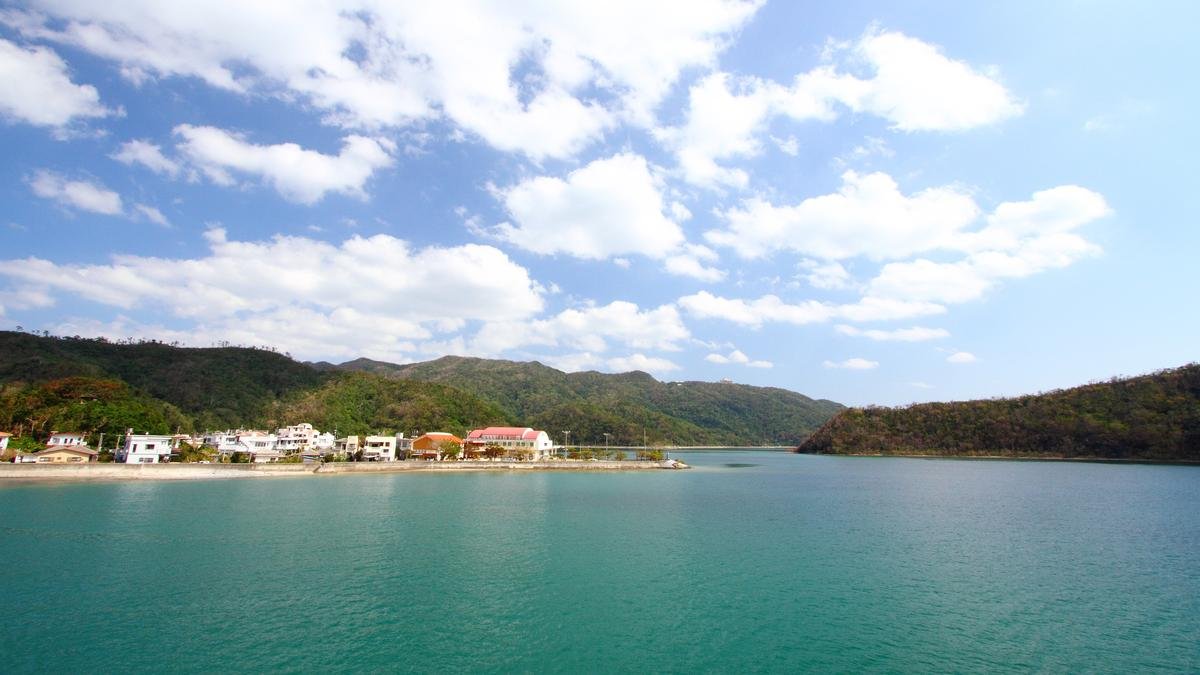
The air is heavy, but the skies are clear on a July afternoon in Okinawa, Japan’s southernmost and westernmost prefecture: a tropical paradise, a globally recognised ‘blue zone’, and home to some of the people who have lived the longest. It has been only a day or two since Typhoon Bavi churned its waters and toppled trees. But Okinawans believe typhoons are not merely inevitable; they are essential. “It cleanses our seas,” says Hisami Takayama, 62, who has worked as a travel guide in the region for several years.
A blue zone, a concept introduced by journalist Dan Buettner, demographer Michel Poulain, and physician Gianni Pes, in essence, describes a region with high longevity. Sardinia in Italy and Nicoya in Costa Rica are some of the other recognised blue zones.
Perhaps the most remarkable thing about this island of longevity is that its nature and culture are so deeply intertwined that they are almost impossible to separate. The greatest living proof of this, is a village less than two hours from Naha city, along the coast overlooking Okinawa’s brilliant blue and purple waters: Ogimi.

Ogimi is a lush landscape dotted with small farms where residents grow much of their own food
| Photo Credit:
Courtesy, Okinawa Convention&Visitors Bureau
Home to an unusually large number of octogenarians, nonagenarians, and centenarians, Ogimi is a lush landscape dotted with small farms where residents grow much of their own food. Here, people live with a strong sense of purpose, or ikigai – a word many of us became familiar with through the acclaimed self-help book – while embracing a certain slowness unique to the region, starkly different from the bustling city life of Tokyo.
Prevention better than cure
What drives longevity here? Food, of course, is one of the biggest factors. Okinawans follow a basic rule: hara hachi bu, which means, eating until you are 80% full. They also believe that good health begins with the food they eat; Okinawans place greater emphasis on prevention rather than treating illness after it occurs – a philosophy influenced by Chinese culture, which believes that food and medicine come from the same source.
Morio Taira, 91, eats about three meals a day – meat, lots of vegetables, and fruits, whether they are bitter, sour, or sweet. An Ogimi table makes the best use of whatever is grown in the village during that particular season. Their diet is especially rich in green and yellow vegetables, including bitter gourd, mugwort, and handama. A local specialty fruit, shikwasa lemon, is used abundantly; it is believed to be high in nobiletin, a compound that may support cognitive function and help manage glucose levels, according to some studies. They also consume protein-rich island tofu. Purple sweet potato, which is rich in antioxidants, is a staple ingredient in many of their dishes.

A typical, or rather lavish meal, generally built around a bowl of rice and paired with soup
| Photo Credit:
Special Arrangement
Traditional Okinawan cuisine relies heavily on dashi, a broth that forms the base of many dishes and is rich in umami (the savoury taste), a term that any food lover associates with Japanese cuisine. Ms. Takayama says that the umami in Okinawan cuisine also has much to do with longevity. It adds restraint and harmony to their food and helps reduce salt intake – by enhancing the perception of saltiness – without sacrificing flavour.
The food grown in Ogimi uses little to no pesticides, says Makoto Takehara, a young farmer. Pointing to an okura (okra) farm, he says: “We even let weeds grow here. They are also life. They bring bugs, and bugs are necessary.” Growing food is something children are taught from a young age; it forms part of the the Okinawan school curriculum. Even older people take part in farming, which helps them stay active, says Kenryu Miyagi, chairman of Ogimi Marugoto Tourism Society.

Makoto Takehara, a farmer in Ogimi
| Photo Credit:
Meenakshy S.
Staying active
But it’s not just about food, says Mr. Morio; keeping the mind active is just as important. Even at 91, he plays Japanese chess every day.
Incidentally, it was through the game that he met the love of his life, Etsuko Taira, who is 81. The couple has been married for so long that they no longer remember exactly how many years it has been. They first met when Mr. Morio was working at a radio bullet-casting company, while Ms. Etsuko worked at a souvenir shop. Her father was an avid Japanese chess player, and as Mr. Morio often played with him, he and Ms. Etsuko gradually fell in love.
Living for loved ones is another principle Okinawans value, along with their strong sense of community. Mr. Morio and Ms. Etsuko enjoy karaoke nights and long morning walks along Okinawa’s white sandy shores. Ms. Etsuko quips they are almost always together, but a little time apart is healthy too. Every now and then, she enjoys spending time with her girlfriends and indulging in yuntaku, which, in the Okinawan dictionary, means ‘chatting and laughing’, a principle through which local people strengthen their bonds by sharing stories about their day-to-day lives.

(From left) Etsuko Taira; Morio Taira; Hatsuko Yamashiro
| Photo Credit:
Meenakshy S.
Sense of purpose
The residents of Ogimi are all about the spirit of nankuru nai sa – the Okinawan belief that, in the end, everything will be alright and life should not be taken too seriously. At the same time, they are guided by a strong sense of ikigai.
Hatsuko Yamashiro is a big proponent of the latter. At 83, she still runs her own PR company, employing 15 people. She says her mission is to introduce Okinawa’s shikwasa lemons to the rest of the world. Community is very important, says Ms. Hatsuko, adding that she genuinely enjoys going to the office every day. One day, she hopes to see shikwasa become known across the globe.
The biggest secret of all, according to Ms. Takayama, is that all these values – these centuries-old secrets to a long and healthy life – are deeply ingrained in Okinawan’s culture and way of life; they are organic. Like all things, life must come to an end, and Okinawans don’t live with the goal of living a long life; they instead strive for contentment and a sense of purpose, she adds.
The secret to a long and healthy life is something many want to discover; the answer, says nonagenarian Mr. Morio, who has lived in the region all his life, is many things, all relatively simple.
Published – August 07, 2026 06:00 am IST