

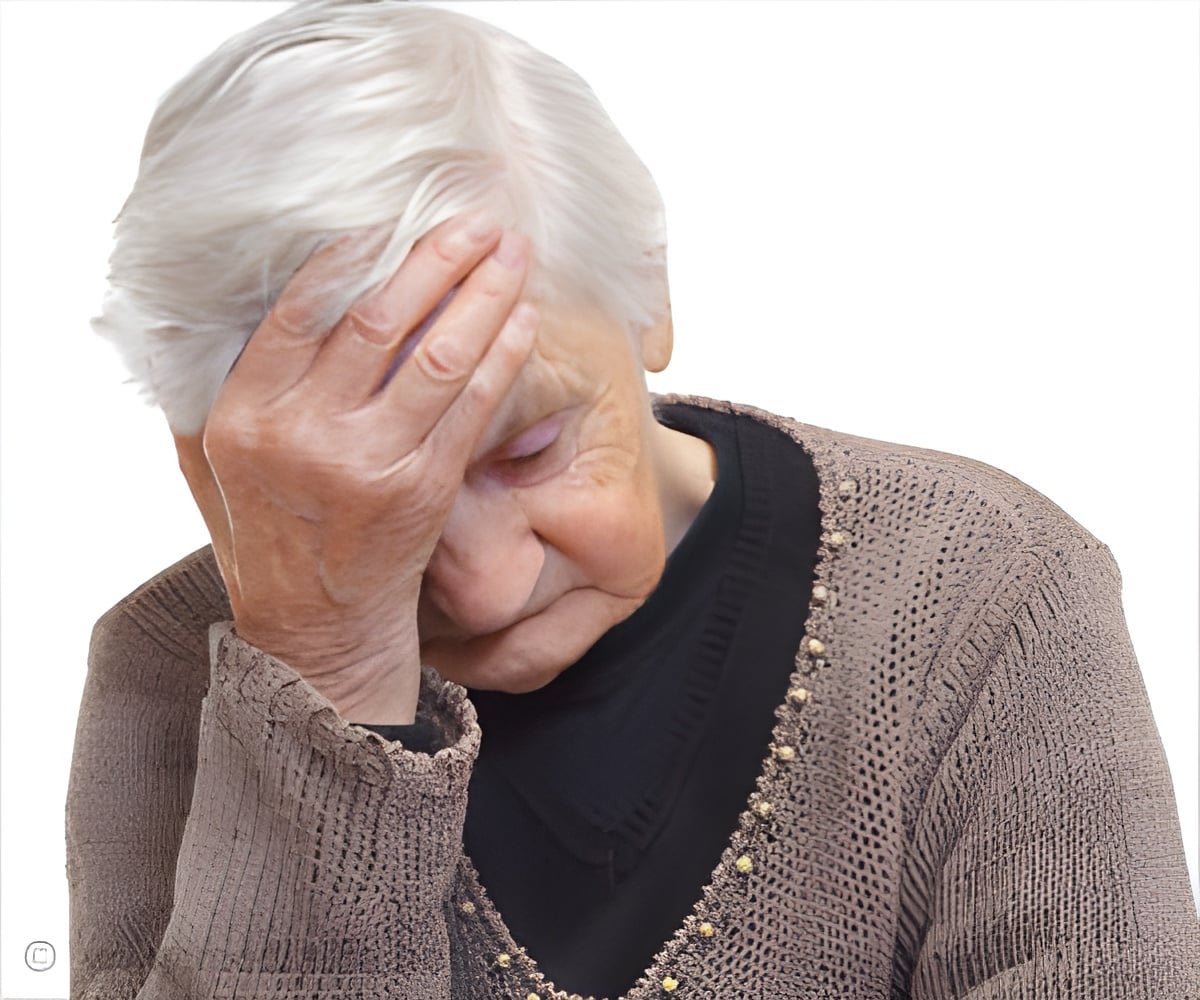
A new photo shared by Martin Frizell husband of ITV presenter Fiona Phillips, who was diagnosed with Alzheimer’s, has prompted fresh discussions about how the disease progresses beyond memory loss.
More than 55 million people worldwide live with dementia, with Alzheimer’s accounting for 60%-70% of cases, according to the World Health Organization (WHO) (1✔ ✔Trusted Source
Dementia
).
A new photo of ITV presenter Fiona Phillips, shared by her husband Martin Frizell on Instagram, has sparked fresh questions about whether
Advertisement
Why Is Fiona Phillips’ Photo Raising Questions About Alzheimer’s?
A recent photo of ITV presenter Fiona Phillips, shared by her husband Martin Frizell, has drawn attention and sparked conversations about the visible effects of Alzheimer’s disease.
Fiona, who was diagnosed with Alzheimer’s in 2022 at the age of 61, has been open about her journey with the condition.
While Alzheimer’s is best known for causing
As the condition progresses, some individuals may experience changes in facial expressions, body language, posture, movement, weight, and overall energy levels due to changes in brain function.
However, experts emphasize that Alzheimer’s does not directly change a person’s identity or who they are.
Fiona Phillips’ story has helped raise awareness that Alzheimer’s is a complex neurological condition that affects much more than memory, highlighting the importance of understanding, support, and compassion for people living with dementia.
Advertisement
Who Is Fiona Phillips and What Is Her Alzheimer’s Journey?
Fiona Phillips is a British TV presenter and journalist, best known for hosting ITV’s GMTV.
She revealed in 2023 that she was diagnosed with early-onset Alzheimer’s disease in 2022 at the age of 61 after experiencing symptoms like brain fog, forgetfulness, and memory problems.
Since her diagnosis, Fiona has been raising awareness about Alzheimer’s symptoms,
Her journey highlights that Alzheimer’s affects more than memory; it can impact daily life, emotions, and overall well-being.
Advertisement
Can Alzheimer’s Affect Your Physical Appearance?
Alzheimer’s disease is a progressive brain disorder that damages nerve cells over time.
The buildup of abnormal proteins like amyloid plaques and tau tangles disrupts brain communication, affecting areas involved in memory, emotions, movement, and daily functioning. (2✔ ✔Trusted Source
What Is Alzheimer’s Disease?
As the disease progresses, these brain changes may lead to reduced facial expressions, slower movements, posture changes, weight changes, altered body language, and difficulty with personal care.
Some individuals may also show differences in facial expression or symmetry due to changes in muscle control, though this is not common to everyone.
These changes reflect the impact of Alzheimer’s on the brain and body and do not define a person’s identity.
Early Signs and Symptoms of Dementia and Alzheimer’s Disease
- Memory loss.
- Language difficulties.
- Problem-solving issues.
- Misplacing items.
- Confusion.
- Mood and personality changes.
- Difficulty with daily activities.
- Poor judgment or spatial difficulties.
Is Alzheimer’s Genetic, and Can It Be Treated?
Alzheimer’s disease can have a genetic component, but most cases are influenced by a combination of age, genetics, lifestyle, and environmental factors.
There is currently no cure for Alzheimer’s, but treatments can help manage symptoms and may slow disease progression in some people.
Medications, lifestyle changes, cognitive activities, and supportive care can help improve quality of life.
Early recognition of symptoms, timely medical support, and healthy lifestyle choices can help people manage the condition better and maintain independence for longer.
“The greatest glory in living lies not in never falling, but in rising every time we fall,” as said by Nelson Mandela.
Raising awareness and showing compassion can make a meaningful difference in the journey of those living with Alzheimer’s and their families.
References:
- Dementia – (https://www.who.int/news-room/fact-sheets/detail/dementia)
- What Is Alzheimer’s Disease? – (https://www.nia.nih.gov/health/alzheimers-and-dementia/what-alzheimers-disease)
Source-Medindia