

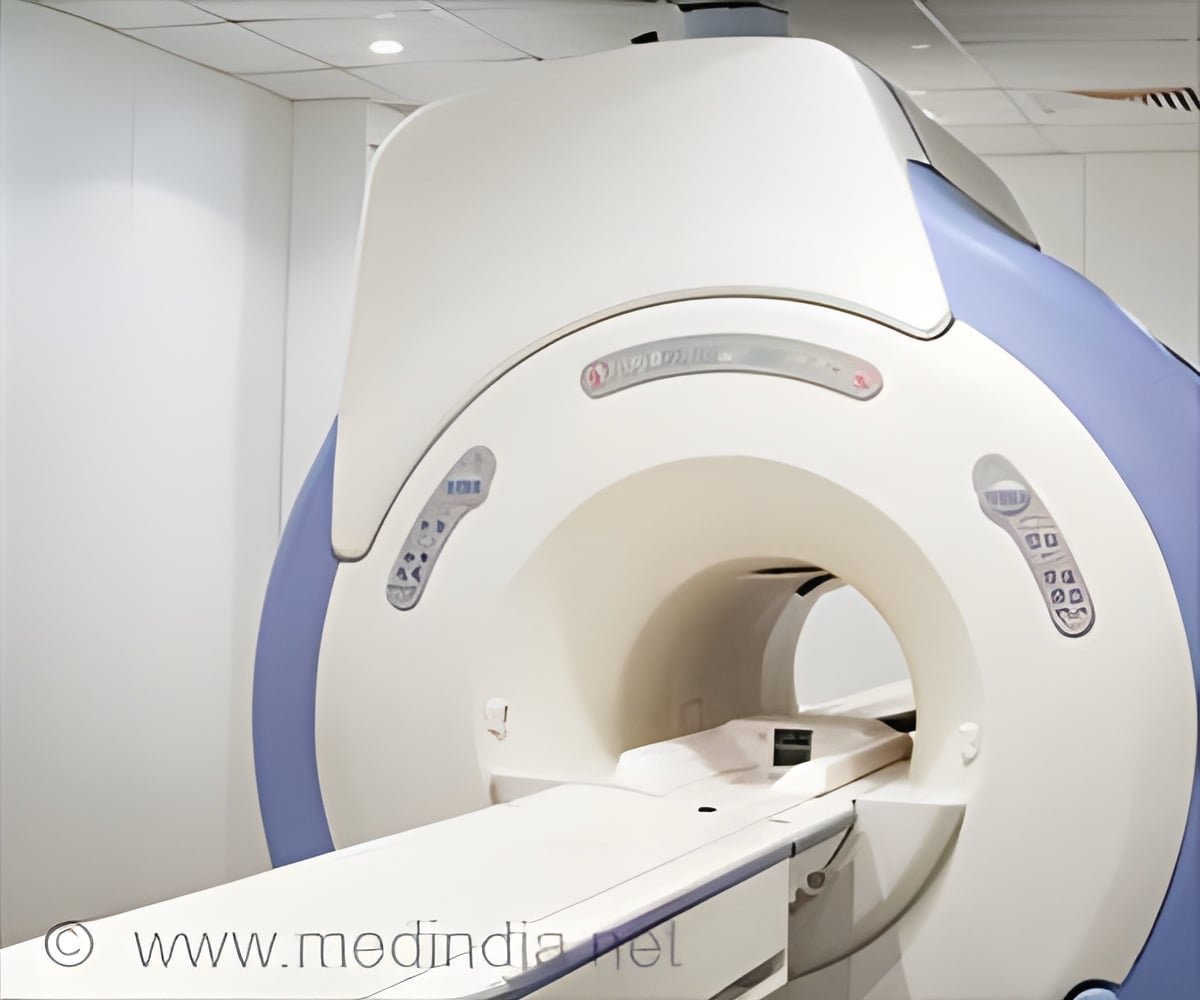
A review highlights how magnetic nanoparticles and advanced imaging are shaping more precise approaches to brain tumor treatment.
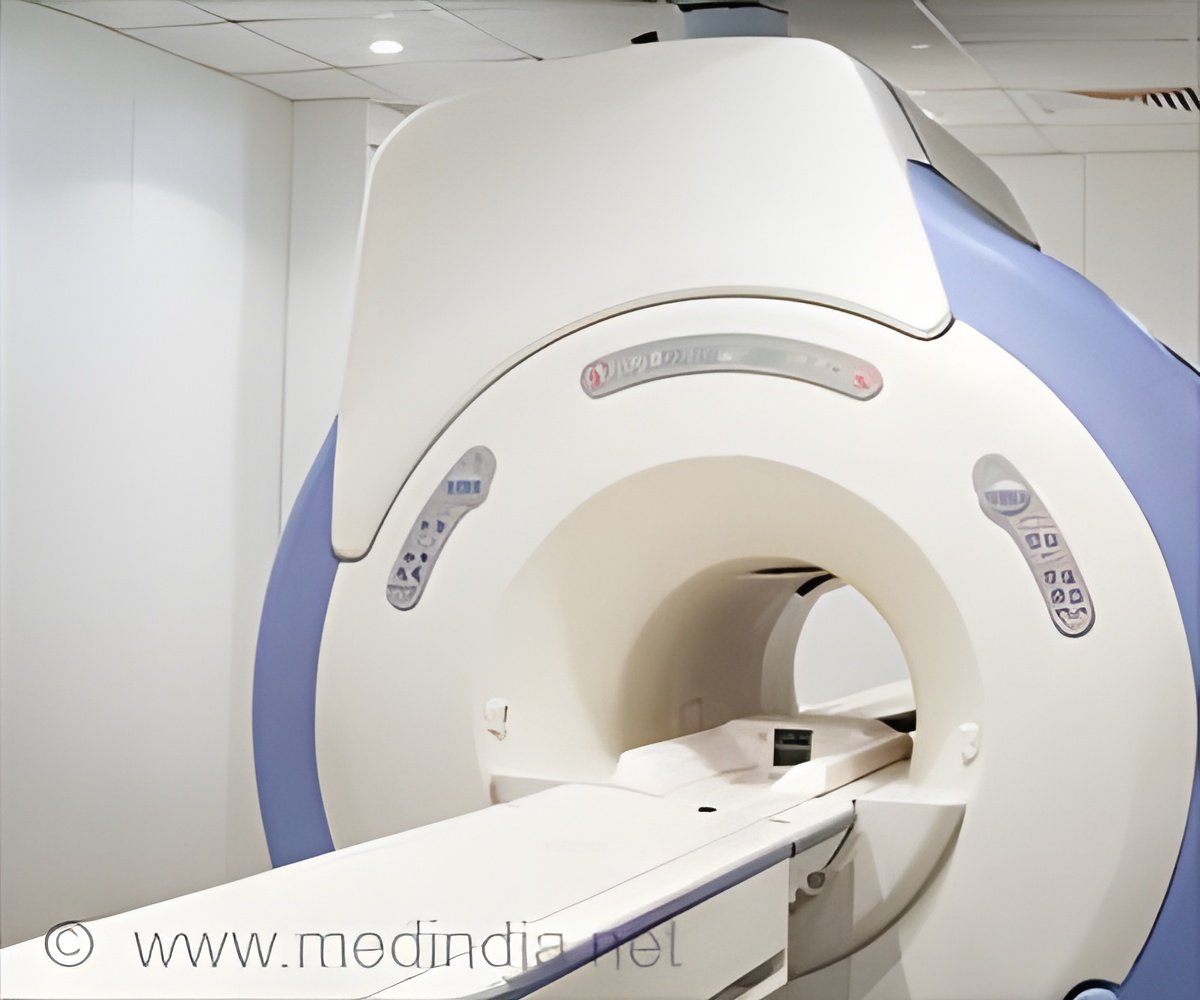
- Magnetic hyperthermia therapy uses localized heat to target brain tumors
- Magnetic particle imaging helps guide brain tumor treatment with improved nanoparticle visualization
- Advanced magnetic nanoparticles are expanding possibilities for glioblastoma treatment
Treating brain tumors remains challenging because therapies must target cancer cells while protecting healthy brain tissue. An evidence report published in Micromachines reviews recent advances in magnetic hyperthermia therapy (MHT) and magnetic particle imaging (MPI), highlighting how these emerging technologies may improve the precision of brain tumor treatment. The review brings together existing preclinical evidence to evaluate current progress and future directions ().
The review systematically screened 251 published articles and included 12 for detailed analysis. Nine focused on magnetic hyperthermia therapy in animal models of
Advertisement
How Magnetic Hyperthermia Therapy Works
Magnetic hyperthermia therapy uses tiny magnetic nanoparticles placed inside or around a brain tumor. When exposed to an external alternating magnetic field, these particles generate localized heat that damages tumor cells while limiting effects on nearby healthy tissue.
Unlike some other heat-based treatments, this approach may allow repeated treatment sessions because the nanoparticles can remain near the tumor for weeks or months after a single delivery.
Advertisement
Why Magnetic Particle Imaging Matters
Heating the correct area is only part of the challenge. Doctors also need to know exactly where the nanoparticles are before and during treatment.
The review describes magnetic particle imaging as an emerging technique designed specifically to visualize these nanoparticles with high clarity. Better imaging could help confirm whether enough particles have reached the tumor and guide more precise treatment planning.
A person undergoing treatment for a deep-seated brain tumor could potentially benefit from more accurate nanoparticle tracking, while another receiving repeated therapy sessions may require imaging to determine whether additional nanoparticles are needed.
Advertisement
What the Review Found About Brain Tumor Treatment
Across the reviewed papers, different nanoparticle designs offered distinct advantages.
Some were designed to:
- Break down naturally after treatment
- Produce stronger or more sustained heating
- Reach tumors more effectively
- Improve delivery of other therapies
- Reduce tumor growth in animal models
- Support multiple treatment sessions
No single nanoparticle performed best in every situation, and each design also had limitations that require further evaluation.
Brain Tumor Care Continues to Evolve
Rentzeperis and colleagues summarize the field by stating, “MHT is a novel therapeutic modality that has the potential to safely and non-invasively target tumors.”
The review also emphasizes that several challenges remain before wider clinical use, including refining nanoparticle design, improving real-time temperature monitoring, and advancing imaging technology for human application.
As brain tumor treatment continues to evolve, the focus is gradually shifting from simply delivering therapy to delivering it with greater precision. The technologies reviewed reflect that broader movement toward more targeted and carefully monitored treatment strategies.
If you are discussing treatment options for a brain tumor, consider asking your healthcare team about emerging technologies that are being investigated alongside current therapies. Understanding how new approaches are developing can help support informed conversations about future treatment possibilities.
Reference:
- Recent Developments in Magnetic Hyperthermia Therapy (MHT) and Magnetic Particle Imaging (MPI) in the Brain Tumor Field: A Scoping Review and Meta-Analysis – (https://pmc.ncbi.nlm.nih.gov/articles/PMC11123314/)
Source-Medindia