

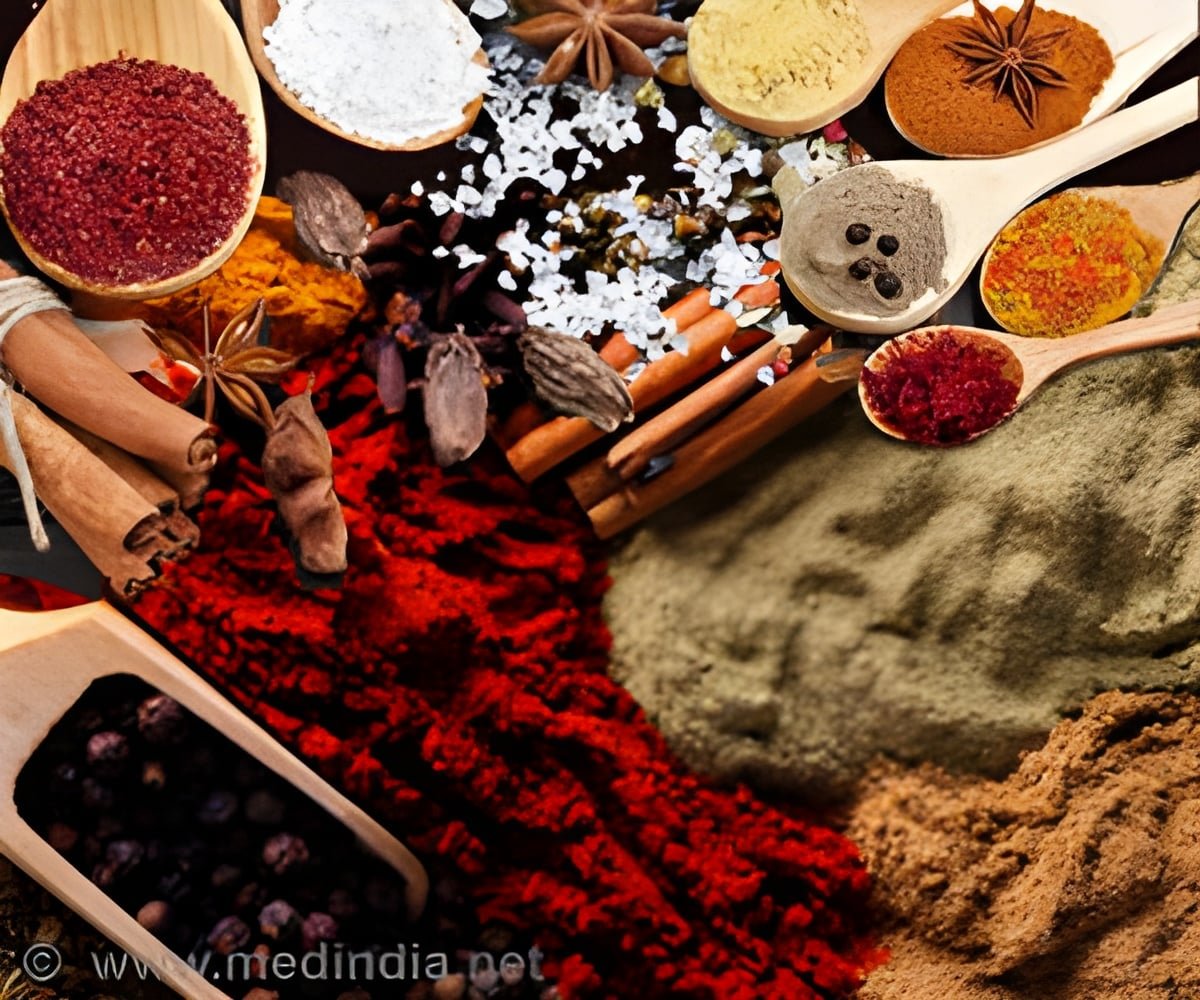
Traditional spice blends have flavored meals for centuries. Now, research suggests they may also support heart, gut, brain, and metabolic health.
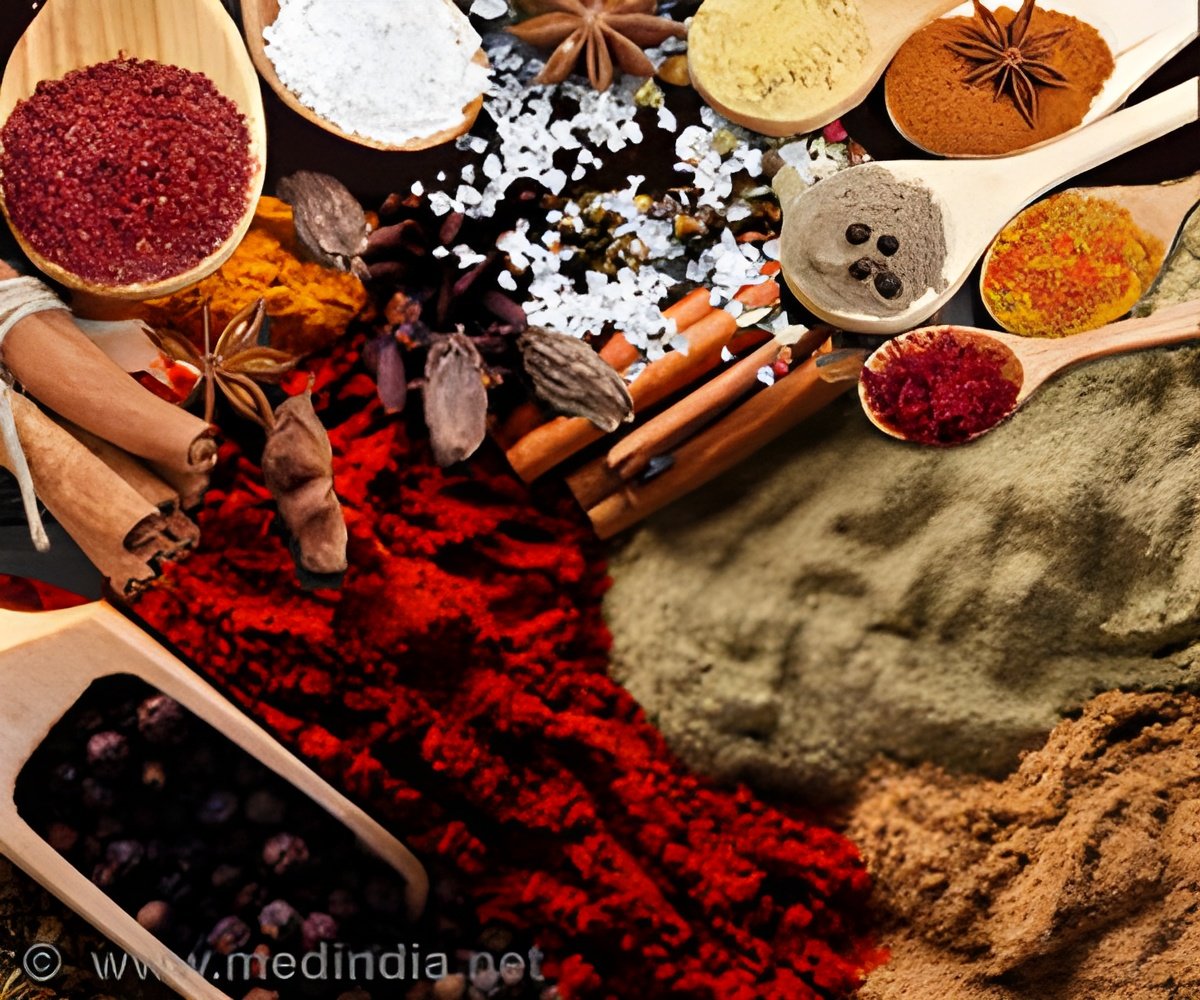
- Traditional spice blends are rich in beneficial plant compounds
- Combining spices may offer greater health benefits than using single spices
- Experts recommend enjoying spices as part of a balanced diet
For thousands of years, people across Asia, Africa, and the Middle East created spice blends not only to make food taste better but also to preserve it, aid digestion, and promote overall well-being.
Remarkably, these cultures developed complex combinations of herbs and spices independently, long before scientists could identify antioxidants, polyphenols, or anti-inflammatory compounds.
Today, modern research is revealing that many traditional spice blends contain hundreds of bioactive compounds that work together in ways individual spices often cannot.
Comprehensive reviews suggest that these culinary traditions may represent some of the earliest examples of functional foods—foods that provide benefits beyond basic nutrition (1✔ ✔Trusted Source
Culinary Herbs and Spices: Uses Across the World, Nutritional and Health Benefits
Go to source), (2✔ ✔Trusted Source
From phytochemicals to recipes: health indications and culinary uses of herbs and spices
At the same time, researchers emphasize that while many findings are promising, spices should complement a balanced diet and medical care rather than replace evidence-based treatments.
Advertisement
Why Are Traditional Spice Blends Considered Nature’s Original Functional Foods?
Long before nutrition science existed, civilizations discovered that combining spices produced better results than using a single ingredient. Over generations, these blends were refined to enhance flavor, preserve food, aid digestion, and support overall well-being.
Herbs and spices are rich in bioactive compounds such as polyphenols, terpenoids, alkaloids, flavonoids, organosulfur compounds, and essential oils, many of which have antioxidant, antimicrobial, anti-inflammatory, and metabolic properties.
Historically, spice blends served many purposes beyond seasoning food. They helped:
- Preserve foods before refrigeration
- Improve flavor and mask undesirable tastes
- Support digestion after meals
- Form part of traditional healing practices
- Increase dietary diversity through a wider range of plant compounds
Traditional cuisines often combined spices with complementary phytochemicals, creating blends that deliver a broader spectrum of bioactive compounds than individual spices alone.
This explains why traditional spice blends such as garam masala, ras el hanout, berbere, za’atar, and shichimi togarashi continue to attract scientific interest as examples of naturally developed functional foods.
Advertisement
How Do Traditional Spice Blends Around the World Support Health?
Although every region developed its own culinary traditions, many arrived at remarkably similar spice blends that combine flavor with ingredients rich in antioxidants, anti-inflammatory compounds, and digestive-supporting phytochemicals.
Garam Masala (India)
One of India’s best-known spice blends, garam masala typically contains cinnamon, cardamom, cloves, cumin, coriander, and black pepper.
These spices provide diverse antioxidants, flavonoids, and essential oils, while black pepper enhances the absorption of curcumin from turmeric.
According to the review, combining multiple spices increases phytochemical diversity, allowing them to influence several biological pathways simultaneously. (3✔ ✔Trusted Source
Traditional herbs and spices: bioactive properties and potential food applications
Ras El Hanout (Morocco)
Ras El Hanout, meaning “head of the shop,” is Morocco’s signature spice blend and may contain 20 to 60 medicinal and culinary plants, including cinnamon, saffron, ginger, cumin, cloves, cardamom, rosemary, thyme, and star anise.
According to a study, it has traditionally been used for both culinary and medicinal purposes, although researchers emphasize that further pharmacological and safety studies are still needed.(4✔ ✔Trusted Source
Ras El Hanout: a theriac of therapeutic plants and spices – Qualitative and quantitative ethnobotanical investigation in the city of Meknes (Morocco)
Berbere (Ethiopia)
Ethiopian berbere combines chilli, ginger, coriander, fenugreek, garlic, black pepper, and cardamom. Many of these spices supply antioxidant and antimicrobial compounds that historically helped preserve food while supporting digestive and metabolic health.
Za’atar (Middle East)
The Middle Eastern blend za’atar usually contains thyme, oregano, sumac, and sesame seeds. These ingredients are rich in thymol, carvacrol, polyphenols, lignans, and healthy fats that have been studied for their antioxidant, antimicrobial, anti-inflammatory, and cardiovascular benefits.
Its regular use also aligns with the principles of the Mediterranean diet.
Shichimi Togarashi (Japan)
Japan’s shichimi togarashi blends chilli, sesame seeds, citrus peel, seaweed, ginger, and sansho pepper. Together, these ingredients provide antioxidants, minerals, healthy fats, and aromatic plant compounds that have traditionally been used to support digestion while adding flavor and nutritional diversity to meals.
Such multi-ingredient spice blends demonstrate how different cultures independently developed functional foods using locally available plants.
Advertisement
Which Everyday Kitchen Spices Have the Strongest Scientific Evidence?
The health benefits of spice blends largely come from the individual herbs and spices they contain.
Spices such as turmeric, black pepper, ginger, cinnamon, cardamom, saffron, thyme, oregano, garlic, cumin, and coriander contain bioactive compounds that may support heart, metabolic, digestive, immune, and brain health when consumed regularly as part of a balanced diet.
However, researchers emphasize that these spices should complement healthy eating rather than replace medical treatment.
Turmeric and Black Pepper: A Powerful Traditional Pair
Turmeric is rich in curcumin, a polyphenol widely studied for its antioxidant and anti-inflammatory properties. However, curcumin is absorbed poorly on its own. Black pepper contains piperine, which enhances curcumin absorption, making this combination one of the best-known examples of natural food synergy.
This pairing illustrates how traditional cooking methods often improved the bioavailability of plant compounds.
Cinnamon and Cardamom: Supporting Heart and Metabolic Health
Cinnamon contains cinnamaldehyde and polyphenols that have been investigated for blood sugar regulation and cardiovascular health. Cardamom, another common ingredient in spice blends, has shown encouraging clinical evidence.
According to a Nutrition Research meta-analysis of 12 randomized controlled trials, regular cardamom intake improved several cardiometabolic biomarkers, including total cholesterol, triglycerides, hs-CRP, and IL-6, although larger studies are still needed to confirm these findings. (5✔ ✔Trusted Source
Cardamom consumption may improve cardiovascular metabolic biomarkers in adults: A systematic review and meta-analysis of randomized controlled trials
Researchers also advise moderation with cassia cinnamon because of its coumarin content.
Ginger and Cloves: Traditional Digestive and Protective Spices
Ginger contains gingerols and shogaols, compounds known for their digestive, antioxidant, and anti-inflammatory properties.
It is also among the few spices supported by substantial human evidence for relieving nausea. Cloves are rich in eugenol, a powerful antioxidant compound with antimicrobial activity that contributes to the protective properties of many traditional spice blends.
Coriander, Cumin, Thyme, and Oregano: Everyday Spices with Functional Benefits
Coriander and cumin contain volatile oils and polyphenols that may support digestion and metabolic health. Meanwhile, thyme and oregano are rich in thymol and carvacrol, compounds widely studied for their antimicrobial, antifungal, and anti-inflammatory activities.
These herbs also contribute to food preservation and enhance the phytochemical diversity of traditional spice blends.
Sumac and Sesame: The Nutritional Strength Behind Za’atar
Sumac is an excellent source of antioxidant polyphenols, while sesame seeds provide lignans, phytosterols, vitamin E, and heart-healthy fats.
Together, these ingredients give za’atar its distinctive nutritional profile and may contribute to cardiovascular and metabolic health as part of a Mediterranean-style diet.
Saffron: A Traditional Spice with Emerging Mental Health Evidence
Beyond its culinary value, saffron has attracted attention for its potential role in mental well-being.
According to a meta-analysis in Nutritional Neuroscience, which included 34 randomized controlled trials involving 1,769 participants, saffron supplementation significantly improved self-reported symptoms of depression and anxiety. (6✔ ✔Trusted Source
Effect of saffron on depression, anxiety and mood disorder: a GRADE assessed systematic review and meta-analysis of 34 randomized controlled trials
However, the researchers concluded that saffron should be considered a complementary approach, not a replacement for conventional mental health care.
Can Mixing Spices Make Them More Powerful Than Using Them Alone?
One of the most fascinating discoveries in nutrition science is that spice combinations may produce effects greater than those expected from individual ingredients.
Researchers call this phytochemical synergy—the interaction of multiple plant compounds that influence absorption, metabolism, and biological activity.
According to a review published, carefully selected polyherbal combinations often demonstrated stronger antimicrobial activity than many individual herbs alone.
However, researchers also found that not every combination was beneficial; some mixtures produced additive effects, while others showed little advantage or even antagonistic interactions.
The best-known example remains turmeric and black pepper, where piperine improves curcumin absorption. Similar interactions may occur among many traditional spice blends, although scientists are only beginning to understand these complex relationships.
What Health Benefits Can Regular Use of Spice Blends Offer?
Current evidence suggests that regularly incorporating diverse herbs and spices into meals may contribute to several aspects of health.
|
Area |
Potential contribution of spice-rich diets |
|
Heart health |
Support healthy cholesterol, inflammation, and blood pressure |
|
Blood sugar |
Help maintain normal glucose metabolism |
|
Brain health |
Provide antioxidant compounds that may support cognitive function |
|
Digestive health |
Stimulate digestive enzymes and improve gut comfort |
|
Immune function |
Supply antimicrobial and antioxidant phytochemicals |
|
Healthy aging |
Reduce oxidative stress through diverse polyphenols |
|
Food preservation |
Naturally inhibit microbial growth in foods |
Most experts emphasize that these benefits are associated with long-term dietary patterns rather than consuming large quantities of individual spices.
Are There Any Hidden Risks of Using Spice Blends Every Day?
For most people, culinary amounts of herbs and spices are considered safe. However, research also highlights several practical considerations.
Commercial spice blends may contain added salt, preservatives, or fillers that reduce their nutritional quality.
Some studies have also reported contamination of certain spices with heavy metals such as lead, cadmium, or arsenic, underscoring the importance of choosing products from reputable manufacturers that follow quality testing standards.
Certain ingredients require additional caution. Cassia cinnamon contains coumarin, which may pose risks when consumed in very high amounts over long periods. Sesame is a common food allergen, making za’atar unsuitable for people with sesame allergies unless a sesame-free version is used.
Likewise, concentrated herbal supplements may interact with medications, even when culinary amounts are generally safe.
Ultimately, the strongest evidence supports using a variety of herbs and spices as part of a balanced dietary pattern. Rather than acting as miracle cures, these traditional blends represent centuries of culinary knowledge that modern science is gradually beginning to explain.
Frequently Asked Questions
Q: What are healing spice blends?
A: They are traditional combinations of herbs and spices used for centuries to add flavor, preserve food, aid digestion, and support overall well-being.
Q: Which spice blends are included in the review?
A: The review highlights garam masala, ras el hanout, berbere, za’atar, and shichimi togarashi.
Q: Why are spice blends healthier than single spices?
A: Researchers suggest different plant compounds may work together through phytochemical synergy, providing broader health benefits than individual spices alone.
Q: Which everyday spices have the strongest scientific evidence?
A: Turmeric, black pepper, ginger, cinnamon, garlic, cardamom, thyme, oregano, cumin, coriander, saffron, and sesame have been widely studied.
Q: Can spice blends replace medicines?
A: No. Experts recommend using herbs and spices as part of a healthy diet, not as substitutes for prescribed medical treatment.
Q: Are there any risks of eating spice blends every day?
A: Most culinary amounts are safe, but some commercial blends may contain excess salt or contaminants. People with allergies or certain medical conditions should also be cautious.
References:
- Culinary Herbs and Spices: Uses Across the World, Nutritional and Health Benefits – (https://www.annualreviews.org/content/journals/10.1146/annurev-food-053124-124422)
- From phytochemicals to recipes: health indications and culinary uses of herbs and spices – (https://www.nature.com/articles/s41538-025-00458-z)
- Traditional herbs and spices: bioactive properties and potential food applications – (https://link.springer.com/article/10.1007/s44187-025-00546-9)
- Ras El Hanout: a theriac of therapeutic plants and spices – Qualitative and quantitative ethnobotanical investigation in the city of Meknes (Morocco) – (https://www.researchgate.net/publication/384807307_Ras_El_Hanout_a_theriac_of_therapeutic_plants_and_spices_-_Qualitative_and_quantitative_ethnobotanical_investigation_in_the_city_of_Meknes_Morocco)
- Cardamom consumption may improve cardiovascular metabolic biomarkers in adults: A systematic review and meta-analysis of randomized controlled trials – (https://www.sciencedirect.com/science/article/abs/pii/S0271531724000344)
- Effect of saffron on depression, anxiety and mood disorder: a GRADE assessed systematic review and meta-analysis of 34 randomized controlled trials – (https://www.tandfonline.com/doi/full/10.1080/1028415X.2025.2602153)
Source-Medindia