

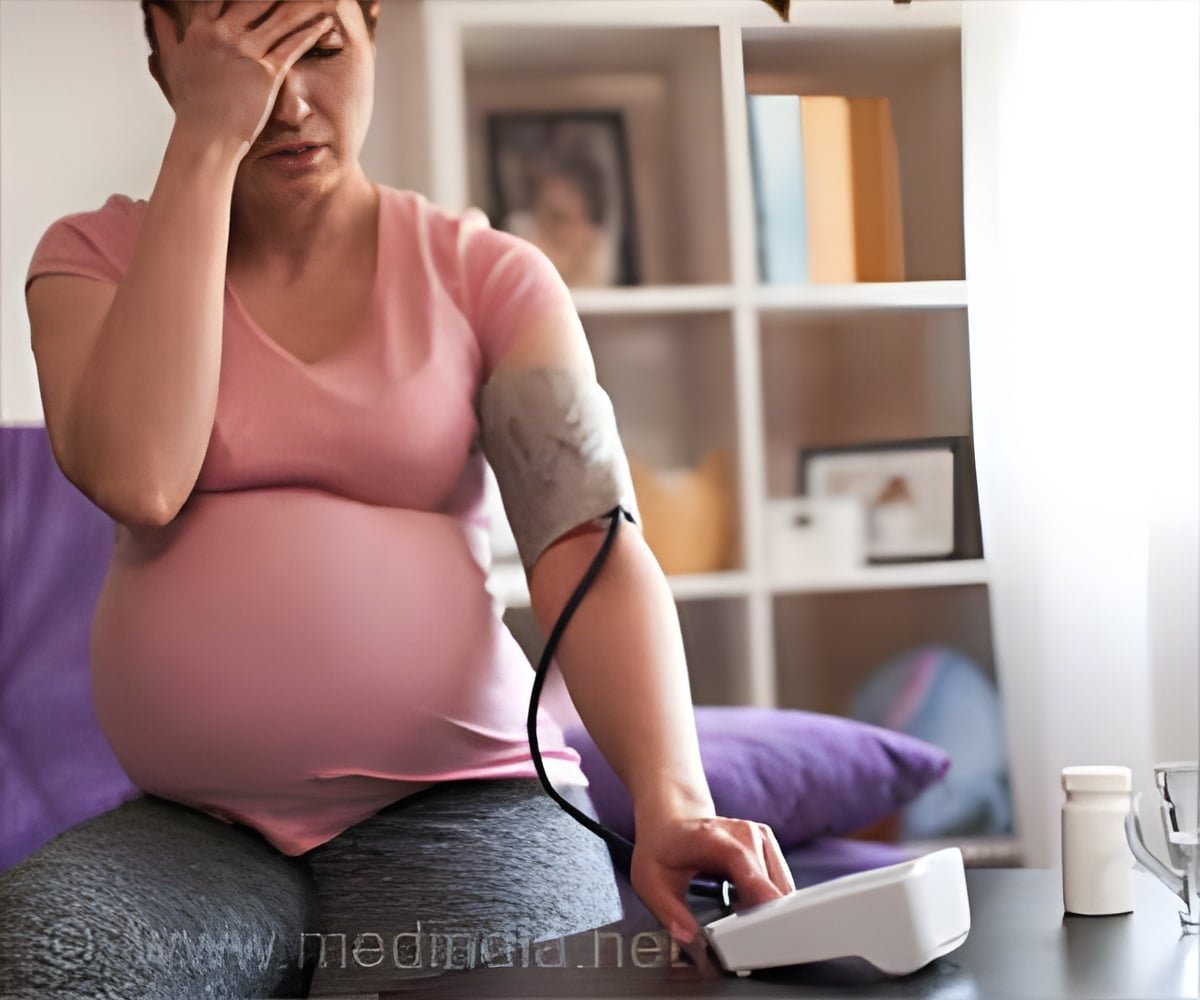
Pregnancy isn’t just about the baby—it’s also a window into your future heart health. A new tool could identify women at higher risk of heart disease earlier, enabling better postpartum care and helping prevent future heart attacks and strokes.
Heart disease risk may begin long before traditional screening detects it. What if pregnancy could predict your future heart health?
Researchers at McGill University have developed a new tool that helps detect women’s risk of heart disease earlier in life.
Findings from a study published in the journal JACC: Advances highlight gaps in existing approaches (1✔ ✔Trusted Source
Development and Validation of a Prediction Model for Cardiovascular Risk in Reproductive-Aged Women
“Heart disease is the leading cause of death in women, yet existing risk tools were developed in older populations and ignore factors unique to women,” said senior author Robert Platt, Professor in the Department of Epidemiology, Biostatistics, and Occupational Health and Director of the School of Population and Global Health.
While pregnancy complications are known to be linked to future heart risk, there has been no way to identify which younger women are most at risk, he added.
Advertisement
Heart Disease in Women: New Tool Detects Risk Before Symptoms Appear
Using health data from more than 260,000 women in the UK aged 15 to 45 who had given birth, researchers developed and validated a prediction model to estimate future heart disease risk. Participants were followed for nearly four years after delivery.
The model identified several factors – not included in existing tools – that can help predict risk, including hypertensive disorders of pregnancy, gestational diabetes, preterm birth, PCOS, depression, thyroid disorders, oral contraceptive use and social deprivation.
Advertisement
Heart Risk Starts Young
The findings suggest some women, particularly younger women often considered low risk, may face a higher risk of heart disease earlier than previously recognized.
Advertisement
Heart Disease Risk Doesn’t Wait for Age
“Millions of women who give birth each year are never considered candidates for cardiovascular risk assessment simply because of their age,” said co-author Kristian Filion, Professor in the Departments of Medicine and of Epidemiology, Biostatistics, and Occupational Health.
Postpartum Heart Health: Earlier Care, Healthier Hearts
If integrated into routine postpartum care, this tool could enable earlier monitoring, lifestyle counselling or referral to a specialist, potentially helping prevent a heart attack or stroke later in life, he added.
The next step is to validate the model in Canada and the United States. In the longer term, the goal is to integrate a practical calculator into electronic health records so higher-risk patients can be identified earlier.
Reference:
- Development and Validation of a Prediction Model for Cardiovascular Risk in Reproductive-Aged Women – (https://www.jacc.org/doi/10.1016/j.jacadv.2026.102760)
Source-Eurekalert