

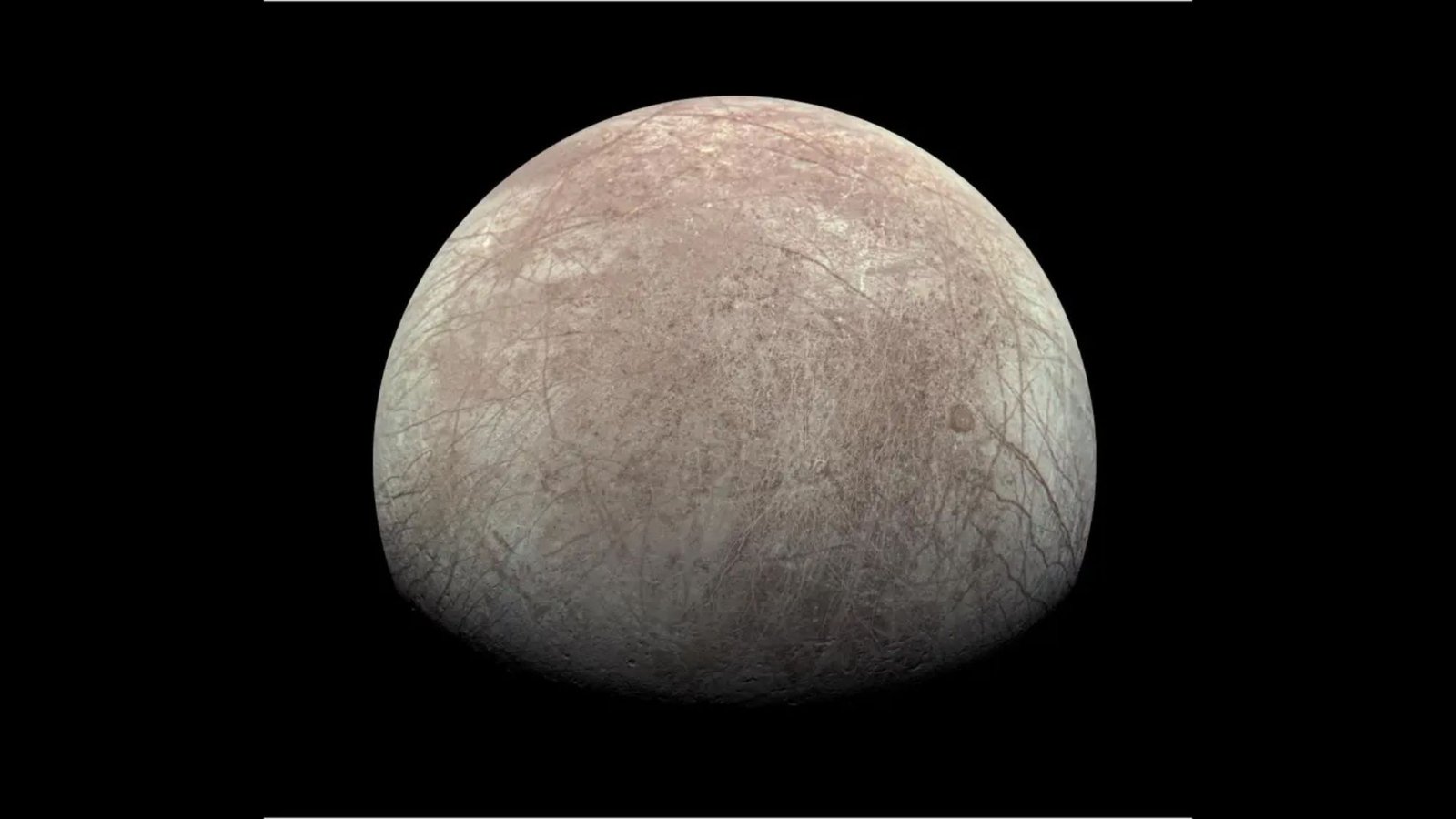
Close Menu

    Subscribe to Updates

    Get the latest news information from worldwide businesses.

    What's Hot

    NFL analyst emphasizes Kyle Shanahan’s importance in 49ers while comparing with LeBron and Steph Curry

    August 3, 2026

    BYD opens Denza Z9S pre-orders with record 1,100 km EV range

    August 3, 2026

    The 6 European Countries That Don’t Use the Euro

    August 3, 2026
    Facebook Instagram YouTube LinkedIn X (Twitter)
    Trending
    • NFL analyst emphasizes Kyle Shanahan’s importance in 49ers while comparing with LeBron and Steph Curry
    • BYD opens Denza Z9S pre-orders with record 1,100 km EV range
    • The 6 European Countries That Don’t Use the Euro
    • Two deadly flowers could inspire powerful new medicines
    • Can Better Sleep Help Manage Overactive Bladder?
    • Spider-Man and The Odyssey are splitting up IMAX screens after a record-breaking weekend
    • AWS is helping vibe-coding startup Superblocks, and the implications are big
    • Bike ambulance framework in the works, rollout from 2027
    Newspublicly
    • About Us
    • Advertise & Partner with us
    • Pitch Your Story
    • Contact Us
    Facebook Instagram LinkedIn X (Twitter)
    Subscribe
    • Home
    • World News
      • Asia
      • India
      • USA
      • UK & Europe
      • Middle East
    • Economy & Business
      • Global Economy
      • Corporate & Industry
      • Finance & Markets
      • Policy & Trade
    • Technology
      • Gadgets & Devices
      • Software & Apps
      • AI & Machine Learning
      • Robotics & Automation
    • Health & Medicine
      • Fitness & Nutrition
      • Research & Innovation
      • Disease & Treatment
      • Doctors, Clinics & Patient Care
    • Travel & Tourism
    • Automobile
      • Electric & Hybrid Vehicles
      • Auto Industry Insights
    • Sports
    • More
      • Education
      • Real Estate
      • Environment & Climate
      • Space & Astronomy
      • War & Conflicts
    Newspublicly
    Home»More»Space & Astronomy»Jupiter’s moon Europa may have signs of life in its buried ocean — but can we get to them?
    Space & Astronomy

    Jupiter’s moon Europa may have signs of life in its buried ocean — but can we get to them?

    AdminBy AdminAugust 3, 2026No Comments4 Mins Read0 Views
    Share
    Facebook Twitter LinkedIn Copy Link WhatsApp


    NASA’s Europa Clipper is currently on a 1.8-billion-mile journey to Jupiter, tasked with assessing whether the icy moon of its namesake, Europa, could support life.

    Based on data from the historic Voyager and Galileo missions, scientists know Europa hides a global ocean beneath its frozen crust, containing more than double the water of all Earth‘s oceans combined. During the Europa Clipper‘s planned 49 close flybys of the icy moon, planetary scientists hope the spacecraft detects giant water plumes or warm surface pockets supplied by this subterranean ocean, offering a convenient way to analyze the hidden ocean’s chemistry from orbit.

    A new study, however, suggests any shallow water the Europa Clipper detects may not necessarily be a direct window into Europa‘s ocean after all.

    Research led by planetary scientist Lujendra Ojha of Rutgers University indicates that Europa’s icy shell acts as a far more formidable barrier than previously assumed. Computer simulations modeling the physics of water traveling through fractures in the ice reveal that liquid rising from the ocean would move turbulently, shed heat rapidly and freeze the cracks shut — often in a matter of hours — long before reaching shallow depths.

    “There’s an icy shell, there’s water underneath, and there’s all this speculation about how that water can come from deep underground and make its way all the way up without freezing en route,” Ojha said in a statement. “That’s really what we think we disproved.”


    You may like

    To test this scenario, Ojha’s team built computer simulations to evaluate whether ocean water could rise through fractures in the crust and collect in shallow reservoirs closer to the surface. Such reservoirs, if fed directly by the ocean, would be significantly easier for passing spacecraft to detect and analyze than an ocean buried miles below.

    While earlier models assumed water would flow smoothly through these pathways, real-world physics creates a far more chaotic journey, according to the new study. Instead of a steady stream, rising water churns turbulently against the frigid walls of the fractures, rapidly losing heat.

    Space

    “It’s going to be left and right, it’s going to be up and down, it’s going to have a swirling motion,” Ojha said in the statement. “And when that happens, that liquid water is going to cool very, very fast as it approaches the surface.”
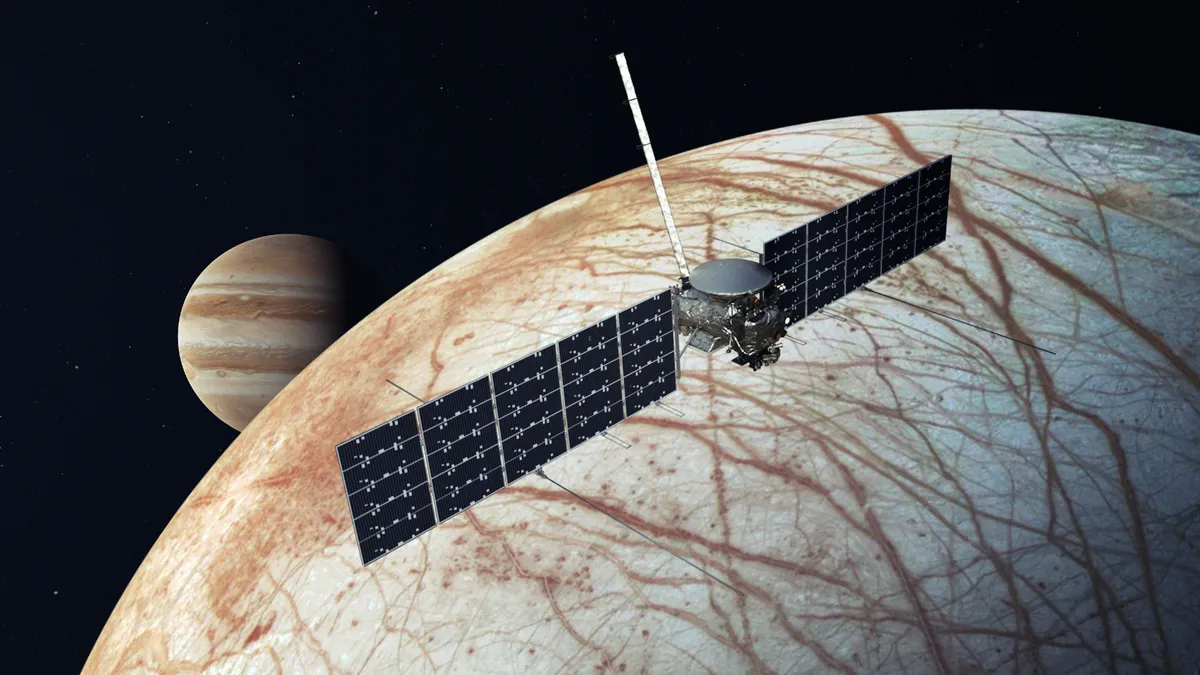
    A small spacecraft with solar panel wings flying above a white world with some streaks of reddish orange on it. In the back, you can see Jupiter.

    An artist’s illustration of Europa Clipper spacecraft flying above Jupiter’s icy moon Europa. (Image credit: NASA/JPL-Caltech)

    As the water rapidly cools, it remains liquid below its standard freezing point in a process called supercooling. This phenomenon, the study notes, triggers the formation of tiny, slushy ice crystals known as frazil ice that then quickly builds up and clogs the pathway.

    While wider fractures could theoretically carry larger volumes of water, the results suggest that to prevent complete freezing, those channels would need to be “unrealistically long or occur in large numbers,” the university statement read.


    What to read next

    The findings could alter how scientists interpret incoming data from Europa Clipper, which is scheduled to arrive at Jupiter in April 2030, as well as the European Space Agency’s Jupiter Icy Moons Explorer (JUICE) mission. JUICE is set to arrive in July 2031 to study Jupiter alongside three of its ocean-bearing moons, Europa, Ganymede and Callisto.

    If these spacecraft do discover shallow liquid pools or similar surface features, Ojha’s study suggests they are more likely created by localized melting inside the ice shell itself, rather than direct upwellings from the deep ocean.

    “This helps future missions interpret what they find and better understand where to look for signs of habitability,” Ojha said in the statement.

    This research is described in a paper published July 23 in the journal Nature Astronomy.


    Source link

    Author

    • Admin

      NewsPublicly.com is News & Articles Platform that creating SEO-focused articles on travel, lifestyle, and digital trends.

    Admin
    • Website

    NewsPublicly.com is News & Articles Platform that creating SEO-focused articles on travel, lifestyle, and digital trends.

    Related Posts

    Is the Nocs Provisions Lite View spotting scope suitable for stargazing?

    August 3, 2026

    3 moons of Neptune may be remnants of ice worlds shattered in a catastrophic crash

    August 3, 2026

    On this day in space! Aug. 3, 2004: NASA launches MESSENGER spacecraft to orbit Mercury

    August 3, 2026
    Leave A Reply Cancel Reply

    Demo
    Top Posts

    The Blue Moon rises on May 30— Where and when to see the second full moon of the month

    May 30, 202640 Views

    New SOCOM rifle allows barrel swapping and cartridge changes

    June 1, 202633 Views

    “Inside Gemini Robotics 1.5: How Robots Learn to Reason & Act

    November 22, 202527 Views

    525 pounds of cocaine seized after Nebraska K9 alerts troopers on I-80

    May 28, 202624 Views
    Don't Miss

    NFL analyst emphasizes Kyle Shanahan’s importance in 49ers while comparing with LeBron and Steph Curry

    August 3, 20262 Mins Read0 Views

    San Francisco 49ers coach Kyle Shanahan continues his recovery from a serious car accident on…

    BYD opens Denza Z9S pre-orders with record 1,100 km EV range

    August 3, 2026

    The 6 European Countries That Don’t Use the Euro

    August 3, 2026

    Two deadly flowers could inspire powerful new medicines

    August 3, 2026
    Stay In Touch
    • Facebook
    • Twitter
    • Instagram
    • YouTube
    • LinkedIn
    • WhatsApp

    Subscribe to Updates

    Get the latest creative news from SmartMag about art & design.

    Demo
    NEWSPUBLICLY
    Facebook X (Twitter) Instagram LinkedIn

    Home

    • About Us
    • Leadership
    • Advertise & Partner With Us
    • Pitch Your Story
    • Media Kit & Pricing
    • Career
    • FAQs

    Guidelines

    • Editorial & Submission
    • Partnership
    • Advertising & Sponsor
    • Intellectual Property Policy
    • Community & Comment
    • Security & Data Protection
    • Send Your Opinion

    Quick Links

    • Cookie Policy
    • Payment & Billing Terms
    • Refund & Cancellation
    • Copyright Policy
    • Complaint & Support
    • Sitemap
    • Contact Us

    Subscribe Us

    Get the latest news and updates!

    Copyright © 2026 Newspublicly (DIGITALIX COMMUNICATION). All Rights Reserved.
    • Privacy Policy
    • Terms of Use
    • Disclaimer