

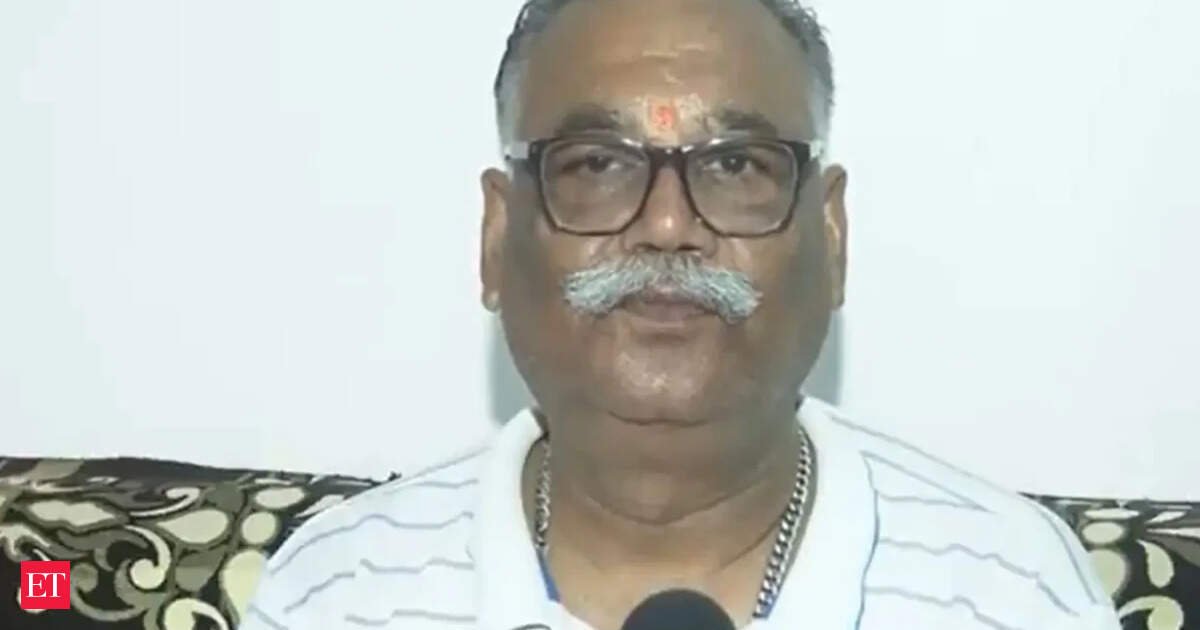
Speaking to ANI, Salwan said, “It (E20 blending) has helped farmers and eased the burden of millers.”
Explaining how the blending program supports the state’s agricultural economy, Salwan noted that paddy serves as the primary “investment crop” for farmers in Punjab.
Also Read: E20 petrol FAQs: Govt clarifies impact on older vehicles, mileage and warranties
“Punjab sees major paddy cultivation. People in Punjab consume less paddy.E20 causes ‘minor’ drop in vehicle mileage, Puri says, as India gears up for E100 fuel As far as paddy cultivation is concerned, about 5 kgs of seed is sown in 1 acre of land. In the case of wheat, about 50 kg of seed is sown. So, this is a saving for farmers,” Salwan said.

He further added, “Farmers keep wheat for personal consumption. While almost the whole of paddy goes to market for sale, farmers make their investment through paddy crop — purchasing a tractor, building a house or making purchases.”
The E20 blending program is part of the central government’s strategy to reduce fuel imports and provide a stable market for surplus food grains. By diverting excess paddy and broken rice toward ethanol production, the initiative ensures that farmers receive timely payments and a consistent demand for their produce.Also Read: E20 causes ‘minor’ drop in vehicle mileage, Puri says, as India gears up for E100 fuel
Meanwhile, Aam Aadmi Party national convenor Arvind Kejriwal on Saturday announced that he would lead a march to Prime Minister Narendra Modi’s official residence on August 4, escalating his campaign against the government’s E20 policy. Kejriwal put forward three demands on the issue to the Centre: there should be an option for E20 and pure petrol at petrol pumps, E20 should be cheaper than pure petrol, and the price of petrol should be less than 84 rupees/litre.
The march would be the latest escalation in AAP’s campaign against the Centre’s E20 fuel policy.