

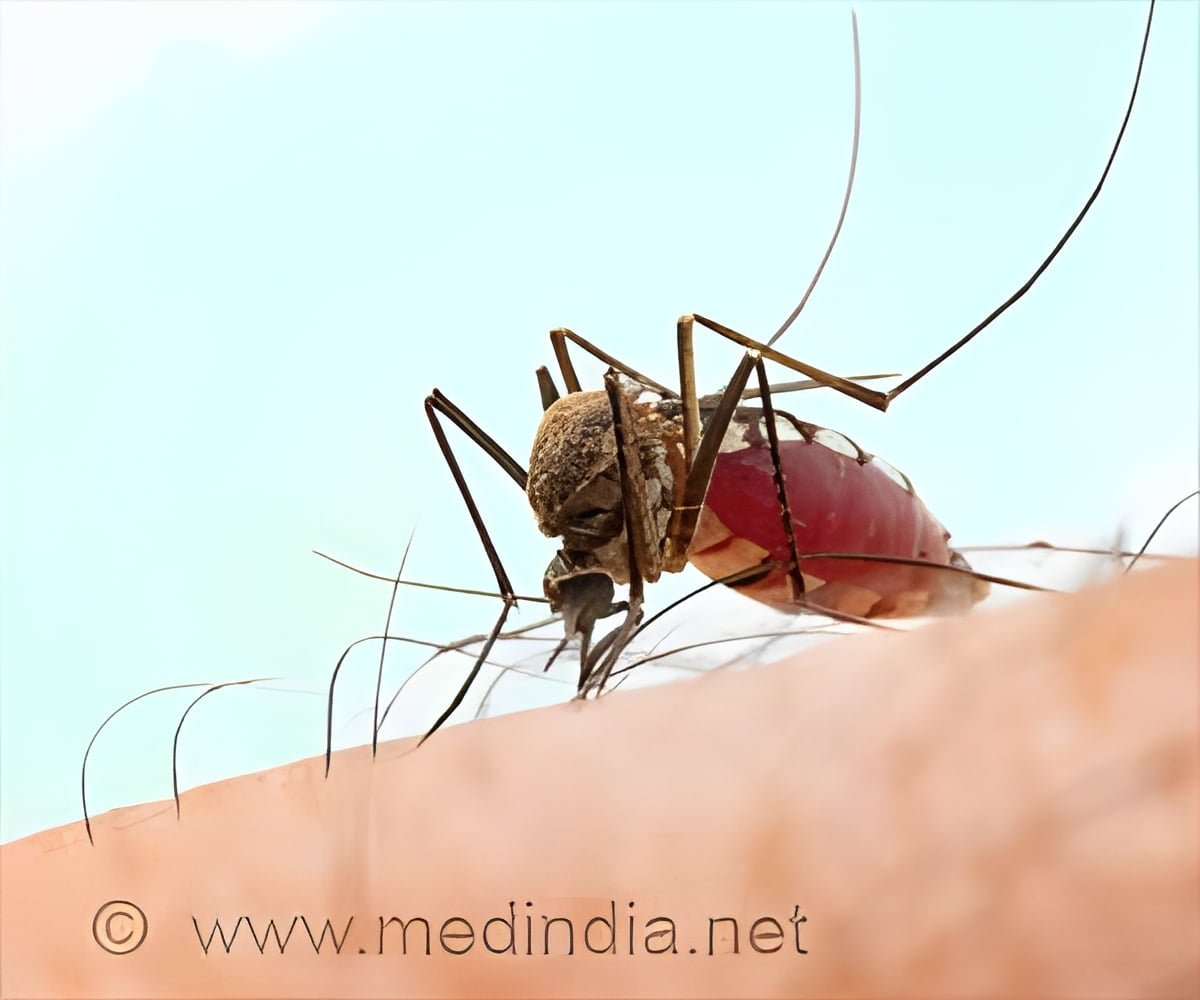
Ottawa detects its first West Nile virus-positive mosquito pools of 2026, prompting renewed focus on mosquito bite prevention and public awareness.
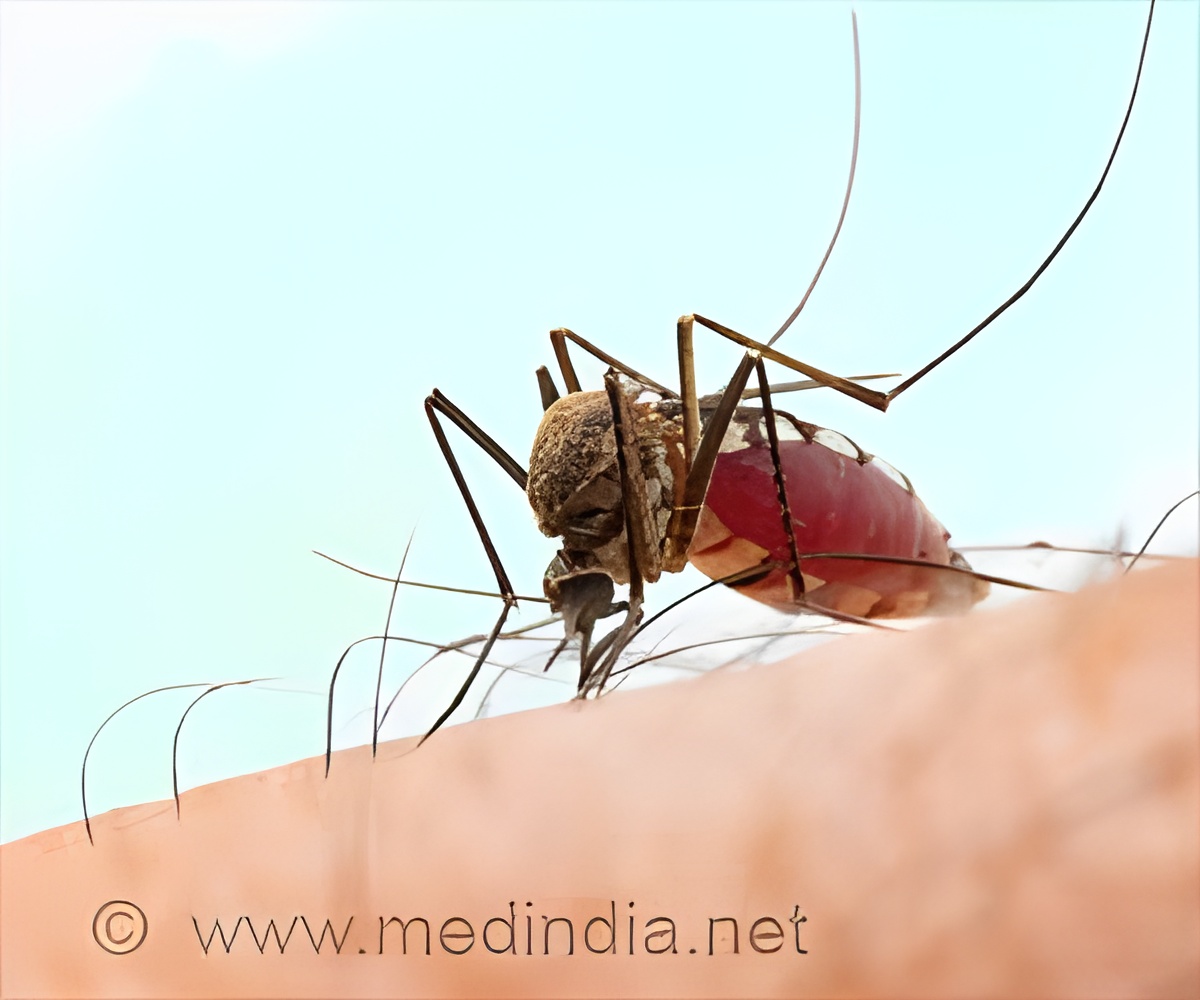
The first West Nile virus-positive mosquitoes of the 2026 season have now been detected in Ottawa, marking the return of the mosquito-borne virus to the city. Ottawa Public Health confirmed that two mosquito pools collected on July 26 tested positive, indicating that the virus is actively circulating among local mosquitoes even though no human cases have been reported so far. The finding serves as an early reminder that simple steps to avoid mosquito bites can help lower exposure while the city’s surveillance program continues to closely monitor the situation (1✔ ✔Trusted Source
First mosquitoes test positive for West Nile virus this season
).
Advertisement
Ottawa Confirms First West Nile Virus-Positive Mosquito Pools of 2026
West Nile virus (WNV) is spread to humans through the bite of an infected mosquito. In Ottawa, the virus is primarily carried by Culex pipiens, a mosquito species that commonly breeds in urban neighborhoods where standing water is available. The confirmation of virus-positive mosquito pools shows that infected mosquitoes are present in the community, although it does not indicate that human infections have occurred.
Advertisement
West Nile Virus Symptoms: What Happens After an Infected Mosquito Bite?
Most people infected with West Nile virus do not develop symptoms. About 20 percent may experience a mild illness that can include fever, headache, body aches, nausea, vomiting, skin rash, or swollen lymph nodes. Fewer than 1 percent of infected individuals develop severe disease affecting the brain, including meningitis or encephalitis, which may become life-threatening.
Advertisement
Who Is Most at Risk of Severe West Nile Virus Infection?
Adults aged 50 years and older and people with weakened immune systems are at greater risk of severe illness. Warning signs may include high fever, severe headache, stiff neck, confusion, muscle weakness, tremors, seizures, paralysis, or loss of consciousness. Prompt medical evaluation is important if these symptoms develop following a mosquito bite.
How to Reduce the Risk of West Nile Virus During Mosquito Season
Ottawa Public Health encourages residents to protect themselves by using approved insect repellents, wearing long-sleeved clothing and long pants when mosquitoes are most active, and ensuring window and door screens remain in good condition. Removing standing water from containers such as flowerpots, bird baths, buckets, toys, and clogged gutters also helps reduce mosquito breeding around homes.
The detection of virus-positive mosquito pools is an important part of Ottawa’s seasonal surveillance program, allowing public health officials to track virus activity and keep residents informed. With continued monitoring and simple preventive measures, communities can stay prepared throughout mosquito season while helping reduce the risk of West Nile virus infection.
Reference:
- First mosquitoes test positive for West Nile virus this season – (https://ottawa.ca/en/city-hall/city-news/newsroom/first-mosquitoes-test-positive-west-nile-virus-season-2)
Source-Medindia