

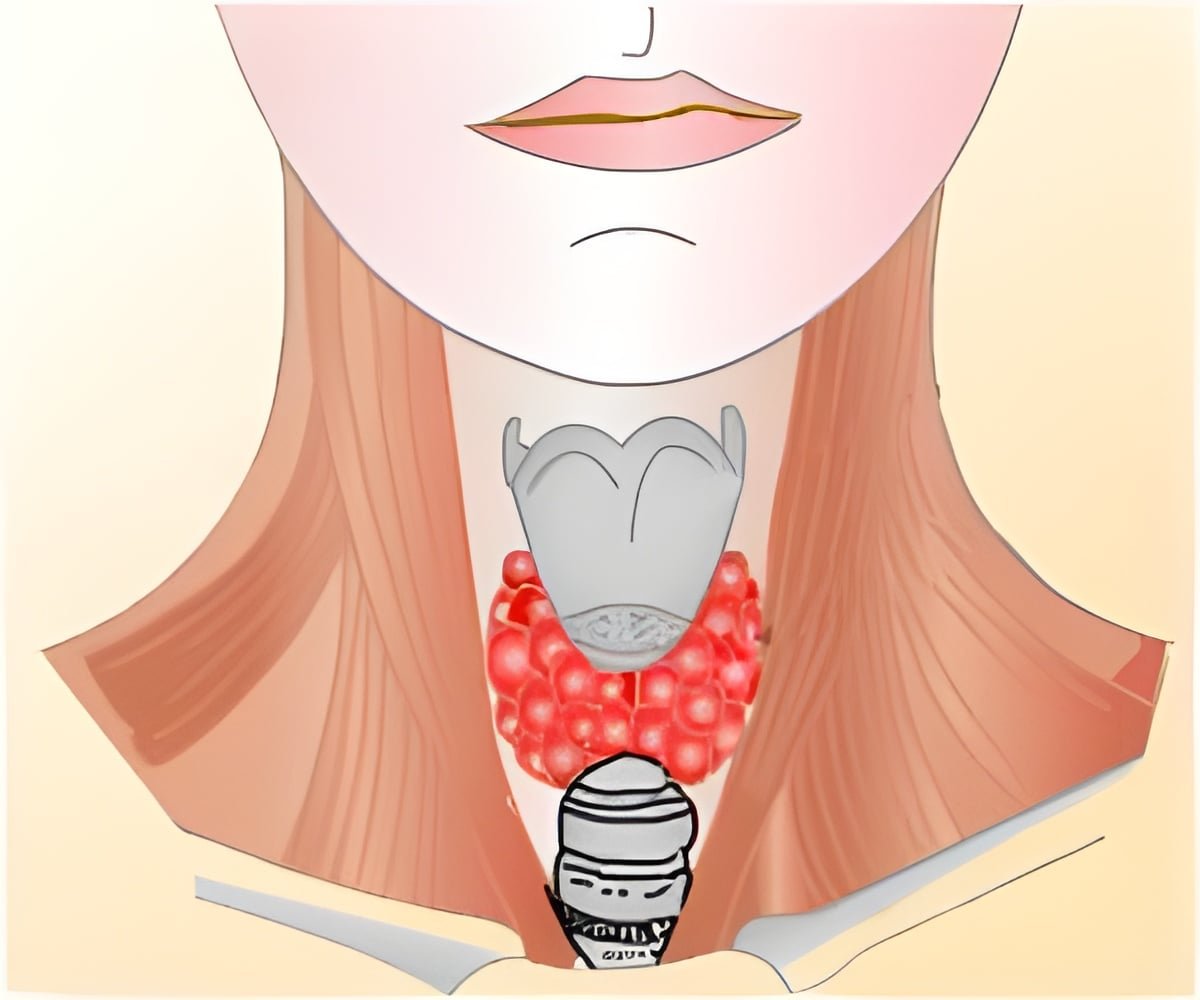
Thyroid autoantibodies are more common in women with infertility, highlighting an often-overlooked connection between thyroid autoimmunity and reproductive health.
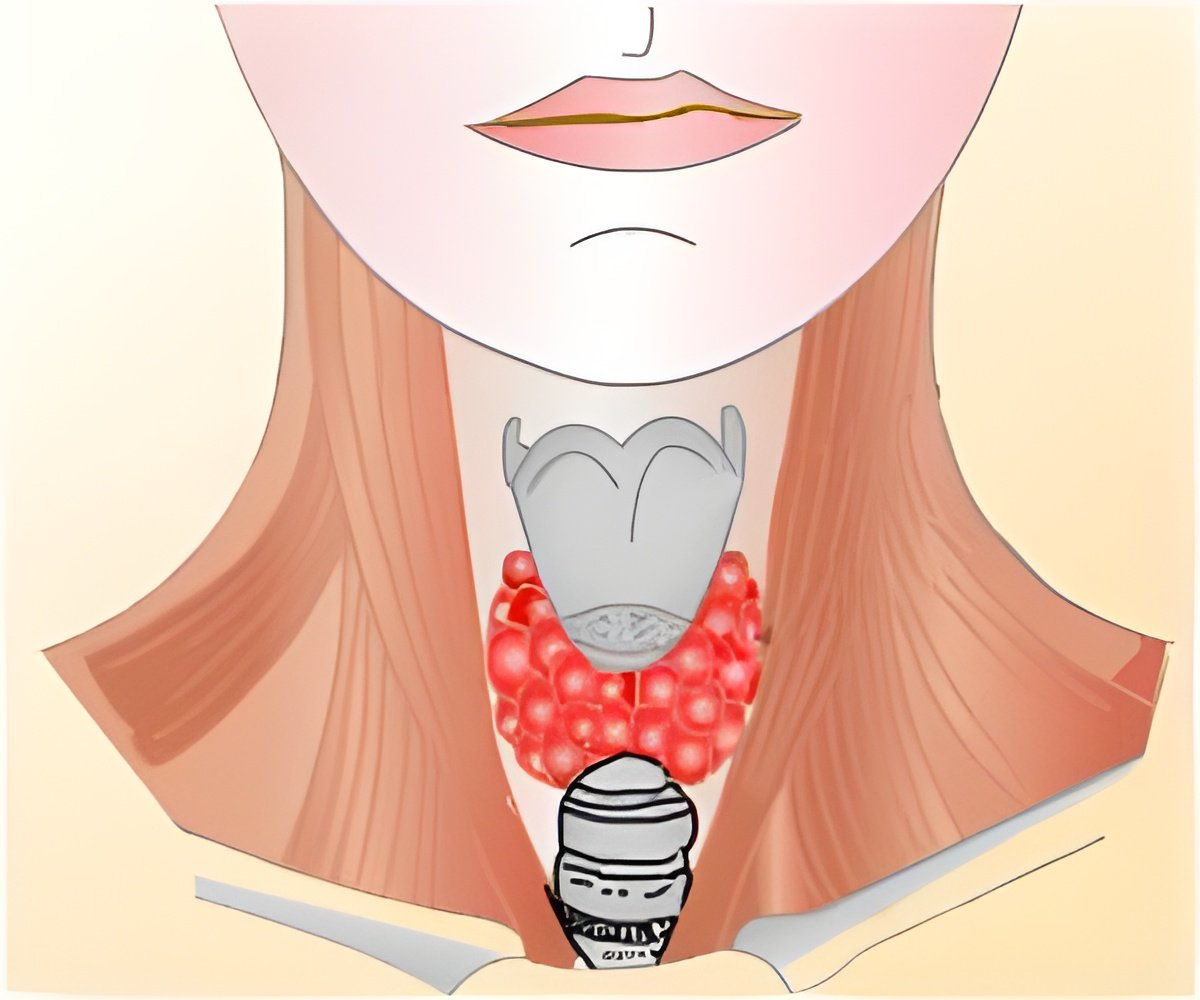
- Thyroid autoantibodies are more prevalent among women with infertility
- Thyroid autoimmunity can occur despite normal thyroid function
- Higher antibody prevalence is also seen with recurrent miscarriage
For some women struggling to conceive, thyroid hormone levels may appear normal, yet thyroid-related antibodies may still be present.
A systematic review and meta-analysis published in BMC Women’s Health highlights how thyroid autoimmunity (TAI) is more commonly detected among women with infertility than among healthy women(1✔ ✔Trusted Source
Prevalence of thyroid autoantibody positivity in women with infertility: a systematic review and meta-analysis
).
The analysis combined 48 studies involving 33,475 women with infertility and found that 20% tested positive for thyroid autoantibodies. In 11 studies directly comparing women with infertility with healthy controls, thyroid autoantibody positivity was 51% more prevalent in the infertility group.
It was also more prevalent among women with recurrent spontaneous abortion, those without recurrent abortion, women receiving assisted reproductive technology (ART), and women not receiving ART.
Among euthyroid women with infertility, thyroid autoantibody positivity was 2.77 times as prevalent as in healthy controls.
Advertisement
Thyroid Autoimmunity Can Exist With Normal Thyroid Function
Thyroid autoimmunity occurs when the immune system produces antibodies directed against components of the thyroid. The review assessed antibodies including thyroid peroxidase antibodies (TPOAb) and thyroglobulin antibodies (TgAb).
One of the notable observations was that thyroid autoantibodies were more common even among women classified as euthyroid, meaning their thyroid function was otherwise normal.
A woman undergoing fertility evaluation could therefore have normal thyroid function while still testing positive for thyroid autoantibodies. This distinction helps explain why thyroid autoimmunity and thyroid dysfunction should not be treated as interchangeable terms.
Advertisement
Thyroid Autoantibodies Are Linked to Different Types of Infertility
Higher thyroid autoantibody positivity was not confined to a single infertility diagnosis. Compared with healthy controls, greater prevalence was observed among women with:
- Unexplained infertility
- Endometriosis
- Ovulation disorders
- Fallopian tube factors
The pattern was also seen across women receiving fertility treatment as well as those not receiving ART.
For a woman whose infertility remains unexplained after evaluation, these results add thyroid autoimmunity to the broader picture clinicians may consider. Importantly, however, an association does not mean thyroid antibodies are necessarily the cause of infertility.
As Huang and colleagues state, “Although TAI is not a direct cause of infertility,” positive thyroid autoantibodies have been widely reported among women with infertility.
Advertisement
Thyroid Autoimmunity and Recurrent Miscarriage Show an Association
The analysis also examined women with recurrent spontaneous abortion. Thyroid autoantibody positivity was more prevalent in this group than among healthy controls.
This does not mean that thyroid autoantibodies caused the pregnancy losses. Rather, the review identifies an association that may be clinically relevant when infertility and recurrent miscarriage overlap.
That distinction matters in everyday fertility care. A positive antibody test may provide another piece of information, but the results cannot by themselves explain why an individual woman has difficulty conceiving or experiences pregnancy loss.
Thyroid Antibody Screening May Matter in Infertility Care
The authors conclude that screening for thyroid antibodies is clinically important in patients with infertility.
At the same time, the review reported substantial variation among the studies used to estimate overall prevalence. Differences in populations and study characteristics mean the 20% pooled figure should be understood as a combined estimate rather than a rate that will apply to every population.
The larger message is more nuanced than simply linking “thyroid problems” with infertility. Thyroid autoimmunity can be present even when thyroid function is normal, making antibodies a separate part of the thyroid-fertility relationship that may otherwise remain unnoticed.
For women navigating infertility, discussing thyroid autoantibody screening with a healthcare professional may help ensure this often-overlooked aspect of thyroid health is considered during fertility evaluation.
Frequently Asked Questions
Q: Can thyroid autoimmunity cause infertility in women?
A: Thyroid autoimmunity is more common in women with infertility, but the review does not establish it as a direct cause.
Q: Can thyroid antibodies affect fertility even with normal thyroid levels?
A: Yes, thyroid autoantibodies were more prevalent among euthyroid women with infertility than among healthy controls.
Q: Are thyroid antibodies linked to recurrent miscarriage?
A: Thyroid autoantibody positivity was more prevalent among women with infertility and recurrent spontaneous abortion than among healthy controls.
Q: Should women with infertility be screened for thyroid antibodies?
A: The review authors conclude that screening for thyroid autoantibodies in women with infertility is clinically important.
Q: Are thyroid antibodies linked to unexplained infertility?
A: Yes, thyroid autoantibody positivity was more prevalent in women with unexplained infertility than in healthy controls.
Reference:
- Prevalence of thyroid autoantibody positivity in women with infertility: a systematic review and meta-analysis – (https://pubmed.ncbi.nlm.nih.gov/39604908/)
Source-Medindia