

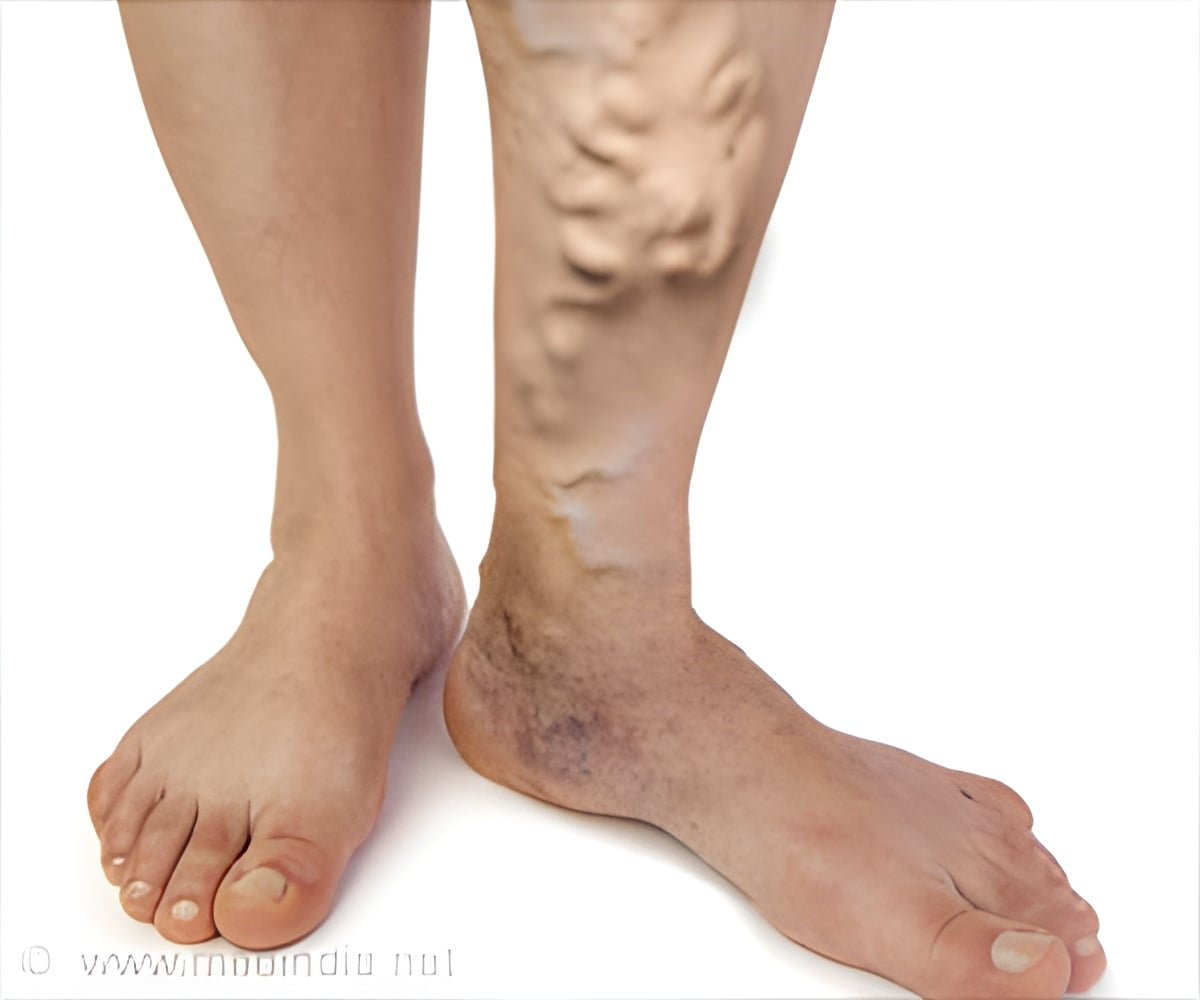
Compression stockings can help relieve pain, swelling, and heaviness caused by varicose veins, but they do not cure the condition. Learn how they work, who should use them, and when minimally invasive treatment may be needed.
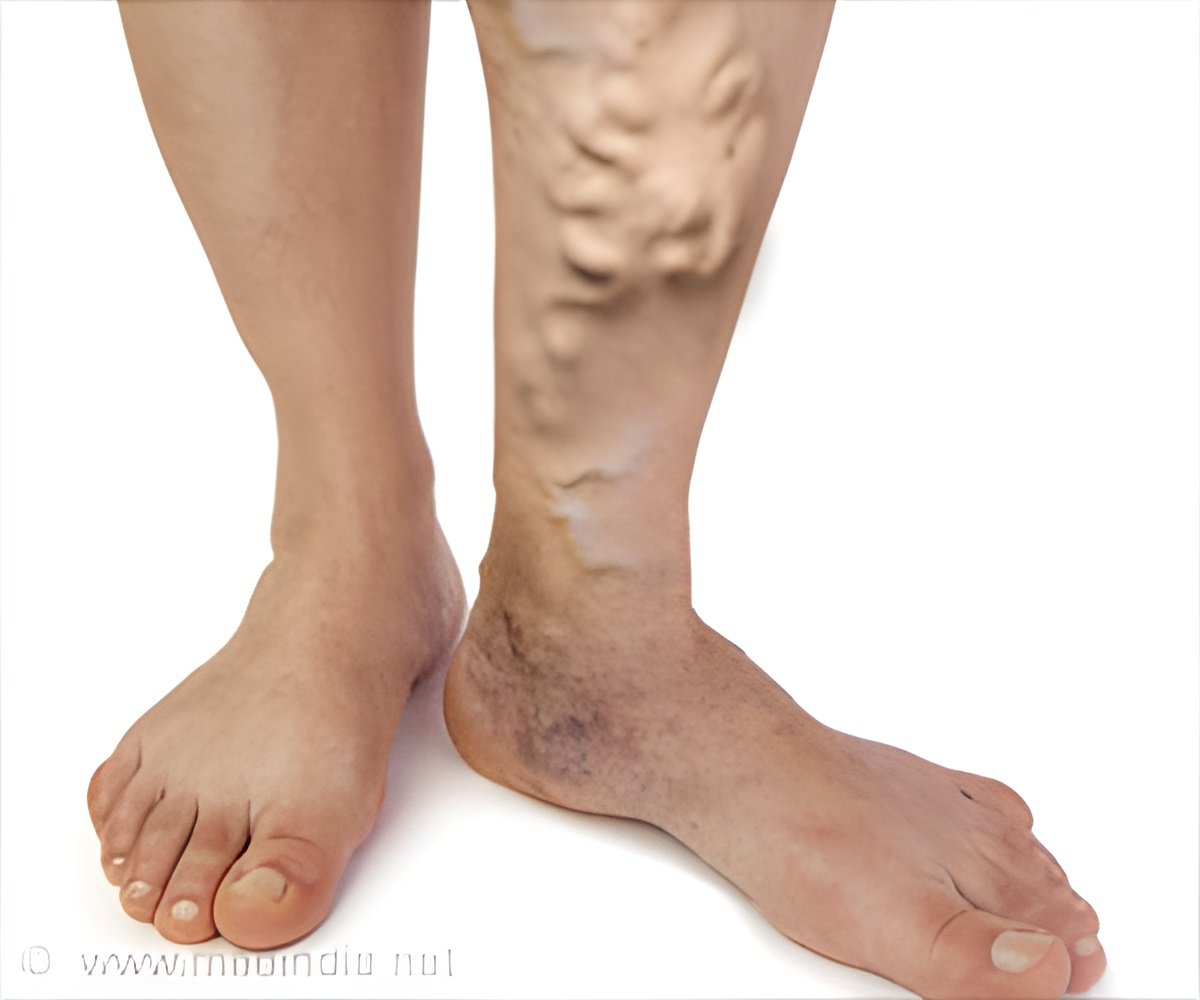
- Varicose vein stockings, also called compression stockings, help relieve pain, swelling, heaviness, and tired legs
- They improve blood circulation but cannot repair damaged vein valves or remove existing varicose veins
- Walking, leg elevation, and maintaining a healthy weight can complement compression therapy, while persistent symptoms may require minimally invasive treatment
Varicose veins are enlarged, twisted veins that usually appear on the legs and feet. They develop when tiny one-way valves inside the veins become weak or damaged. Instead of flowing efficiently back to the heart, blood begins to pool in the veins, causing them to enlarge and become visible beneath the skin (1✔ ✔Trusted Source
Graduated compression stockings for the initial treatment of varicose veins in people without venous ulceration
).
Although many people consider varicose veins a cosmetic concern, they can also cause aching, heaviness, swelling, itching, night cramps, and leg fatigue. In more advanced cases, they may lead to skin changes, bleeding, or leg ulcers.
Advertisement
What Are Varicose Vein Stockings?
Varicose vein stockings are medical compression stockings specially designed to improve blood circulation in the legs.
Unlike ordinary socks, they apply graduated compression, meaning they are tightest around the ankle and gradually become less tight higher up the leg.
This gentle pressure helps push blood upwards towards the heart, reducing blood pooling inside the veins and relieving symptoms associated with chronic venous disease.
Advertisement
How Do Varicose Vein Stockings Work?
Healthy leg veins rely on one-way valves to prevent blood from flowing backwards.
When these valves weaken, blood collects inside the veins instead of returning efficiently to the heart.
Compression stockings work by applying external pressure to support the veins and calf muscles.
Healthy Veins vs Varicose Veins
| Healthy Veins | Varicose Veins |
|---|---|
| Valves close properly | Valves become weak or damaged |
| Blood flows upward | Blood pools inside the vein |
| Normal vein pressure | Increased vein pressure |
| Healthy circulation | Swollen, enlarged veins |
By reducing the diameter of the veins and supporting the calf-muscle pump, compression stockings help improve circulation and reduce symptoms—but they do not fix the damaged valves.
Advertisement
Do Varicose Vein Stockings Really Work?
Yes, but only for symptom relief. Research consistently shows that compression stockings reduce:
- Leg pain
- Swelling
- Heaviness
- Aching
- Tiredness
Several clinical trials and international guidelines recommend them as a first-line conservative treatment for people with symptomatic varicose veins.
However, they do not:
- Cure varicose veins
- Repair damaged vein valves
- Remove existing varicose veins
- Reliably stop the disease from progressing
Studies comparing compression stockings with surgical or minimally invasive procedures have found that while stockings improve symptoms, definitive treatments generally provide greater long-term improvements in quality of life and disease severity.
Research Confirms: Do Compression Stockings Really Help Varicose Veins?
| Question | Answer |
|---|---|
| Do they reduce pain? | Yes |
| Do they reduce swelling? | Yes |
| Do they reduce heaviness? | Yes |
| Do they improve circulation? | Yes |
| Do they repair damaged valves? | No |
| Do they remove varicose veins? | No |
| Do they cure the condition? | No |
When Should You Wear Varicose Vein Stockings?
Doctors usually recommend wearing compression stockings:
- First thing in the morning
- Before getting out of bed
- Throughout the day
- Removing them before bedtime unless advised otherwise
Putting them on before swelling develops makes them more effective and easier to wear. Proper fit is essential. Stockings that are too loose may not provide enough compression, while those that are too tight can be uncomfortable or difficult to use (2✔ ✔Trusted Source
8 Conservative Management
).
Can Walking and Exercise Help Varicose Veins?
Yes. Compression stockings work best when combined with healthy lifestyle habits.
Lifestyle Changes That Can Improve Varicose Vein Symptoms
| Lifestyle Habit | Benefit |
|---|---|
| Walking | Activates the calf-muscle pump |
| Cycling | Improves circulation |
| Swimming | Low-impact exercise for leg veins |
| Calf raises | Strengthens calf muscles |
| Leg elevation | Reduces swelling |
| Healthy weight | Reduces pressure on leg veins |
| Avoid prolonged standing or sitting | Prevents blood pooling |
These measures improve symptoms but cannot reverse existing valve damage.
Do Creams or Apple Cider Vinegar Help to Treat Varicose Vein?
Many creams, herbal remedies, and home treatments claim to remove varicose veins.
However, there is no strong scientific evidence that creams, herbal products, or apple cider vinegar can repair damaged vein valves or eliminate varicose veins.
While some products may temporarily soothe the skin, they do not treat the underlying cause of the condition.
When Should You See a Doctor If You Have Varicose Vein?
Although many people manage mild symptoms conservatively, medical evaluation is important if you notice:
- Persistent or worsening pain
- Significant leg swelling
- Skin discolouration around the ankle
- Eczema over varicose veins
- Bleeding from a varicose vein
- Non-healing leg ulcers
- Sudden swelling of one leg
- Redness, warmth, or severe tenderness
These symptoms may indicate complications or another vascular condition requiring prompt treatment.
What Treatments Can Fix Varicose Veins?
If compression stockings no longer provide adequate relief, several minimally invasive treatments are available.
These include:
- Endovenous laser ablation (EVLA) – seals the damaged vein using laser energy.
- Radiofrequency ablation (RFA) – closes the vein using controlled heat.
- Ultrasound-guided foam sclerotherapy – injects a special foam to collapse the vein.
- Medical adhesive closure – seals the vein with a medical-grade adhesive.
These procedures target the faulty vein itself and generally offer faster recovery than traditional surgery.
Varicose Vein Stockings vs Medical Treatment
| Varicose Vein Stockings | Minimally Invasive Treatment |
|---|---|
| Reduce pain and swelling | Treat damaged veins |
| Improve circulation | Correct the underlying problem |
| Non-invasive | Minimally invasive |
| Temporary symptom relief | Long-term symptom improvement |
| Do not cure varicose veins | Can eliminate the affected vein |
Who Is More Likely to Develop Varicose Veins?
Your risk increases if you:
- Have a family history of varicose veins
- Are pregnant
- Are overweight or obese
- Spend long hours standing or sitting
- Are getting older
- Are physically inactive
- Have previously injured your leg veins
Having one or more of these risk factors does not mean you will definitely develop varicose veins, but it does increase your likelihood.
What This Means for You
Varicose vein stockings remain one of the most effective non-surgical ways to relieve pain, swelling, heaviness, and leg fatigue caused by varicose veins.
They improve blood circulation and help many people stay active and comfortable. However, they should be viewed as a symptom-management tool rather than a cure.
If symptoms worsen, interfere with daily life, or are accompanied by skin changes, ulcers, or bleeding, consult a vascular specialist. Modern minimally invasive treatments can address the damaged veins and provide longer-lasting relief.
Frequently Asked Questions
Q: Which doctor should I Consult if I Have Varicose Veins?
A: Varicose veins can be treated by vascular surgeons, phlebologists, interventional radiologists, dermatologists, or general practitioners, depending on the severity and type of vein condition.
Q: Do Varicose Vein Stockings Cure Varicose Veins?
A: No. They relieve symptoms by improving blood circulation but cannot repair damaged vein valves or remove existing varicose veins.
Q: When Should I Wear Varicose Vein Stockings?
A: They are usually best worn first thing in the morning before getting out of bed and removed before bedtime unless advised otherwise by your healthcare provider.
Q: Can I Sleep Wearing Varicose Vein Stockings?
A: Most people are advised to remove them before sleeping unless a doctor recommends overnight use for a specific medical reason.
Q: Can Exercise Reduce Varicose Vein Symptoms?
A: Yes. Walking, swimming, cycling, and calf-strengthening exercises improve circulation and help reduce pain, swelling, and heaviness.
Q: Do Creams or Apple Cider Vinegar Remove Varicose Veins?
A: No. Current evidence does not support these remedies as effective treatments for varicose veins.
Q: When Should I Consider Medical Treatment?
A: If varicose veins cause persistent pain, swelling, bleeding, skin changes, ulcers, or significantly affect your quality of life, consult a vascular specialist to discuss treatment options.
References:
- Graduated compression stockings for the initial treatment of varicose veins in people without venous ulceration
– (https://pubmed.ncbi.nlm.nih.gov/34271595/) - 8Conservative Management – (https://www.ncbi.nlm.nih.gov/books/NBK328015/)
Source-Medindia