

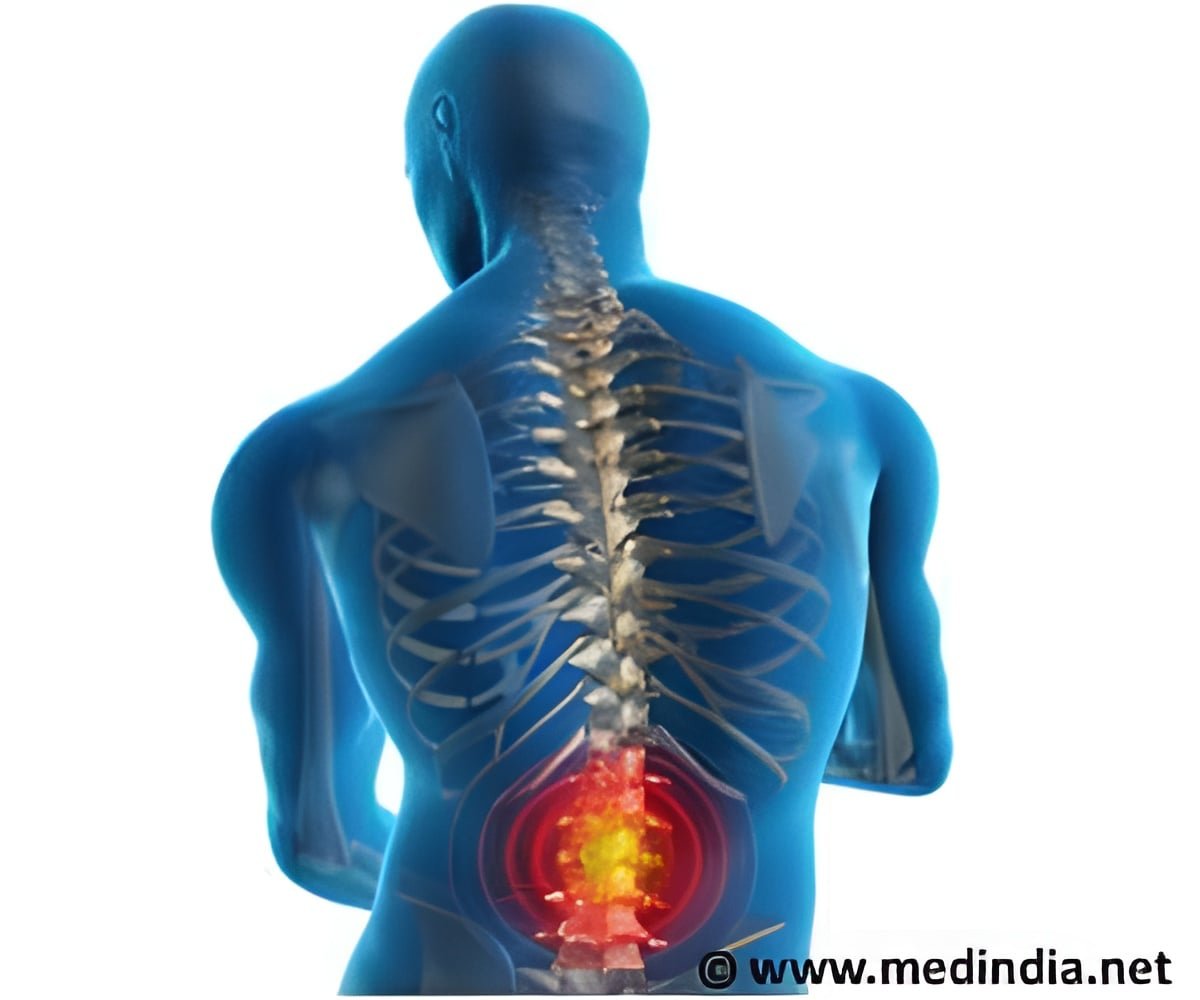
Olympian Lolo Jones says she experienced severe back pain, leg weakness and loss of bladder control after a bobsled injury but did not receive an MRI before competing.
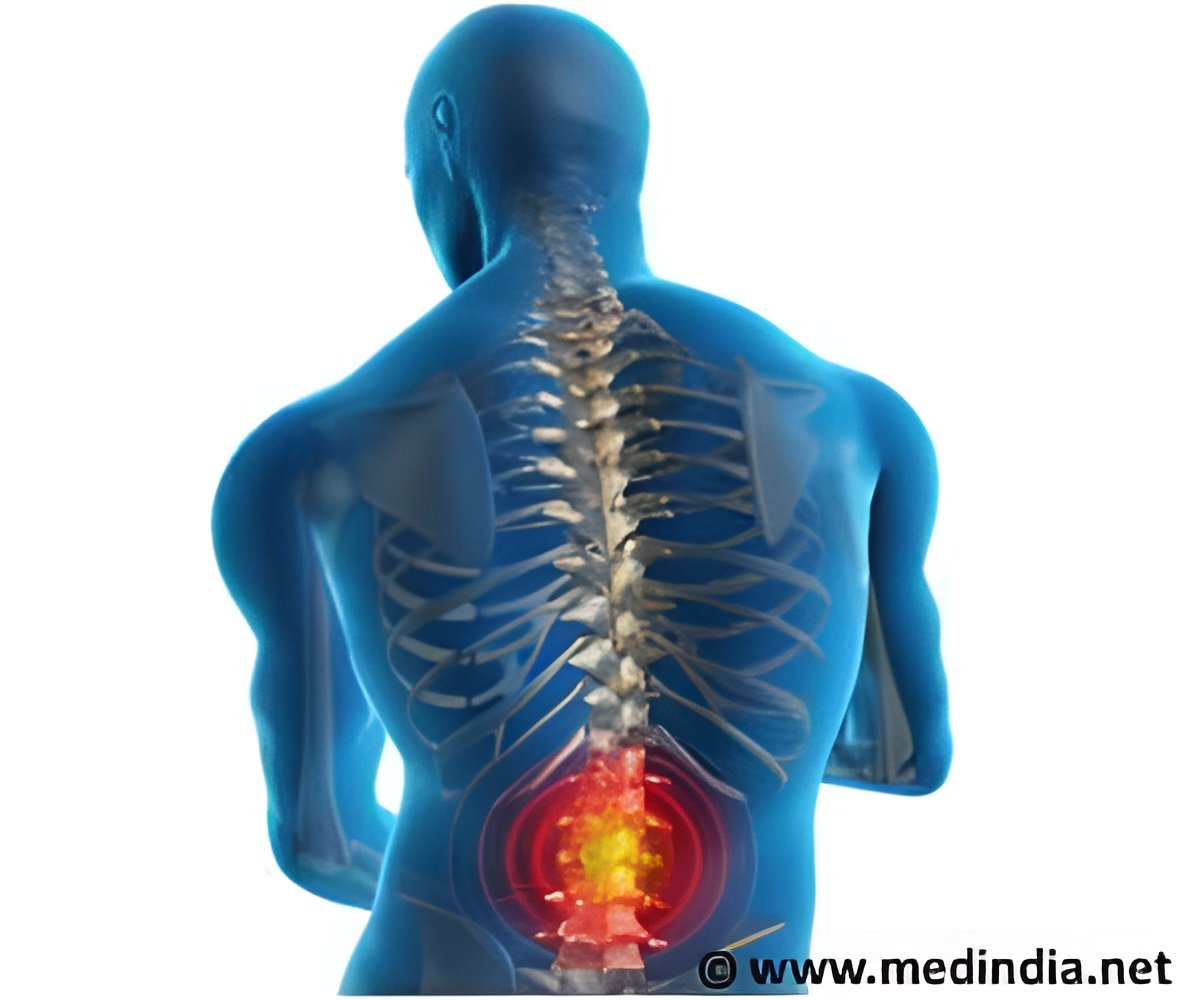
Three-time Olympian Lolo Jones says she faced that risk after sustaining a serious lower-back injury during bobsled training before the 2025 IBSF World Championships in Lake Placid, New York.
The Olympic hurdler and bobsledder said she experienced severe lower-back pain, numbness, leg instability, foot drop and loss of bladder control after testing a new bobsled.
These symptoms can indicate significant nerve compression and may overlap with warning signs of cauda equina syndrome, a rare but serious spinal emergency. However, no publicly available information confirms that Jones was formally diagnosed with the condition.
Jones alleges that she did not receive urgent imaging or a complete medical evaluation before competing in the World Championships.
Advertisement
Serious Symptoms Developed During Bobsled Training
Jones reportedly sustained the injury while testing a new bobsled in a different riding position shortly before the 2025 World Championships.
Bobsled athletes are exposed to substantial forces while accelerating the sled, entering it at speed and travelling through high-speed turns. Jones said she developed intense back pain and neurological symptoms after the training run.
Despite the pain, numbness and leg weakness, she continued preparing for the competition because the extent of her injury had not been diagnosed. Jones later said that she believed she was dealing with a painful but manageable back injury.
Loss of bladder control and foot drop, however, can indicate that nerves controlling the lower limbs and pelvic organs are affected. Medical guidance recommends immediate assessment when these symptoms occur alongside severe or worsening back pain.
Advertisement
MRI Was Not Provided Before Competition
Jones alleges that she sought treatment at the U.S. Olympic Training Center’s sports medicine clinic but did not receive an X-ray or magnetic resonance imaging scan.
“I was never even given an X-ray or an MRI,” she wrote in a public statement.
Reports state that a scheduled treatment appointment had been cancelled. Jones claims she was not referred for urgent spinal imaging despite the symptoms she described. Without a diagnosis, Jones continued competing and completed several high-speed bobsled runs at the World Championships.(1✔ ✔Trusted Source
Olympian Lolo Jones Lost Control of Her Bladder and Broke Her Back, Calls Out USA Bobsled for Actions
“Had my pilot hit a wall, I would be paralyzed today,” she said.
The paralysis risk described by Jones represents her assessment of what could have happened. Publicly available reports do not establish that paralysis was medically inevitable.
Advertisement
Private MRI Revealed Lumbar Spine Damage
After returning home, Jones reportedly paid for an MRI herself.
She said the scan revealed a herniated disc, another disc bulge and multiple injuries affecting the L3, L4 and L5 region of her lumbar spine.
A herniated disc occurs when material inside a spinal disc pushes through its outer layer. If the displaced material compresses nearby nerves, it can cause back pain, numbness, muscle weakness and changes in bladder or bowel function.
Jones subsequently underwent spinal surgery, which she also says she funded herself. She alleges that she was later denied full access to medical, rehabilitation and training facilities at the Olympic Training Center, forcing her to arrange her recovery independently.
The athlete estimates that her surgery, rehabilitation, travel, housing and continued training cost more than $100,000.(1✔ ✔Trusted Source
Olympian Lolo Jones Lost Control of Her Bladder and Broke Her Back, Calls Out USA Bobsled for Actions
These claims come from Jones and published reports. Us Weekly said it contacted USA Bobsled and Skeleton and the U.S. Olympic and Paralympic Committee for comment.
Bladder Dysfunction Is a Spinal Emergency Warning
Loss of bladder control after a lower-back injury requires immediate medical assessment because it may indicate compression of nerves at the base of the spine. The cauda equina is a bundle of nerve roots below the end of the spinal cord. These nerves control movement and sensation in the legs as well as bladder, bowel and sexual function.
Cauda equina syndrome develops when these nerve roots become severely compressed, commonly because of a large herniated disc. Other causes include spinal trauma, infection, tumours, fractures and severe narrowing of the spinal canal.
Warning signs may include:
- New difficulty starting or controlling urination
- Urinary retention or incontinence
- Loss of bowel control
- Numbness around the inner thighs, buttocks or genital region
- Severe or progressive weakness in one or both legs
- Foot drop or difficulty walking
- Severe lower-back pain with neurological symptoms
The American Academy of Orthopaedic Surgeons describes cauda equina syndrome as a surgical emergency that can cause permanent paralysis and lasting bladder or bowel dysfunction without immediate treatment.()
Early MRI Can Prevent Permanent Nerve Damage
MRI is the preferred test for suspected cauda equina syndrome because it can detect herniated discs and nerve compression. If nerve compression is confirmed, urgent surgery may help preserve movement and bladder or bowel function. Delayed diagnosis can result in permanent neurological damage.
Jones Calls for Greater Athlete Medical Accountability
Jones competed in hurdles at the 2008 and 2012 Summer Olympics and in bobsled at the 2014 Winter Olympics. She is calling for greater accountability and faster access to imaging, independent assessment and rehabilitation. Her case reinforces that bladder dysfunction, saddle numbness or progressive leg weakness after a spinal injury requires immediate emergency evaluation.
The case also highlights a broader safety message: loss of bladder control, saddle numbness or progressive leg weakness after a spinal injury should trigger immediate emergency evaluation—not routine treatment or a return to competition.
References:
- Olympian Lolo Jones Lost Control of Her Bladder and Broke Her Back, Calls Out USA Bobsled for Actions (https://www.usmagazine.com/sports/news/how-lolo-jones-lost-control-of-her-bladder-and-broke-her-back/)
- Cauda Equina Syndrome-(https://www.orthoinfo.org/diseases–conditions/cauda-equina-syndrome)
Source-Medindia