

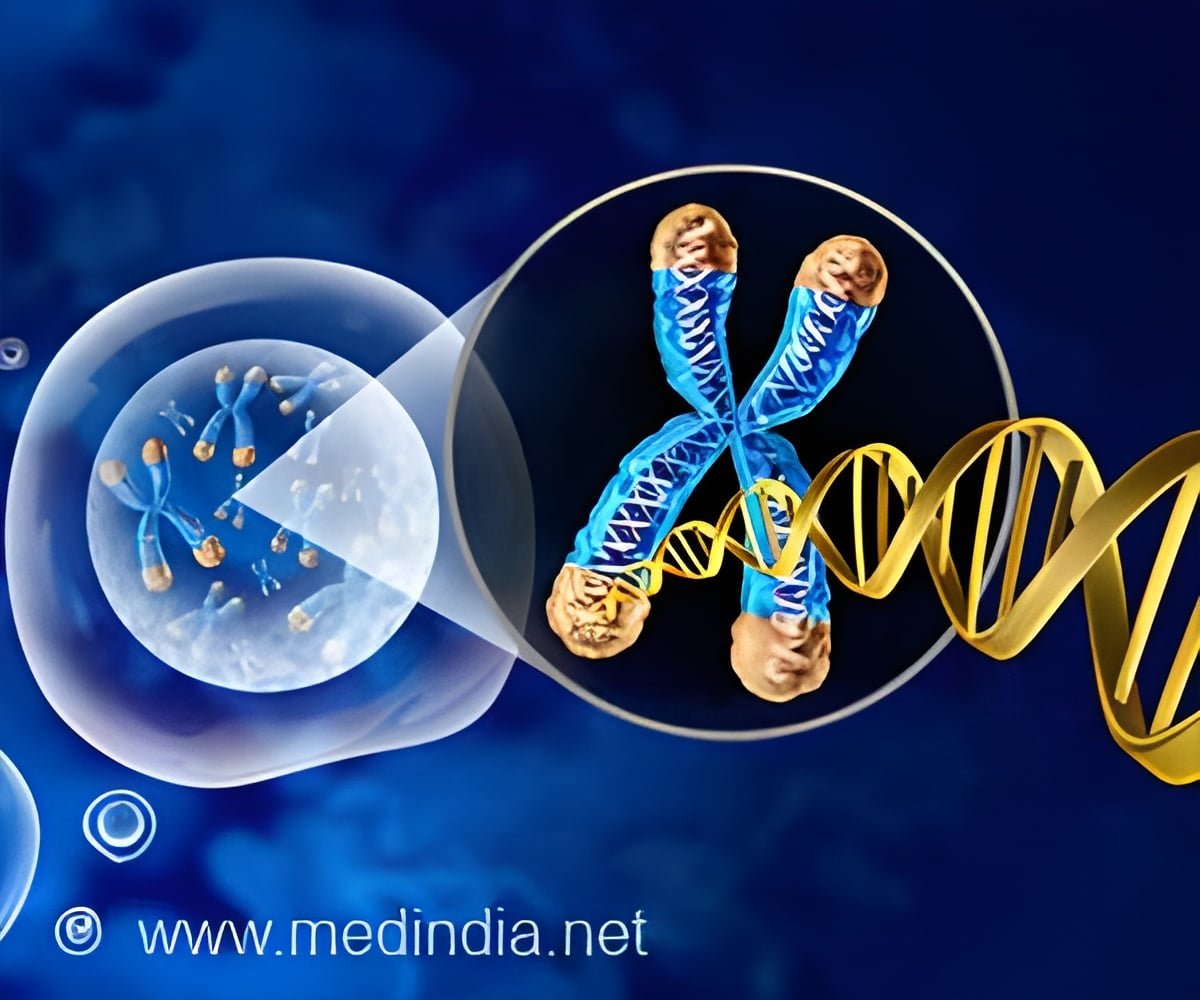
Researchers found that inherited genetics affected tumor evolution in laboratory mice, helping explain why cancers can behave differently even under similar conditions.

- Inherited genes influenced how tumors evolved in laboratory mice exposed to the same cancer trigger
- The findings may explain why patients with the same cancer can experience different disease outcomes
- Researchers say more human studies are needed before the findings can guide routine cancer care
Cancer is often linked to smoking, unhealthy diets, pollution, or aging. A new study published in Nature provides compelling evidence that inherited genetic background can influence the evolutionary course of cancer (1✔ ✔Trusted Source
Genetic background sets the trajectory of experimental cancer evolution
).
According to the researchers, tumors exposed to the same cancer-causing trigger followed remarkably different paths depending on the genetic makeup of the host.
These findings could help explain why patients diagnosed with the same cancer often experience different disease progression and responses to treatment.
Although the study was conducted in laboratory mice rather than humans, it offers important clues about how inherited genetics contributes to cancer biology.
Together with existing evidence on hereditary cancer syndromes, lifestyle risk factors, and genetic testing, the research moves scientists one step closer to more personalized approaches to cancer prevention and care.
Advertisement
How Did Scientists Study the Role of Inherited Genes in Cancer?
According to the study, researchers wanted to answer an important question: Can the genes a person is born with influence how cancer grows and changes over time?
Answering this question in people is difficult because everyone has different lifestyles, diets, ages, and environmental exposures. These factors can affect cancer, making it hard to isolate the role of inherited genes.
The study design is summarized below.
Advertisement
Key Features of the Nature Study
|
Study Feature |
Details |
|
Research question |
Do inherited genes influence how cancer evolves after it begins? |
|
Animal model |
Four genetically different mouse strains |
|
Cancer type |
Liver cancer |
|
Cancer trigger |
All mice received the same chemical (DEN) |
|
Tumors analyzed |
Nearly 600 liver tumors |
|
Methods used |
Whole-genome sequencing, RNA sequencing and genomic analysis |
|
Why this design matters |
Helped isolate the effect of inherited genes by keeping all other conditions the same. |
Advertisement
What Did the Researchers Discover About Cancer Evolution?
According to the study, inherited genetic background influenced much more than a person’s risk of developing cancer.
The researchers found that the genes inherited at birth also affected how tumors grew, evolved, and changed over time. The study’s major findings are summarized below.
Major Findings from the Nature Study and Why They Matter
|
Finding |
What the Study Found |
Why It Matters |
|
Tumors evolved differently |
Tumors in different mouse strains followed different evolutionary paths, even after the same carcinogen exposure. |
Shows that inherited genes can shape how cancer develops. |
|
Different mutation patterns |
Each mouse strain developed its own pattern of DNA mutations. |
May explain why patients with the same cancer can have different disease outcomes. |
|
MAPK signaling changed |
Activity of the MAPK pathway varied between genetic backgrounds. |
Could influence tumor growth and response to targeted treatments. |
|
Whole-genome duplication varied |
Tumors duplicated their chromosomes at different stages depending on inherited genetics. |
May affect tumor aggressiveness and genomic instability. |
|
Gene activity and chromosome changes differed |
Gene expression and chromosome alterations were not the same across mouse strains. |
Suggests inherited DNA influences several stages of tumor evolution. |
|
Future impact |
The findings support the role of inherited genetics in cancer evolution. |
Could help improve precision medicine after confirmation in human studies. |
Are Most Cancers Really Inherited?
Many people believe that most cancers run in families, but according to the National Cancer Institute (NCI), this is a common misconception (2✔ ✔Trusted Source
Genetic Testing for Inherited Cancer Risk
).
Only 5–10% of cancers are caused by inherited gene mutations passed from parents to their children. The remaining 90–95% develop because of genetic changes that occur during a person’s lifetime.
These acquired genetic changes can happen due to:
- Aging, as DNA naturally changes over time.
- Smoking and tobacco use, which damage DNA.
- Alcohol consumption, especially when excessive.
- Obesity and unhealthy diets, which can promote cancer development.
- Ultraviolet (UV) radiation, a major cause of skin cancer.
- Environmental pollutants and infections, which can damage cells.
- Random DNA errors that occur naturally as cells divide.
This means that while inherited genes play a role for some people, most cancers develop because of changes that occur during life rather than genes passed down through families.
How Do Inherited Genes and Lifestyle Work Together?
According to a review, inherited cancer risk exists on a spectrum. Some people inherit mutations in high-risk genes such as BRCA1, BRCA2, or TP53, which can greatly increase the risk of certain cancers (3✔ ✔Trusted Source
How Much of Cancer Is Genetic vs. Lifestyle-Caused
).
Others inherit several small genetic changes, known as polygenic risk, where many low-risk variants together influence cancer susceptibility.
However, having a risk gene does not mean a person will definitely develop cancer. Lifestyle and environmental factors continue to play an important role throughout life.
Researchers also highlight the role of epigenetics, where environmental exposures and lifestyle habits can switch genes on or off without changing the DNA sequence. This shows that inherited genes and lifestyle constantly interact to influence cancer risk.
The Nature study adds another important piece to this puzzle. It suggests that inherited genes may not only affect the risk of developing cancer but also how tumors grow and evolve after cancer begins. This finding could help explain why cancers behave differently from one person to another.
Can Healthy Habits Reduce Cancer Risk Even If You Have Risk Genes?
The answer is yes. According to a study published in the International Journal of Epidemiology, involving nearly 196,000 UK Biobank participants, healthy lifestyle habits were linked to a lower risk of several common cancers—even among people with a higher inherited genetic ris (4✔ ✔Trusted Source
Lifestyle, genetic risk and incidence of cancer: a prospective cohort study of 13 cancer types
):
The study found that:
- Healthy habits lowered cancer risk, even in people with inherited risk genes.
- Unhealthy lifestyle choices increased cancer risk, regardless of genetic background.
- Researchers assessed both genetic risk scores and lifestyle factors, including smoking, alcohol use, body weight, physical activity and diet.
- The findings show that genes influence risk, but they do not decide a person’s future health.
Who Should Consider Genetic Testing?
As scientists learn more about inherited cancer risk, genetic testing has become an important part of personalized cancer care. However, it is not recommended for everyone. Instead, doctors consider a person’s medical and family history before advising testing.
The situations in which genetic testing is most commonly recommended are summarized below.
Common Reasons Doctors Recommend Genetic Testing
|
Reason for Testing |
How It Can Help |
|
Strong family history of cancer |
Identifies inherited gene mutations that may run in families. |
|
Cancer diagnosed at a young age |
Determines whether an inherited mutation may have contributed to the disease. |
|
Several close relatives with the same or related cancers |
Helps assess whether there is an inherited cancer syndrome in the family. |
|
Rare cancers linked to inherited syndromes |
Supports diagnosis and guides future screening for family members. |
|
Before or after genetic testing |
Genetic counseling helps explain the benefits, limitations, and meaning of the test results. |
It is also important to understand that genetic testing is not all the same. Germline testing looks for inherited gene mutations passed through families, while tumor testing examines mutations found only in cancer cells to help guide treatment decisions.
How Could Inherited Genes Improve Cancer Treatment?
The Nature study suggests that inherited genes may influence not only the risk of developing cancer but also how tumors grow and evolve. If confirmed in human studies, this could help doctors better predict cancer behavior and develop more personalized prevention and treatment strategies.
In the future, inherited genetic information could be used alongside tumor testing and other clinical information to identify people at higher risk, monitor disease more closely, and choose treatments that are more likely to work.
However, the researchers caution that these findings come from laboratory mice. More studies in human patients are needed before they can be applied in routine clinical practice.
Even so, the study provides important new evidence that inherited genetics plays a larger role in cancer development than previously understood and could support the future of precision medicine.
Frequently Asking Questions
Q: Can inherited genes affect how cancer grows?
A: The study suggests inherited genes may influence how tumours evolve after cancer begins, although the findings still need confirmation in humans.
Q: Are most cancers inherited?
A: No. According to the National Cancer Institute, only about 5–10% of cancers are caused by inherited gene mutations.
Q: What causes most cancers?
A: Most cancers develop from genetic changes acquired during life due to aging, lifestyle, environmental exposures, and random DNA errors.
Q: Can healthy habits reduce cancer risk even if cancer runs in the family?
A: Yes. Research suggests healthy lifestyle habits can lower the risk of several cancers, even among people with higher inherited genetic risk.
Q: Who should consider genetic testing for cancer?
A: People with a strong family history of cancer, early-onset cancer, or certain rare cancers may benefit from genetic testing after medical advice.
Q: Does having a cancer-risk gene mean you will definitely develop cancer?
A: No. Inherited genes increase risk but do not guarantee that cancer will develop.
Q: How could this research improve cancer treatment?
A: If confirmed in humans, inherited genetic information may help doctors better predict cancer behavior and personalize prevention, monitoring, and treatment.
References:
- Genetic background sets the trajectory of experimental cancer evolution – (https://www.nature.com/articles/s41586-026-10821-z)
- Genetic Testing for Inherited Cancer Risk – (https://www.cancer.gov/about-cancer/causes-prevention/genetics/genetic-testing-fact-sheet)
- How Much of Cancer Is Genetic vs. Lifestyle-Caused – (https://scienceinsights.org/how-much-of-cancer-is-genetic-vs-lifestyle-caused/)
- Lifestyle, genetic risk and incidence of cancer: a prospective cohort study of 13 cancer types – (https://academic.oup.com/ije/article/52/3/817/6990971?login=false)
Source-Medindia