

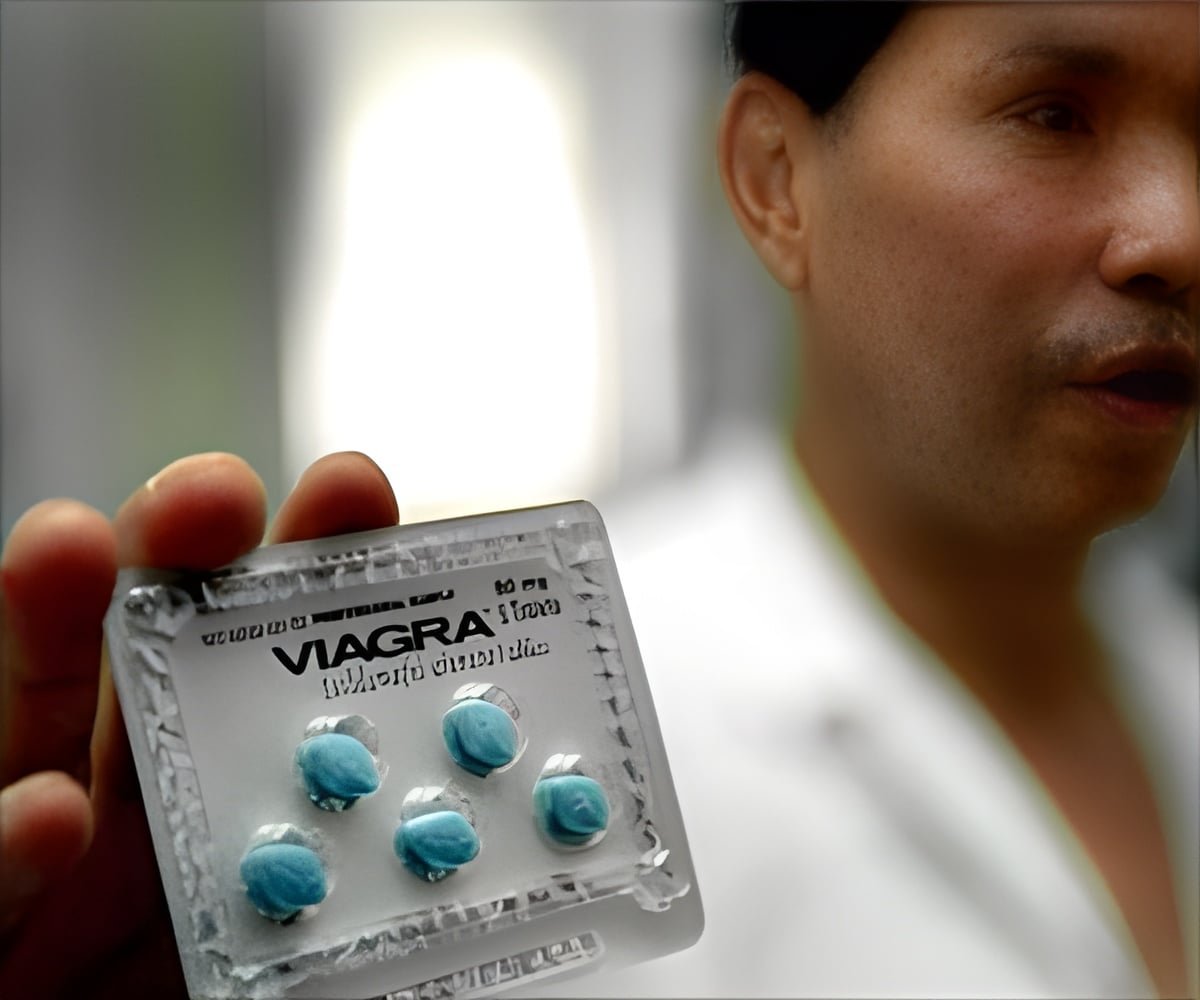
Scientists found that Viagra weakened cancer cells’ ability to spread in preclinical studies, although human clinical trials are still needed to confirm its potential.
- Viagra disrupted cholesterol transport, reducing cancer cells’ ability to spread
- Combining Viagra with statins produced stronger anti-metastatic effects in preclinical studies
- Researchers say human clinical trials are needed before Viagra can be used in cancer treatment
Could a drug prescribed for erectile dysfunction help stop cancer from spreading? Scientists say the answer may lie not in destroying tumors directly, but in starving metastatic cancer cells of the cholesterol they need to invade other organs.
According to a new AACR Cancer Research study, sildenafil (Viagra) disrupts a previously unknown cholesterol transport pathway controlled by the Niemann-Pick C1 (NPC1) protein. (1✔ ✔Trusted Source
PDE5a Inhibition Restricts Cancer Metastasis by Disrupting NPC1-Mediated Cholesterol Trafficking Through a Non-canonical cGMP-Dependent Pathway
)
Instead of allowing cholesterol to reach parts of the cell that fuel migration and survival, the drug traps it inside lysosomes, weakening cancer cells’ ability to spread.
Researchers also found that combining sildenafil with cholesterol-lowering statins produced stronger anti-metastatic effects than either treatment alone.
While the findings are promising, scientists stress that the research is still at the preclinical stage and human clinical trials are needed before sildenafil can be used as a cancer therapy.
How Does Viagra Block Cancer Spread?
Nearly 90% of cancer-related deaths occur because cancer spreads to other organs, making metastasis one of the biggest challenges in cancer treatment.
According to the study, sildenafil (Viagra) may help slow this process by disrupting how cancer cells use cholesterol.
ighlights of the AACR Cancer Research Study on Sildenafil and Cancer Metastasis
|
Research Aspect |
Key Findings |
|
Study objective |
Investigated whether sildenafil could stop cancer from spreading by disrupting cholesterol transport inside cancer cells. |
|
Study models |
Laboratory experiments, animal models and supporting human observational analyses. |
|
Target protein |
NPC1, a protein that moves cholesterol out of lysosomes. |
|
How sildenafil worked |
Increased cGMP levels and disrupted NPC1-mediated cholesterol trafficking, trapping cholesterol inside lysosomes. |
|
Effect on cancer cells |
Reduced cell migration, weakened growth signaling (lipid rafts) and lowered metastatic potential. |
|
Combination therapy |
Sildenafil combined with statins showed greater anti-metastatic activity than either treatment alone. |
|
Main takeaway |
Targeting cholesterol transport could become a new strategy to prevent cancer metastasis. |
|
Clinical status |
Findings are preclinical and require confirmation in human clinical trials before routine use. |
Why Are Scientists Targeting Cholesterol Instead of the Tumor?
Most cancer treatments aim to destroy tumor cells. However, researchers are now focusing on cholesterol, a key nutrient that helps cancer cells grow, survive, and spread. Cancer cells rely heavily on cholesterol because it:
- Builds new cell membranes, allowing tumors to grow rapidly.
- Supports lipid rafts, which activate signals for cancer growth and metastasis.
- Provides energy needed for cancer cells to migrate to other organs.
- Helps tumors survive stressful conditions and resist treatment.
- Produces, absorbs, or recycles cholesterol more efficiently to fuel cancer growth.
Has Viagra Shown Anti-Cancer Promise Before This New Discovery?
The latest research findings are not the first to suggest that sildenafil may have anti-cancer potential. According to a Communications Biology study, the drug showed several promising effects against gastric cancer, although researchers stressed that more clinical studies are needed. (2✔ ✔Trusted Source
Repurposing of phosphodiesterase-5 inhibitor sildenafil as a therapeutic agent to prevent gastric cancer growth through suppressing c-MYC stability for IL-6 transcription
)
The study found that sildenafil:
- Was linked to a lower risk of death from gastric cancer in patients who received PDE5 inhibitors.
- Slowed the growth of gastric cancer cells and increased cancer cell death.
- Reduced tumor size and overall tumor burden in preclinical models.
- Worked better in tumors with higher PDE5 levels, suggesting some cancers may respond better than others.
- Blocked the IL-6/JAK/STAT3 signaling pathway, a pathway that helps cancer cells grow and survive.
- Showed promise as a drug that could be repurposed for cancer treatment alongside existing therapies.
Although these findings were encouraging, the researchers emphasized that human clinical trials are still needed before sildenafil can be considered a treatment for cancer.
Does Genetic Evidence Suggest Viagra Could Lower Cancer Risk?
While the latest study focused on stopping cancer from spreading, a Scientific Reports study explored whether blocking the PDE5 enzyme could also lower the risk of developing certain cancers. (3✔ ✔Trusted Source
Genetically proxied inhibition of Phosphodiesterase-5 and cancer risks: A drug-target Mendelian randomization analysis
)
Using genetic data from more than 500,000 people, the researchers found evidence that reduced PDE5 activity may be linked to a lower risk of some cancers. However, they emphasized that these findings need to be confirmed in human clinical studies.
Key Findings from the Scientific Reports Study
|
Research aspect |
Key findings |
|
Source |
Scientific Reports (2025) |
|
Study type |
Drug-target Mendelian randomization (genetic study) |
|
Participants |
Genetic data from 500,000+ people |
|
Lower cancer risk |
Reduced PDE5 activity was linked to a lower risk of colorectal and gastric cancers. |
|
Other cancers |
Little or no evidence of a significant effect on most other cancers studied. |
|
What it means |
Supports further research into sildenafil and other PDE5 inhibitors for cancer prevention and treatment. |
|
Key limitation |
Genetic findings do not prove that sildenafil prevents cancer. Human clinical trials are still needed. |
Why Are Scientists Still Cautious About Using Viagra Against Cancer?
Although sildenafil has shown promising anti-cancer effects, researchers say there is not enough evidence to use it as a cancer treatment yet.
According to a mini-review, the drug has produced encouraging results in laboratory and animal studies, but its effects may vary depending on the type of cancer. ()
The review also notes that some studies have raised concerns about melanoma, although the evidence remains mixed. Researchers emphasize that human clinical trials are needed before sildenafil can become part of routine cancer care.
Potential Benefits and Current Concerns of Sildenafil in Cancer Research
|
Potential benefits |
Current concerns |
|
May slow tumour growth |
Most evidence comes from laboratory and animal studies. |
|
May increase cancer cell death |
Benefits may vary between different cancer types. |
|
May improve the effects of chemotherapy and immunotherapy |
Possible concerns have been reported in melanoma, but evidence is inconsistent. |
|
Already an approved medicine, making drug repurposing faster |
The best dose, treatment combination, and suitable patients are still unknown. |
|
Multiple anti-cancer mechanisms have been identified |
Large human clinical trials are still needed before clinical use. |
Could Repurposing Viagra Change the Future of Cancer Treatment?
Repurposing existing medicines can speed up the development of new treatments because their safety profiles are already well known. Together, the studies suggest that sildenafil may help fight cancer by blocking metastasis, slowing tumor growth, and potentially lowering the risk of certain cancers.
While these findings are encouraging, they are still largely based on preclinical and genetic research.
Researchers say human clinical trials are needed to confirm whether sildenafil is safe and effective for cancer treatment, either alone or in combination with therapies such as statins, chemotherapy, or immunotherapy. Until then, sildenafil should not be used to treat or prevent cancer outside approved medical guidance.
Frequently Asked Questions
Q: Can Viagra treat cancer?
A: No. Current evidence comes mainly from laboratory, animal and genetic studies, and human clinical trials are still needed.
Q: How could Viagra help stop cancer from spreading?
A: Researchers found that it traps cholesterol inside cancer cells, making it harder for them to migrate to other organs.
Q: Why is cholesterol important for cancer cells?
A: Cancer cells use cholesterol to build cell membranes, activate growth signals and support metastasis.
Q: Why did researchers combine Viagra with statins?
A: Statins lower cholesterol, and together with Viagra they showed stronger anti-metastatic effects in preclinical research.
Q: Has Viagra shown anti-cancer effects before?
A: Yes. Earlier studies suggested it may slow tumour growth, increase cancer cell death and improve responses to existing therapies in some cancers.
Q: Does Viagra reduce the risk of developing cancer?
A: A genetic study suggested reduced PDE5 activity may be linked to a lower risk of certain cancers, but this does not prove Viagra prevents cancer.
Q: Should people take Viagra to prevent or treat cancer?
A: No. Researchers advise against using Viagra for cancer outside approved clinical studies or medical guidance.
References:
- PDE5a Inhibition Restricts Cancer Metastasis by Disrupting NPC1-Mediated Cholesterol Trafficking Through a Non-canonical cGMP-Dependent Pathway – (https://aacrjournals.org/cancerres/article/doi/10.1158/0008-5472.CAN-26-1818/786876/PDE5a-Inhibition-Restricts-Cancer-Metastasis-by)
- Repurposing of phosphodiesterase-5 inhibitor sildenafil as a therapeutic agent to prevent gastric cancer growth through suppressing c-MYC stability for IL-6 transcription – (https://www.nature.com/articles/s42003-025-07519-9)
- Genetically proxied inhibition of Phosphodiesterase-5 and cancer risks: A drug-target Mendelian randomization analysis – (https://www.nature.com/articles/s41598-025-12788-9)
- Pro-cancer and anti-cancer effects of sildenafil: a mini-review – (https://mednexus.org/doi/10.1097/RD9.0000000000000125)
Source-Medindia