

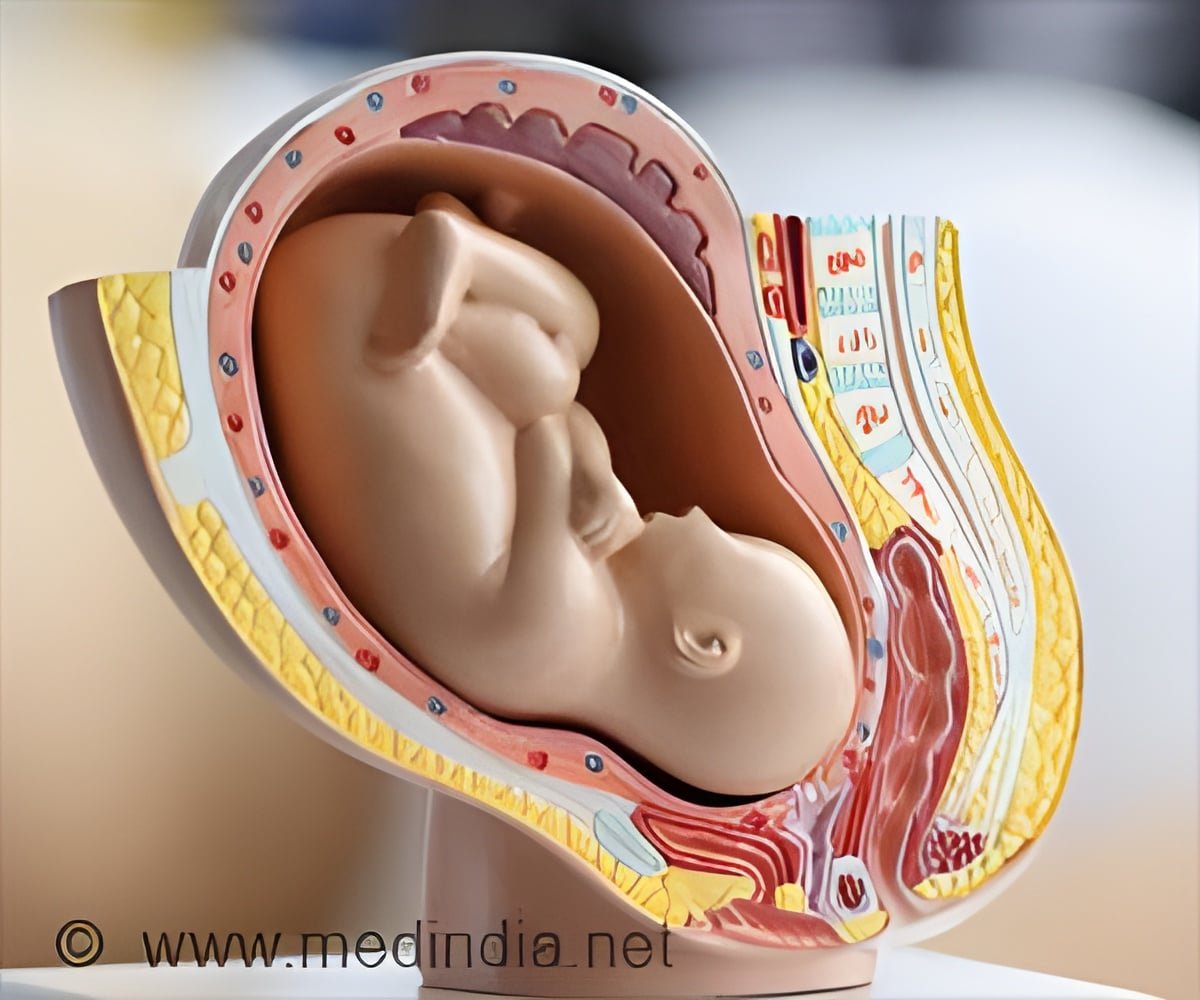
Early prenatal diagnosis of placenta accreta spectrum can help healthcare teams prepare for safer delivery and improved maternal care.
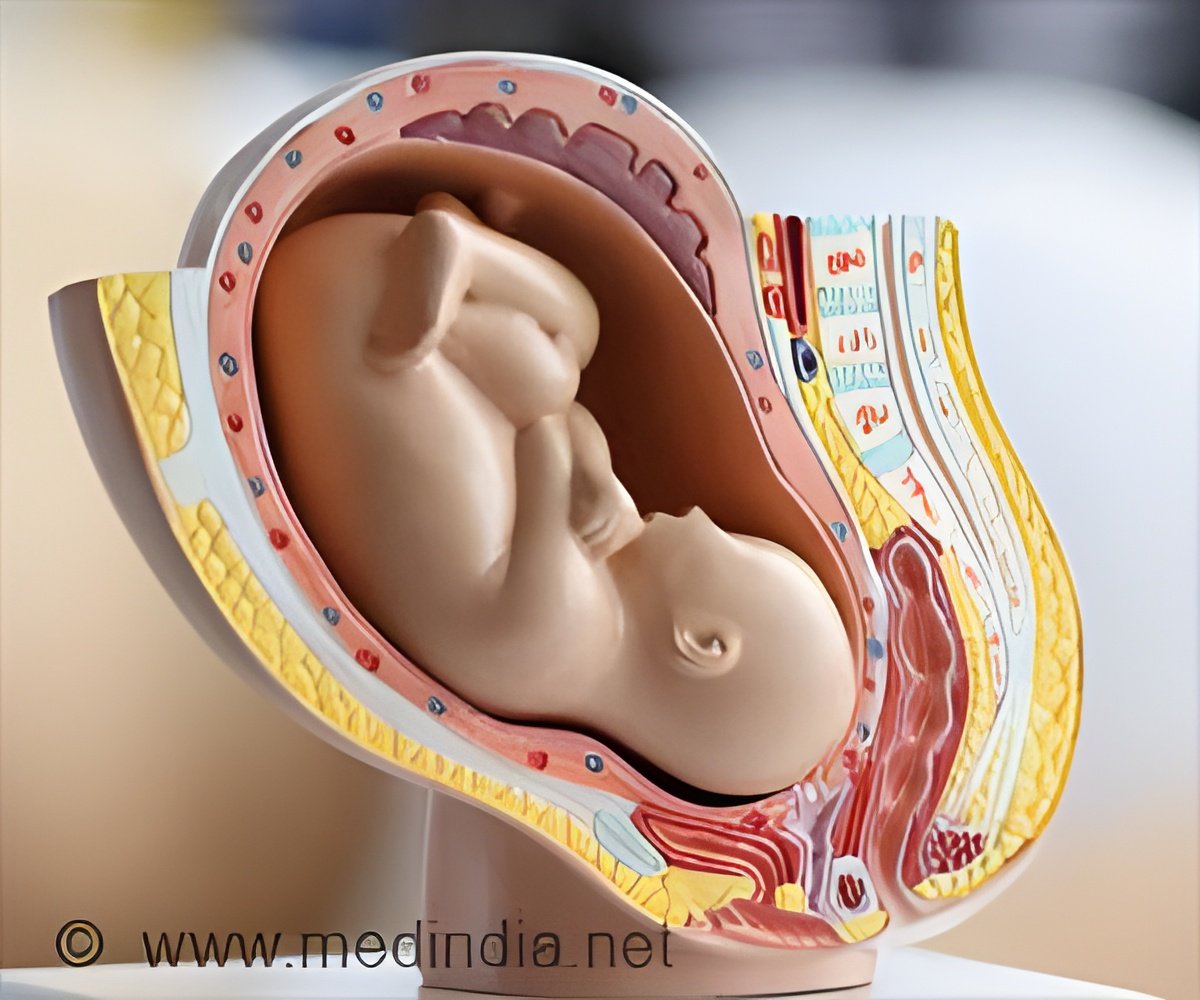
- Placenta accreta spectrum is increasingly seen in women with a previous cesarean delivery and placenta previa
- Prenatal ultrasound helps identify placenta accreta before delivery, allowing better pregnancy planning
- Early multidisciplinary care helps manage pregnancy complications associated with cesarean delivery
A review published in Nature Reviews Disease Primers highlights the growing importance of placenta accreta spectrum (PAS), a serious pregnancy complication in which the placenta cannot be fully detached from the uterine wall after childbirth and often requires surgical removal. The review explains how increasing cesarean delivery rates are changing the pattern of this condition and why recognizing women at risk before delivery has become increasingly important (1✔ ✔Trusted Source
Placenta accreta spectrum
).
The review reports that more than 90% of placenta accreta spectrum cases now occur in women with a previous cesarean delivery together with an anterior low-lying placenta or placenta previa. According to the authors, the worldwide increase in cesarean deliveries has been accompanied by a rise in PAS, making this combination the most common risk profile.
Advertisement
Placenta Accreta Spectrum Is Linked to Cesarean Scar Tissue
The review explains that PAS is not caused by an unusually aggressive placenta. Instead, it develops because scar tissue from a previous cesarean delivery disrupts the normal physiological signaling and physical mechanisms that allow the placenta to attach and separate from the uterus.
The authors note that altered blood flow and changes within the scar tissue prevent the formation of the normal plane of separation between the placenta and the uterine wall.
The review states, “Accreta placentation is not a consequence of an inherently more aggressive cancer-like trophoblast but of a loss of the normal physiological cell signalling and physical regulatory mechanisms in the scar tissue,” as stated by lead author Eric Jauniaux.
Rather than simply viewing PAS as an abnormal placental invasion, researchers are beginning to understand it as a condition driven by changes in the uterine scar environment.
Advertisement
Prenatal Ultrasound Can Help Identify High-Risk Pregnancies
The review highlights that women with a high probability of PAS can generally be identified before birth through prenatal ultrasonography, allowing delivery to be planned with a multidisciplinary team. When ultrasound findings are uncertain, magnetic resonance imaging (MRI) may be used in selected cases to provide additional information, although ultrasound remains the primary diagnostic tool.
Planned care may include:
- Prenatal ultrasound to identify women at high risk
- Coordinated care involving obstetricians and other specialists
- Preparation for possible heavy bleeding during delivery
- Careful planning before childbirth
A woman attending a routine prenatal ultrasound after a previous cesarean delivery may be identified as having a low-lying placenta, allowing her healthcare team to prepare for delivery well in advance. Likewise, families informed before birth can better understand the planned care and participate in important decisions.
Advertisement
Early Planning May Reduce Serious Pregnancy Complications
If PAS is not recognized before delivery, attempts to manually remove the placenta can result in severe and sometimes uncontrollable bleeding. The review also notes that placenta previa accreta remains particularly difficult to manage in healthcare systems with limited resources because of the risk of hemorrhage and injury to nearby pelvic organs.
Researchers increasingly recognize that involving pregnant women and their families in delivery planning can help reduce the psychological burden associated with complex obstetric surgery.
Standardized Reporting Could Improve Placenta Accreta Spectrum Care
The authors emphasize that standardized reporting protocols are essential for developing better management strategies for PAS. They also call for further investigation into the complex cellular changes at the uteroplacental interface that contribute to the condition.
Early identification, coordinated care, and a better understanding of scar-related changes may improve the management of placenta accreta spectrum as its occurrence continues to rise.
Awareness during pregnancy empowers informed conversations and thoughtful planning with your healthcare team. Early prenatal care can help ensure that women at higher risk receive the support and coordinated care they need.
Frequently Asked Questions
Q: What is placenta accreta spectrum?
A: Placenta accreta spectrum is a pregnancy complication in which the placenta remains abnormally attached to the uterine wall after childbirth and often requires surgical removal.
Q: Who is most at risk of placenta accreta spectrum?
A: According to the review, more than 90% of cases occur in women with a previous cesarean delivery and an anterior low-lying placenta or placenta previa.
Q: Can placenta accreta spectrum be diagnosed before delivery?
A: Yes. The review states that prenatal ultrasonography can generally identify women with a high probability of PAS before birth.
Q: Why is placenta accreta spectrum dangerous?
A: Why is placenta accreta spectrum dangerous?
Q: Why do the authors recommend standardized reporting for PAS?
A: They state that standardized reporting protocols are essential for developing improved management strategies and advancing understanding of the condition.
Reference:
- Placenta accreta spectrum – (https://www.nature.com/articles/s41572-025-00624-3#Abs1)
Source-Medindia