

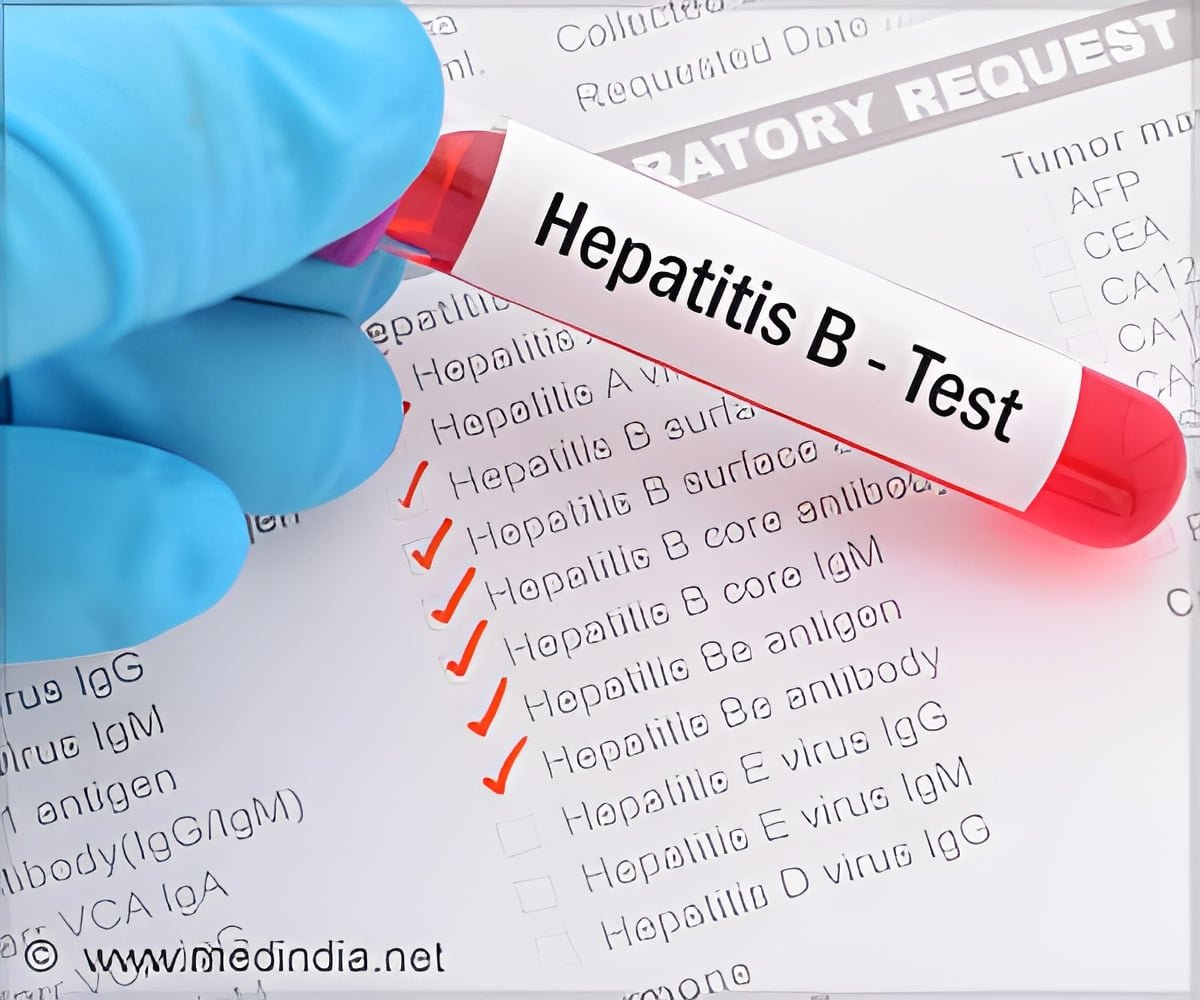
Can India eliminate hepatitis by 2030? More than 21 crore screenings suggest the country is making steady progress.
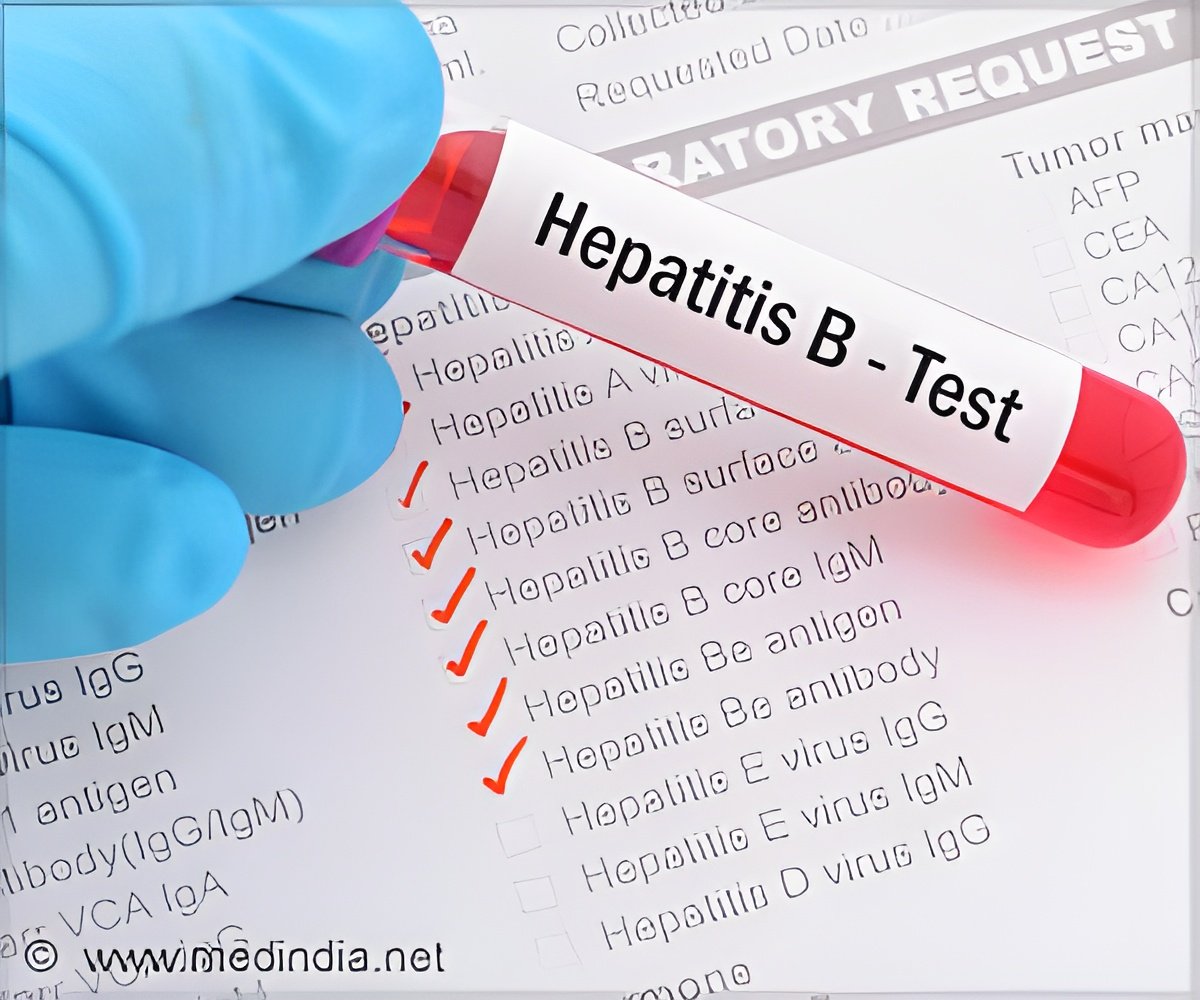
Marking World Hepatitis Day, the Indian government has laid out how it plans to eliminate hepatitis as a public health threat by 2030 — through free diagnostics, free treatment, and a healthcare network that now reaches down to the local level, not just district hospitals (1✔ ✔Trusted Source
India’s Fight to Combat Hepatitis
).
Advertisement
Hepatitis Types
Hepatitis is inflammation of the liver, caused by viral infection or toxic substances like alcohol and drugs, or autoimmune disease. There are five main hepatitis viruses: A, B, C, D and E — of which Hepatitis B and C are the most common and can lead to chronic disease including cirrhosis (fibrosis of liver tissue) and liver cancer mj .
Advertisement
The Scale of the Problem in India
The World Health Organization estimated viral hepatitis caused around 1.34 million deaths globally in 2015. According to the National Viral Hepatitis Control Programme (NVHCP), India is estimated to have around 40 million people living with Hepatitis B and 6-12 million with Hepatitis C (2✔ ✔Trusted Source
National Viral Hepatitis Control Program
).
More recent government surveillance data offers a clearer local picture: in India’s 2021 HIV Sentinel Surveillance survey, about 0.85% of people tested positive for Hepatitis B i.e. 1 in 118 people and 0.29% for Hepatitis C i.e. 1 in 345 people
Advertisement
The Numbers So Far: How Far Has India Come?
The numbers so far reflect real scale where 21.06 crore beneficiaries have been screened under this programme, with roughly 6.12 lakh Hepatitis B and C patients having received treatment. This care is now delivered across 1,153 treatment sites nationwide (3✔ ✔Trusted Source
India steps up efforts to eliminate hepatitis as a public health threat by 2030
).
How the Government Plans to Get There by 2030
India launched the National Viral Hepatitis Control Programme (NVHCP) in 2018, aligned with the United Nations’ Sustainable Development Goal to end hepatitis epidemics by 2030. The programme’s approach rests on three pillars: prevention, diagnosis and treatment, and monitoring.
To prevent new infections, the Hepatitis B vaccine is included in India’s Universal Immunisation Programme. Newborns receive a birth dose within 24 hours of delivery, followed by additional doses at 6, 10, and 14 weeks. Pregnant women are also routinely screened for Hepatitis B, allowing babies at risk to receive hepatitis B immunoglobulin (HBIG) along with the vaccine for added protection.
On treatment, free diagnostics and medicines are available for Hepatitis B and C at government facilities nationwide. Hepatitis C, notably, has no vaccine — but can now be cured in 12-24 weeks in nearly all patients using modern antiviral drugs.
The programme also links with India’s other major health missions — screening high-risk groups through the National AIDS Control Programme, using existing TB-testing machines for molecular diagnosis, and tracing Hepatitis-positive blood donors for follow-up care through blood transfusion services.
Bringing Care Closer to Patients
Hepatitis care is now moving from district hospitals down to local health centers, reducing how far patients need to travel for testing and treatment. The programme also runs a dedicated toll-free helpline — 1800-11-6666 — offering information on prevention, transmission, and where to access care.
Officials describe the approach as using smarter local funding and cheaper generic drugs to stretch resources further, expanding the reach of free care without waiting for new budget allocations.
Since the programme launched in 2018, India has steadily expanded free hepatitis screening and treatment nationwide — stretching resources further through smarter local funding and lower-cost generic drugs. Care that once required a trip to a district hospital is now increasingly available at the local health centre instead. It’s a shift that echoes the government’s broader vision of Sabka Saath, Sabka Vikas.
References:
- India’s Fight to Combat Hepatitis
– (https://www.pib.gov.in/PressNoteDetails.aspx?NoteId=159330&ModuleId=3®=48&lang=2) - National Viral Hepatitis Control Program
– (https://nvhcp.mohfw.gov.in/about_us) - India steps up efforts to eliminate hepatitis as a public health threat by 2030 – (https://newsonair.gov.in/india-steps-up-efforts-to-eliminate-hepatitis-as-a-public-health-threat-by-2030/)
Source-Medindia