

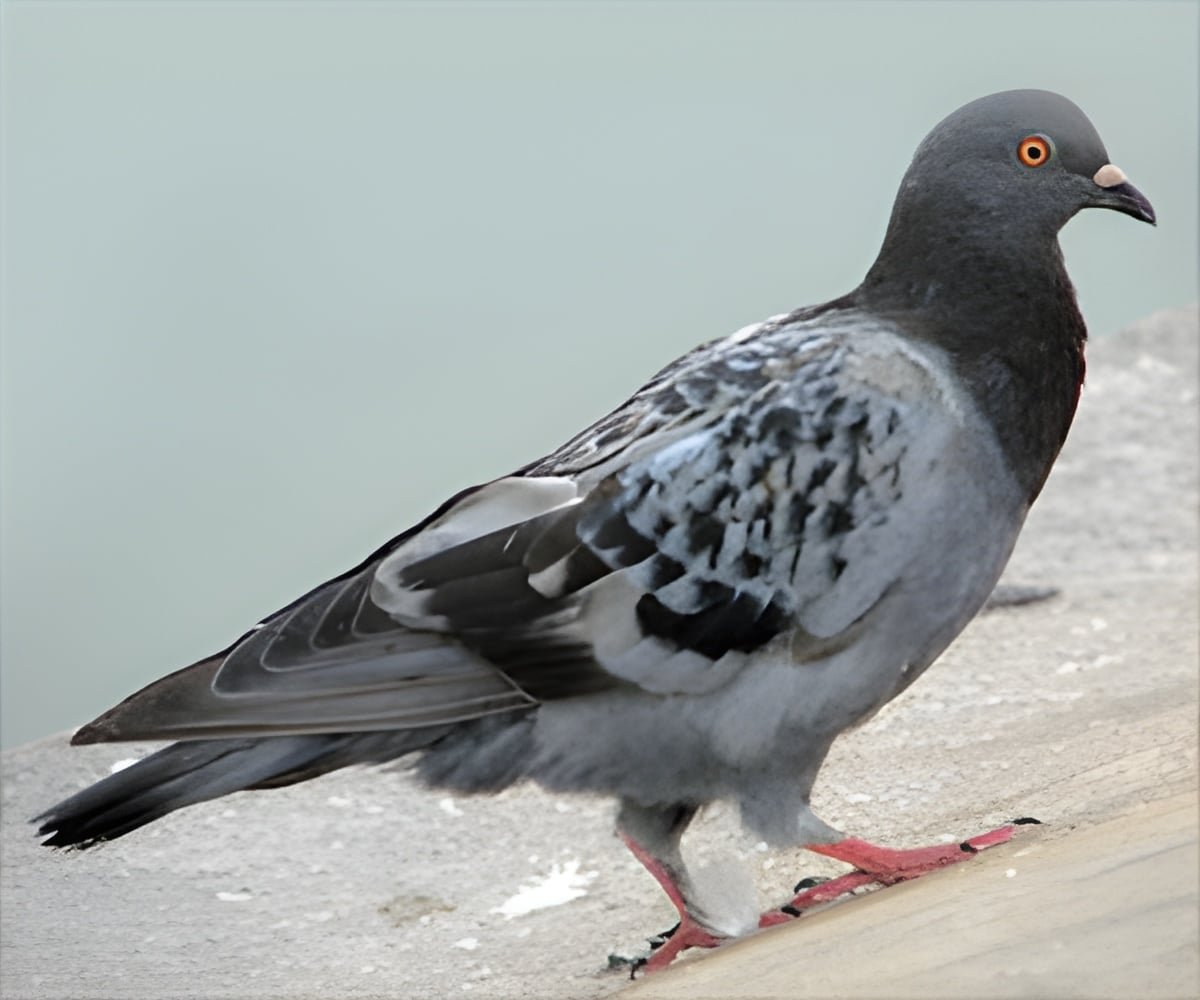
Over 1,700 migratory bird species have a steep declining population worldwide. Global research says without intervention, continued declines and extinctions are inevitable.

A shocking data reveals more than half of the total population out of 3,380
Researchers reviewed decades of scientific data, international monitoring efforts, global biodiversity databases and conservation agreements to identify the status, threats and conservation of migratory birds.
Advertisement
What is Migration and How It Is Unique in Birds
Many species, including insects and mammals, undergo migration but birds among them are the most iconic ones. They cross continents, oceans, and even borders to find food sources, safe nesting and breeding grounds and favourable climates. Migratory birds help to disperse seeds, pollinate plants and regulate insect growth. They also support food webs across borders and ecosystem.
The life cycle of migratory bird is very complex which frequently involves moving across a vast geographical region due to which they encounter numerous hazards. The remaining habitats are facing threats from climate change, land use change, invasive species, illegal and unsustainable industrial fishing, collisions with buildings and energy infrastructure and pesticides.. Making the conservation even more difficult.
Advertisement
51% of Earth’s Migratory Birds Are Declining
According to BirdLife and BIRDBASE out of 11,000 there are around 3,382 migratory birds species known. Around 31% of bird species on Earth are migratory. The review found that a standout 51% of the migratory species are declining globally out of which 31% are stable and just 10% are increasing. Nearly 300 species are already globally threatened, but the authors stress that even the once-abundant birds are now losing ground.
Bird species migrating at high elevation face the highest rate of decline of about 61%, followed by full migrants 46% and partial migrants 44%.
Forest-dwelling migratory birds species are worst affected declining over 70% of their total population, followed by 55% of oceanic seabirds.
Over 90% of migratory trogons/quetzals and nearly 70% of parrots, woodpeckers, landfowl, cuckoos, and pigeons/doves are declining. Songbirds (48%) and shorebirds (47%) also face steep drops.
“The scale of migratory bird declines is both alarming and sobering,” said co-lead author Peter Marra, who heads Georgetown’s Earth Commons Institute. He described it as “the predictable consequence of decades of environmental degradation” — but added that the losses “are not inevitable.”
Co-lead author Nathan Cooper of the Smithsonian noted that earlier research mostly covered North America and Europe. This review is the first to assess “how birds are doing across all of the global terrestrial and marine flyways.”
Advertisement
Three Migratory Birds, Three Extraordinary Journeys
The study includes interesting data about some extraordinary migrators.
Take the bar-headed goose (Anser indicus), extreme long-distance migrator. It flies over the Himalayas at altitudes above 7,000 metres — higher than Mount Everest’s base camp .
Or the Hudsonian godwit, which the study tracked making a single non-stop flight of up to 11,000 km over open ocean around six to seven days airborne, without rest.
Or the giant hummingbird, whose post-breeding migration across the Andes gains over 4,100 metres in elevation, an extraordinary feat for a bird that size.
The scale of migration itself is part of what makes conservation so difficult — these birds cross borders, oceans, and continents that no single country can protect alone.
What the Study Says Needs to Change
The migratory birds rely on three distinct geographic zones during their annual cycle —their breeding and nesting grounds, wintering areas and intermediate stopovers for food sources—any single point threat can jeopardise the bird population.
The review states that the current conservation is largely focused on protecting specific places or threats in isolation. It misses the whole point as an annual cycle of a migratory bird covers a vast array of geographical areas and environmental hazards and most migratory birds spend the majority of their lives outside protected areas altogether.
The Authors’’ Proposed Conservation Tips
Despite the severe stat results the authors stress that the population decline is inevitable in migratory species. They firmly advocate the “Full annual-cycle Conservation” as it can protect the species across borders. They also emphasize on expanding monitoring and scientific understanding (especially in under-studied regions like South America, Asia, and Africa).
Critical habitat protection in the breeding as well as the intermittent stoppage and reduction in the major direct and indirect threats also need to be addressed.
Incorporating technologies like micro-telemetry, satellite telemetry and data from platforms like eBird, Ai enabled acoustic monetering can help scientists pinpoint the exact refuelling bottlenecks that need urgent protection.
The review notes that species-focused conservation has already brought back cranes, raptors, waterfowl, and shorebirds once on the brink — proof, the authors argue, that recovery is achievable.
“We know conservation works,” Marra said. “The challenge now is bringing together the partnerships, resources, and political and public commitment to implement those solutions at the scale migratory birds require.”
Source-Medindia