

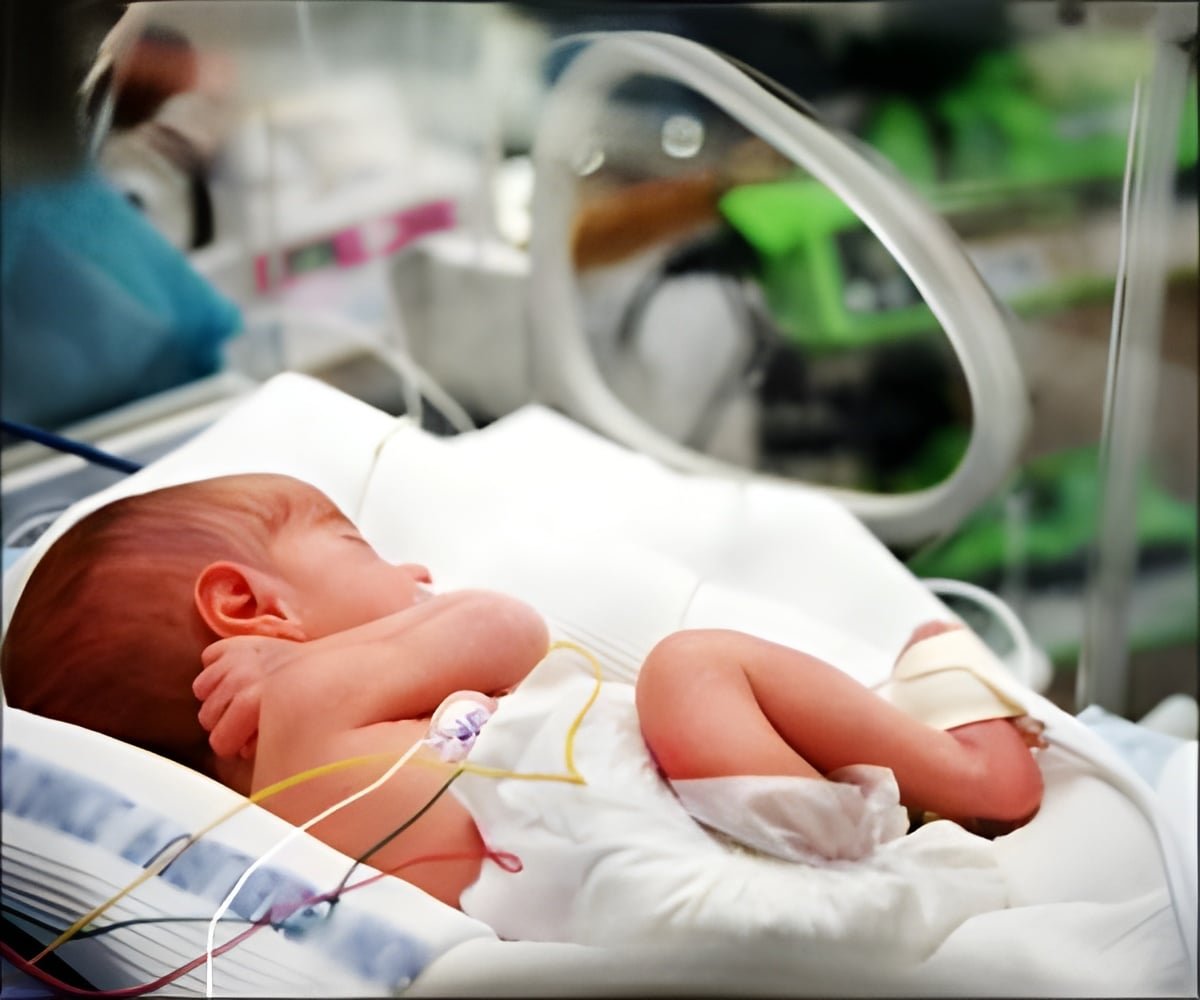
The five-factor CRIB-II score may support faster treatment decisions, referrals and allocation of limited neonatal intensive-care resources.
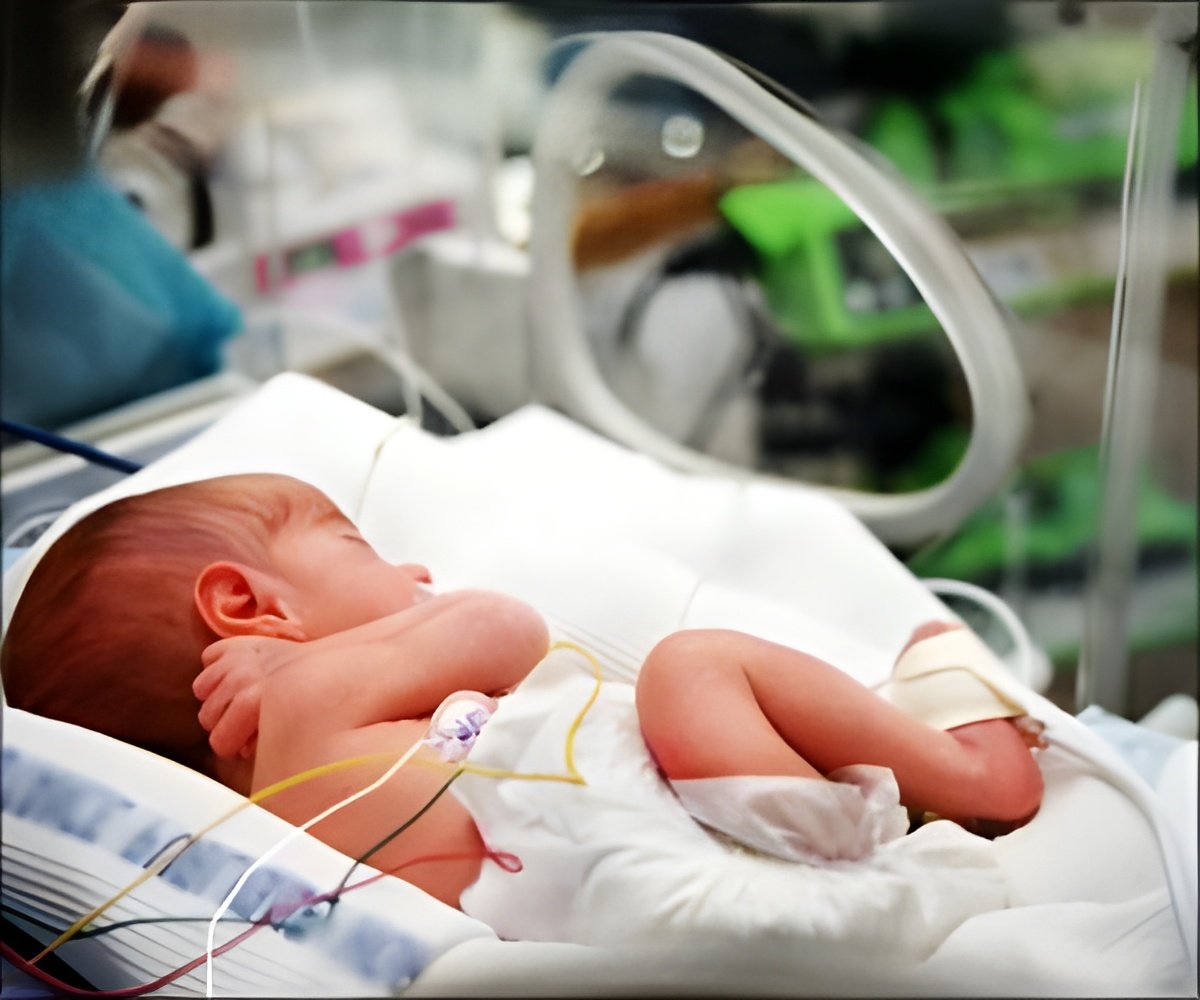
Can a simple score calculated shortly after birth help doctors identify premature babies who need the most urgent care?
Doctors at JK Lone Hospital in Jaipur have reported that the Clinical Risk Index for Babies-II, or CRIB-II, may help predict mortality risk among premature newborns admitted to neonatal intensive care units.
The study included 181 premature babies, with an average gestational age of 28.88 weeks and an average birth weight of approximately 1.01 kg. Babies with higher CRIB-II scores were significantly more likely to die than those with lower scores, according to reports describing the study.
Advertisement
Why Premature Babies Need Rapid Risk Assessment
A baby is considered preterm when born before 37 completed weeks of pregnancy. Because their organs may not be fully developed, premature newborns can face breathing difficulties, infections, problems maintaining body temperature and other serious complications.
Around 13.4 million babies were born prematurely worldwide in 2020, equivalent to approximately one in every ten births. Complications linked to preterm birth remain a major cause of childhood death, making timely and appropriate newborn care critical.
Doctors must often assess a premature baby’s condition and begin treatment within the first few hours of life. A standardised score may help identify newborns requiring intensive monitoring, respiratory support or urgent referral.(1✔ ✔Trusted Source
Jaipur Doctors Identify CRIB-II Score as Effective Early Tool to Predict Health Risks in Premature Newborns
Advertisement
A Five-Factor Score Guides Early Newborn Care
CRIB-II is an established neonatal risk-assessment system developed to estimate mortality risk among premature and low-birth-weight babies admitted to intensive care.
The score uses five factors recorded soon after birth:
- Birth weight
- Gestational age
- Body temperature at admission
- Base excess, which reflects the baby’s acid–base balance
- Sex of the baby
CRIB-II was developed as a five-item update to the original Clinical Risk Index for Babies and has been studied internationally as a tool for neonatal risk adjustment and mortality prediction.
The Jaipur researchers classified scores as:
- 0–5: Low risk
- 6–10: Moderate risk
- 11–15: High risk
- Above 15: Very high risk
A higher score indicated a greater likelihood of serious illness or death among the premature newborns included in the study.
Advertisement
Higher CRIB-II Scores Signal the Need for Urgent NICU Care
The scoring system could help doctors determine which babies require closer observation, intensive treatment or immediate transfer to a higher-level neonatal centre.
Dr. Yogesh Yadav, a paediatric specialist involved in the research, said:
“CRIB-II is not just a score for predicting mortality risk; it is an important scientific tool that helps doctors identify high-risk newborns and make timely NICU decisions within the first few hours.”
It may be particularly useful in hospitals where NICU beds, ventilators and trained neonatal staff are limited. The score could also support clearer conversations with parents about their baby’s condition, expected risks and immediate treatment needs. (1✔ ✔Trusted Source
Jaipur Doctors Identify CRIB-II Score as Effective Early Tool to Predict Health Risks in Premature Newborns
A Decision-Support Tool, Not a Final Verdict
However, CRIB-II is a risk-stratification tool, not a treatment or a definitive prediction of an individual baby’s outcome. It should support—not replace—clinical examination, laboratory findings and the judgement of an experienced neonatal team.
Published research has also shown that risk scores may require validation or recalibration for different hospitals and patient populations.
The Indian findings add to existing evidence that CRIB-II can help identify vulnerable premature newborns early, potentially enabling faster intervention and more effective use of neonatal intensive-care resources.
Reference:
- Jaipur Doctors Identify CRIB-II Score as Effective Early Tool to Predict Health Risks in Premature Newborns
– (https://medgatetoday.com/crib-ii-score-premature-babies-jaipur-study/)
Source-Medindia