

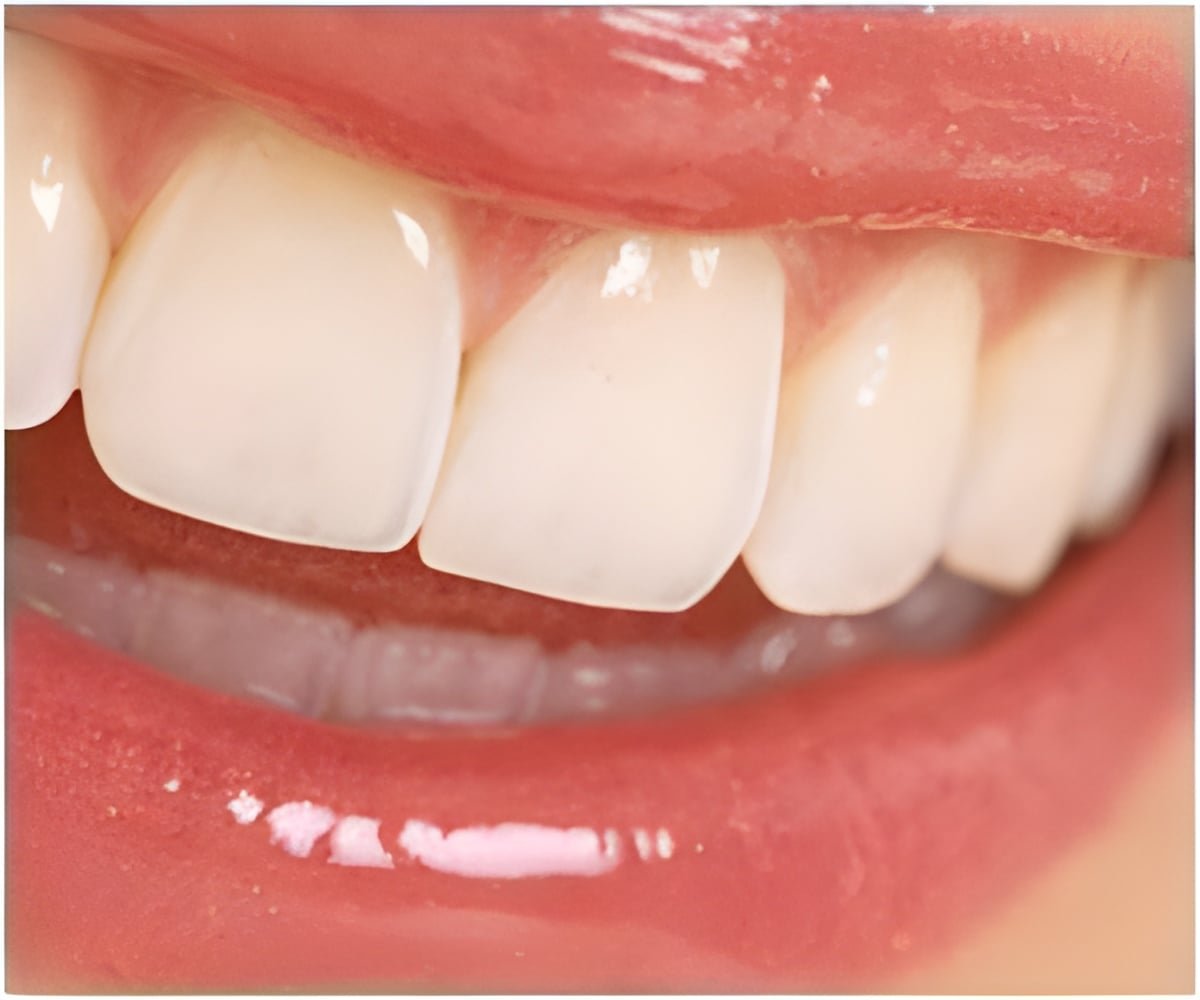
Scientists are exploring ways to regrow human teeth naturally, raising hopes for future alternatives to implants and dentures.
Losing a permanent tooth has long meant choosing between dental implants, bridges, or dentures. But scientists are now investigating something once considered impossible: helping the human body grow a new tooth naturally. From human clinical trials in Japan to laboratory breakthroughs in the United Kingdom, researchers are moving closer to making human tooth regrowth a reality (1✔ ✔Trusted Source
Lab-grown teeth might become an alternative to fillings following research breakthrough
).
At the center of this research are two promising approaches: a drug designed to stimulate dormant tooth buds and stem cell technologies that mimic the natural process of tooth development. While these treatments remain experimental, scientists say recent advances have brought the field of regenerative dentistry closer than ever to clinical application.
Advertisement
How Could Human Tooth Regrowth Replace Dental Implants?
For decades, dental implants have been considered the gold standard for replacing missing teeth. However, unlike implants, regenerated teeth could potentially develop natural roots, nerves, and supporting tissues, allowing them to function more like original teeth.
Researchers believe that successful tooth regeneration could one day offer patients a biological alternative to traditional restorative procedures. However, experts emphasize that dental implants remain the standard of care today.
Advertisement
What Is the New Tooth Regrowth Drug Being Tested in Japan?
Researchers at Kyoto University Hospital have developed an experimental antibody treatment that targets the USAG-1 protein, which naturally suppresses tooth formation.
The treatment, known as TRG035, is administered as a local injection and is designed to activate dormant tooth buds, encouraging them to develop into new natural teeth. Human clinical trials are currently evaluating the treatment’s safety and effectiveness in adults with missing teeth, with researchers targeting a potential commercial launch around 2030 if studies prove successful. (Source: Kyoto University Hospital)
Advertisement
Can Stem Cells Help Scientists Grow New Human Teeth?
Scientists are also investigating the use of stem cells and tissue engineering to create replacement teeth. Researchers have successfully grown “tooth organoids” in laboratory settings using human stem cells obtained from sources such as dental pulp and wisdom teeth.
By exposing these cells to specific chemical signals, scientists can induce them to become ameloblasts, which produce enamel, and odontoblasts, which form dentine. Researchers have also successfully implanted bioengineered tooth buds into the jaws of adult pigs, where they developed natural roots and enamel. (Source: King’s College London)
When Could Tooth Regeneration Become Available to Patients?
Despite the excitement surrounding these developments, scientists caution that tooth regeneration remains in its early stages. Researchers must still demonstrate that regenerated teeth are safe, durable, and capable of integrating effectively with surrounding tissues over the long term (2✔ ✔Trusted Source
Anti-USAG-1 therapy for tooth regeneration through enhanced BMP signaling
).
While tooth regeneration remains experimental, scientists say the field has made remarkable progress over the past decade. With human trials underway and advances in stem cell science accelerating, researchers believe the dream of replacing a missing tooth with a naturally grown one is no longer confined to science fiction. For now, dental implants remain the standard of care, but the future of dentistry may look very different.
References:
- Lab-grown teeth might become an alternative to fillings following research breakthrough – (https://www.kcl.ac.uk/news/lab-grown-teeth-might-become-an-alternative-to-fillings-following-research-breakthrough)
- Anti-USAG-1 therapy for tooth regeneration through enhanced BMP signaling – (https://www.science.org/doi/10.1126/sciadv.abf1798)
Source-Medindia