

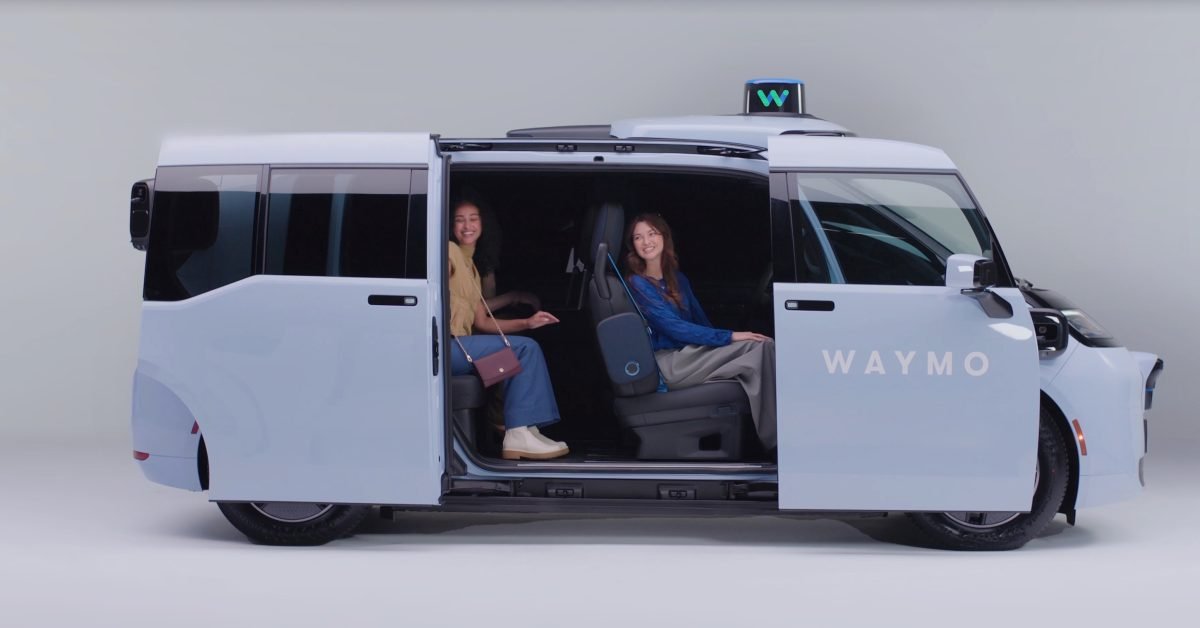
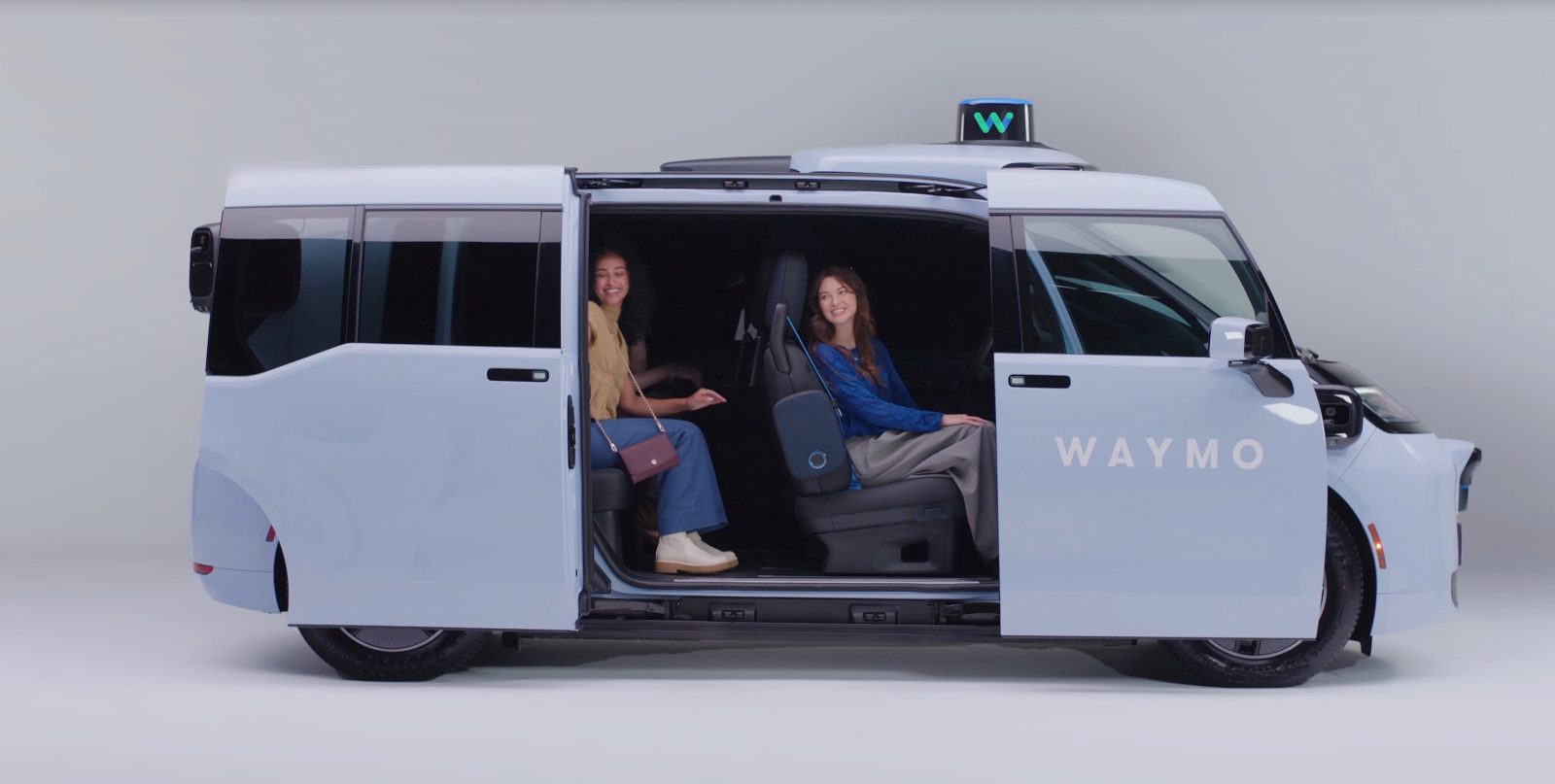
Waymo has activated fully driverless operations in Las Vegas, its riders will now see vehicles with no human at the wheel, and the Alphabet unit says Denver, San Diego, and Tampa are next in line.
The move adds four new markets to Waymo’s driverless footprint and pushes the company deeper into its target of 1 million paid rides per week by the end of 2026.
Four new cities, no safety driver
Waymo announced the expansion on Tuesday, confirming that Las Vegas vehicles are running “with no human at the wheel” starting today, with Denver, San Diego, and Tampa “to follow.” The company is directing interested riders to download the Waymo app to be notified when service opens in their city.
The distinction matters. Waymo has been testing in several of these markets with human safety operators behind the wheel for months. Flipping to fully driverless, what Waymo calls “autonomous mode activated”, is the milestone that turns a test program into a commercial robotaxi service.
Waymo now operates a fleet of roughly 3,500 robotaxis and has surpassed 20 million trips. It was providing around 500,000 paid rides per week across its existing markets earlier this year, which include Phoenix, San Francisco, Los Angeles, Austin, Atlanta, Miami, Dallas, Houston, San Antonio, and Orlando.
Scaling toward 1 million weekly rides
The Las Vegas launch is the latest step in an aggressive 2026 rollout. Waymo raised a $16 billion round at a $126 billion valuation earlier this year — the largest investment ever in an autonomous vehicle company — specifically to fund this kind of city-by-city expansion.
In May, the company expanded its total service area past 1,400 square miles across 11 US cities, more territory than the entire state of Rhode Island. It is also rolling out its purpose-built Ojai robotaxi with 6th-generation Driver hardware, the first vehicle Waymo designed from the ground up rather than retrofitting a consumer car.
Co-CEO Tekedra Mawakana has framed 1 million weekly rides as an “inflection point” for the business. Waymo has said it plans to reach that number by the end of 2026, with international service in London and then Tokyo to follow.
Tampa is a notable addition to the list. Waymo’s previously disclosed 2026 expansion targets included Washington, Detroit, Las Vegas, San Diego, Denver, and Orlando, but Tampa gives the company a second Florida market and further concentrates its growth in the Sun Belt.
The competitive gap with Tesla
Waymo’s driverless expansion stands in sharp contrast to the state of its closest US robotaxi rival. Tesla launched its “Robotaxi” service in Austin in June 2025 and has since expanded to Dallas, Houston, and Miami, but the fleet remains tiny — roughly 20 driverless vehicles covering about 245 square miles of the Austin metro, according to third-party tracking data.
Tesla removed its in-car safety monitors around the one-year mark, but its vehicles still rely on remote operators who can take control at low speed to reposition a stuck car. We tracked the slow ramp as Tesla expanded its Austin service area with only a handful of cars.
Tesla has tied any major fleet ramp to the release of Full Self-Driving v15, which it has targeted for late 2026 or early 2027. Waymo, meanwhile, is adding entire cities to its driverless network on a near-monthly basis.
Electrek’s Take
This is what scaling actually looks like. Waymo isn’t announcing a plan or a date — it is turning off the safety driver in a new city and telling people to download the app. Las Vegas today, three more cities queued behind it, all backed by a 3,000-vehicle fleet and $16 billion in fresh capital.
The Tampa addition is the most interesting detail. Waymo keeps expanding the target list even as it executes on the existing one, which is the opposite of the pattern we’ve grown used to in this industry, where the goalposts move and the launch dates slip. Waymo’s dates are slipping forward, not backward.
The honest challenge for Waymo is economics. Like Tesla, Waymo relies on some remote monitoring. Running fully driverless in 14-plus markets is expensive, the Ojai hardware is new, and 1 million weekly rides by year-end is a genuinely hard number to hit. But on the core question, can you take the human out of the driver’s seat and run a real commercial service, Waymo has stopped debating and started shipping.
The question is, when does the volume support the cost of the infrastructure needed to operate this growing fleet?
If you’re rethinking your driving costs in a world of robotaxis and rising energy prices, powering your home and EV with solar is one of the smartest ways to lock in low costs for the long haul. With electricity rates climbing nearly 10% last year, home solar protects you against future rate increases. And with lease and PPA options, you can go solar with zero upfront cost and start saving immediately. If you want to find the best deal, check out EnergySage. It’s a free service with hundreds of pre-vetted installers competing for your business, so you save 20 to 30% compared to going it alone. No sales calls until you pick an installer. Get your free quotes here.


FTC: We use income earning auto affiliate links. More.