

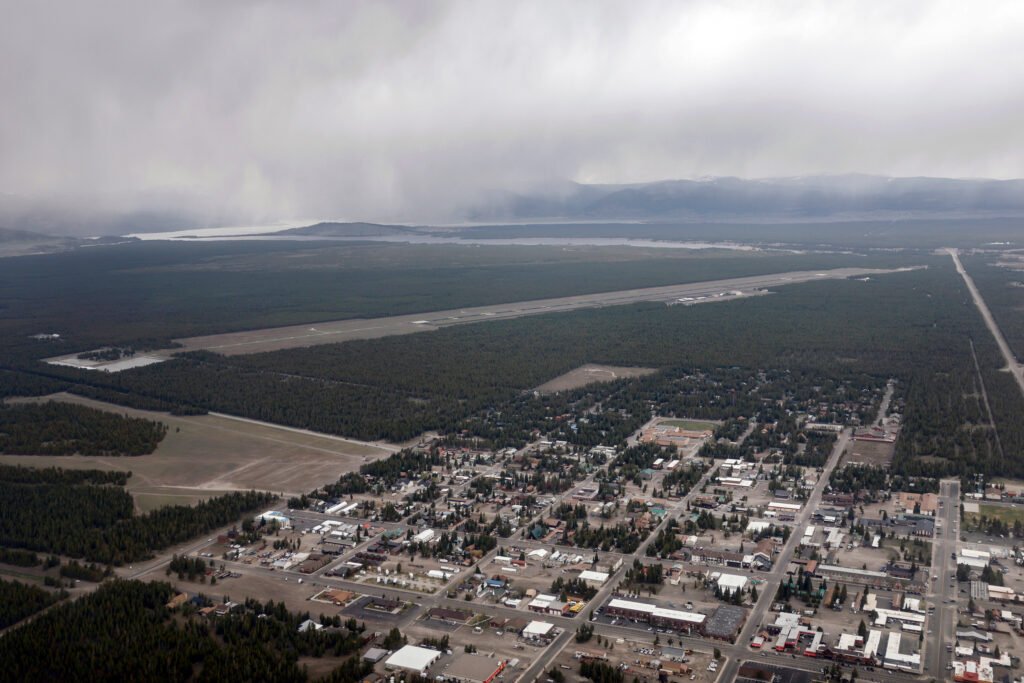
Just weeks ago, western Montana appeared to have escaped the early wildfires that forecasters feared after one of the warmest and driest winters on record, as heavy rains in late June soaked forests and grasslands, tamping down the threat. But scientists now warn that the reprieve may be ending as prolonged July heat rapidly dries vegetation across the state.
The recent heat wave pushed temperatures well into the 90s across western Montana, while portions of the eastern part of the state climbed above 100 degrees Fahrenheit, with some locations setting new daily or all-time record highs. The National Weather Service says the prolonged heat is rapidly drying vegetation just weeks after late-June rains temporarily eased wildfire concerns.
The shift highlights how climate change is making Montana’s wildfire seasons increasingly unpredictable. Instead of a simple progression from the cold temperatures and moisture of winter to drier, warmer seasons, scientists say the state’s fire risk is now shaped by the erratic interactions of record-warm winters, shrinking snowpack, spring rainfall, prolonged heat and the timing of summer thunderstorms.
A powerful ridge of high pressure has settled across the Northern Rockies, bringing dangerous heat to parts of Montana and accelerating the drying of grasses and other fine fuels. The National Weather Service says eastern Montana faces the greatest immediate concern, while forecasters expect warmer-than-normal conditions to persist through the remainder of July, increasing wildfire risk across western and southwestern parts of the state as summer progresses.
“This heat will begin to stress finer fuels, such as grasses,” said Alex Lukinbeal, a meteorologist with the National Weather Service in Missoula. “Over the next few weeks, fuels will continue drying out and fire risk will increase.”
Late Wildfire Season Poses New Threats
Montana’s delayed fire season reflects an unusual sequence of weather events.
Low snowfall and the unusually warm winter left many lower- and mid-elevation slopes with very little snow in spring. While an unusually wet June temporarily offset those deficits, rainfall moistens the landscape for a fraction of the time that a melting snowpack would.
The recent rainfall lowered Energy Release Component (ERC) values across Montana, making forests and grasslands less receptive to wildfire than they typically are in early July, Lukinbeal said in an interview with Inside Climate News. ERC estimates how dry vegetation has become and how intensely a fire could burn.
But the moisture that reduced that fire threat can also lead to a bloom of fine fuels, so when drought returns, the landscape is more combustible than before the rains.
The National Weather Service is closely monitoring how quickly fuels dry during the second half of July as temperatures climb across the region.
The Climate Prediction Center is forecasting a 40 to 70 percent probability of above-normal temperatures through the remainder of the month, increasing confidence that wildfire danger will rise as vegetation dries.
Precipitation forecasts are less certain. Periodic surges of monsoon moisture could bring thunderstorms to parts of Montana, but those storms may be unevenly distributed and may not provide enough sustained rainfall to offset prolonged heat. The result is a complicated pattern in which brief rainfall may temporarily slow the drying of vegetation, but hot conditions between storms continue to cure grasses and other fine fuels. Some thunderstorms may drop only lightning on increasingly dry vegetation. Lightning typically starts 20 to 30 percent of Montana’s wildfires, particularly in remote wilderness areas, Lukinbeal said.
Last month’s short-term cooling of the fire threat also masks a much larger climate trend.
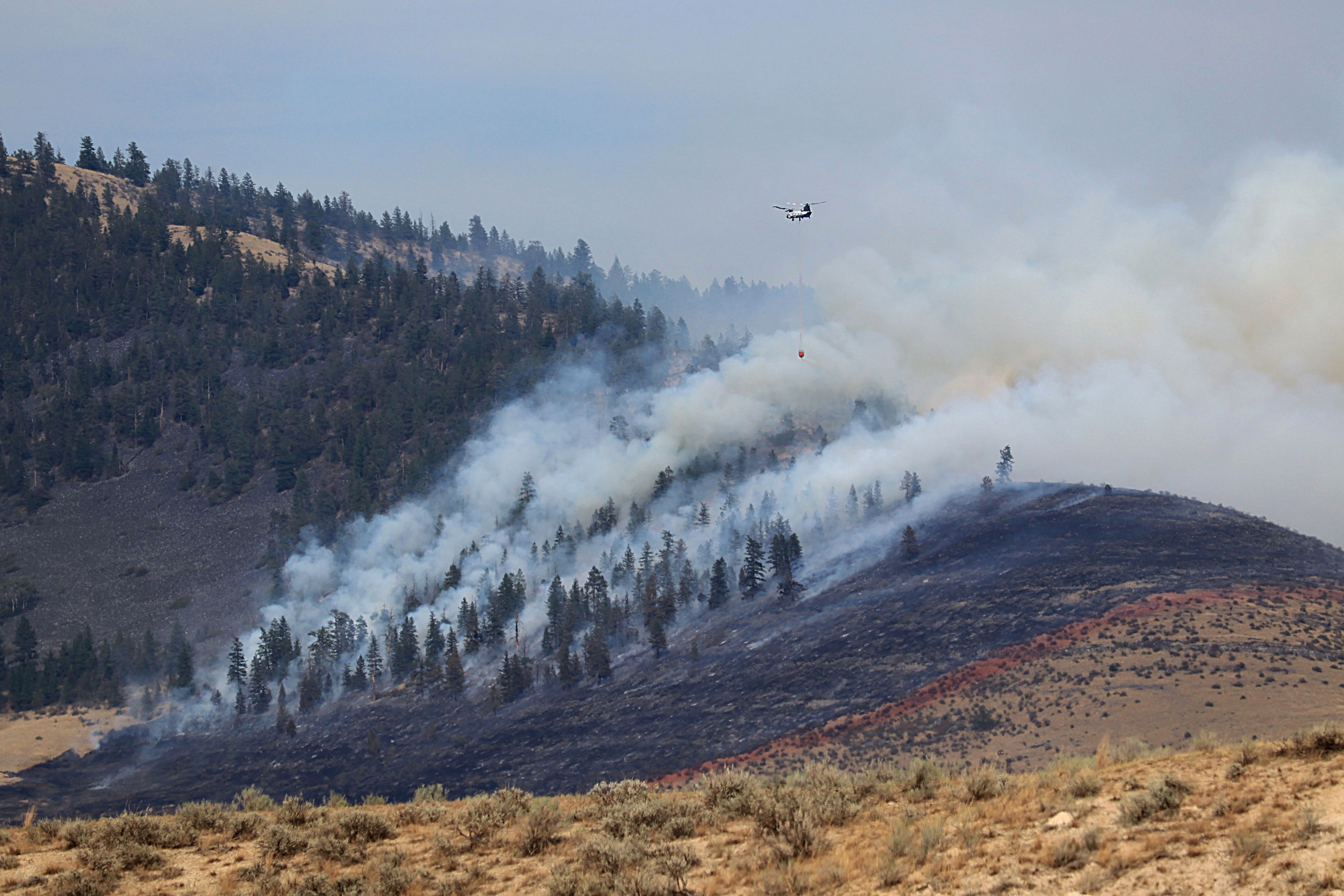
The Summer Legacy of an Historically Warm Winter
The current fire season is unfolding against the backdrop of a record warm winter across Montana.
Butte experienced the warmest winter in its recorded history, nearly 10 degrees above average, according to National Weather Service records, while Missoula experienced its second warmest winter on record, averaging 7.3 degrees Fahrenheit above normal, and Kalispell recorded its fourth warmest winter.
Montana experienced a volatile snow season, with paltry accumulations at low and mid elevations further reduced by warm winter temperatures. By the end of April, many snow monitoring stations below approximately 7,000 feet had already lost nearly all of their seasonal snow, reducing the meltwater snowpack releases in the summer months.
Although higher elevations retained near-normal snowpack, scientists say lower-elevation snow is particularly important because it melts gradually through spring and early summer, helping maintain soil moisture during the start of fire season.
This story is funded by readers like you.
Our nonprofit newsroom provides award-winning climate coverage free of charge and advertising. We rely on donations from readers like you to keep going. Please donate now to support our work.
If the heat hadn’t arrived in Montana until later in July, the state might have had a shorter fire season, Lukinbeal said, but recent heat has made that less likely.”If we start heating up earlier, then our fire season is going to be longer,” he said.
Several consecutive days with temperatures approaching 95 to 100 degrees Fahrenheit rapidly dries grasses and other fine fuels, he said, and recent rains may have driven a growth spurt, creating conditions more favorable for wildfire to ignite and spread.
Last month, Climate Smart Missoula and the U.S. Forest Service hosted free community forums in Missoula and Kalispell during Montana Wildfire Smoke Ready Week to describe what to expect during the upcoming wildfire season in western Montana. Panelists shared up-to-date weather and climate projections, and tips on how best to prepare for wildfires and accompanying smoke.
Shifting Montana Wildfire Trends
Climate change is not simply increasing wildfire risk in Montana, but when that risk develops, scientists say. Rather than following the historical rhythm of Montana’s seasons, wildfire risk is increasingly being shaped by changes in the timing of snowmelt, rainfall and summer heat.
As warmer winters reduce snowfall at lower elevations and melt snowpack earlier, more precipitation falls in spring rather than late summer. That shift can temporarily suppress fire danger early in the season, but hotter summers quickly dry vegetation, creating more combustible conditions later in July and August.
Kyle Bocinsky, director of the Montana Climate Office at the University of Montana, said projected increases in heat and aridity by mid-century are likely to drive longer fire seasons and more widespread smoke events.
“Our peak fire season is not only going to be warmer,” Bocinsky said, “but also drier.”
Even without widespread large fires, smoke may still become one of Montana’s biggest climate challenges, said Mike West, fire prevention and mitigation specialist with the Flathead National Forest.
Since wildfire smoke can travel hundreds of miles, fires in Idaho, Oregon, Washington or western Canada can degrade air quality across Montana. Even communities far from the flames can face serious health threats from particulate matter in smoke from distant fires or the ozone it can create.
About This Story
Perhaps you noticed: This story, like all the news we publish, is free to read. That’s because Inside Climate News is a 501c3 nonprofit organization. We do not charge a subscription fee, lock our news behind a paywall, or clutter our website with ads. We make our news on climate and the environment freely available to you and anyone who wants it.
That’s not all. We also share our news for free with scores of other media organizations around the country. Many of them can’t afford to do environmental journalism of their own. We’ve built bureaus from coast to coast to report local stories, collaborate with local newsrooms and co-publish articles so that this vital work is shared as widely as possible.
Two of us launched ICN in 2007. Six years later we earned a Pulitzer Prize for National Reporting, and now we run the oldest and largest dedicated climate newsroom in the nation. We tell the story in all its complexity. We hold polluters accountable. We expose environmental injustice. We debunk misinformation. We scrutinize solutions and inspire action.
Donations from readers like you fund every aspect of what we do. If you don’t already, will you support our ongoing work, our reporting on the biggest crisis facing our planet, and help us reach even more readers in more places?
Please take a moment to make a tax-deductible donation. Every one of them makes a difference.
Thank you,

Fellow
Mosabber Hossain is an Inside Climate News Fellow and an award-winning climate and environmental investigative journalist from Bangladesh. His reporting focuses on climate change, biodiversity, environmental justice, adaptation and corruption. His work with Reuters and other international outlets has been republished globally, and some of his reporting contributed to discussions featured on the agenda of the World Economic Forum. Mosabber is a graduate student at the University of Montana studying environmental science and natural resource journalism. Previously, he was a fellow with the Institute for Journalism and Natural Resources and Investigative Reporters and Editors. He is a recipient of the South Asian Investigative Journalism Award from the Thomson Foundation and was featured among eight journalists during the organization’s 60th anniversary for the impact of his investigative reporting. Mosabber is also a wildlife and nature photographer whose work has been published internationally.