


4 min readNew DelhiJul 17, 2026 12:30 PM IST
At 36, actor Shweta Kawaatra became a mother. Four years later, she was told she had entered menopause. The diagnosis came as a shock, leaving her devastated. But instead of accepting it as final, she decided to explore alternative therapies, including acupuncture. According to the actor, her periods eventually returned—an experience that has sparked curiosity about whether menopause can really be reversed.
Speaking on The Achievers and Wellness Show with Shynee Narang, Kawaatra recalled the emotional impact of the diagnosis. “At 40, the doctor runs tests on me, my gynec. And she said, you’re in menopause. I was so down in the dumps.”

Refusing to accept the diagnosis, Kawaatra turned to acupuncture after someone recommended the therapy. She said the practitioner believed an “autoimmune” condition had disrupted her hormone levels and assured her that treatment could help restore her health. According to the actor, her menstrual cycles eventually returned.
DISCLAIMER: This article is based on information from the public domain and/or the experts we spoke to. Always consult your health practitioner before starting any routine.
Kawaatra believes her mindset and faith were just as important as the treatment itself. “I had my periods back. But I also used to chant a lot that I do believe that the process will work. So yes, things outside work may work for someone, may not work with someone.”
She added: “More than anything else, more than the pill, more than the treatment, what is important is an inner determination.”
Can menopause really be reversed?
While Kawaatra’s experience is certainly unusual, experts say it should not be seen as proof that menopause can generally be reversed.
“This seems to be a most intriguing and heartening case, yet it must be considered as a single medical incident at best and not the proof of menopause reversal,” clarifies Dr Hritul Madge, Senior Consultant-IVF Specialist, Obstetrician & Gynaecologist, Ankura Hospital for Women and Children, Aundh, Pune.
He explains that if ovarian function is interrupted by an “underlying medical condition rather than natural ageing”, treating the underlying cause may allow some ovarian function to return. However, natural menopause is widely regarded as an irreversible biological process, and there is currently no reliable method of reversing it.
Story continues below this ad
Dr Madge adds that the return of menstrual periods does not necessarily mean menopause itself has been reversed. Instead, it may indicate that ovarian activity, which had temporarily stopped, resumed after treatment. “Further clinical validation and long-term investigation are needed to get a clearer picture.”
What role can autoimmune diseases play?
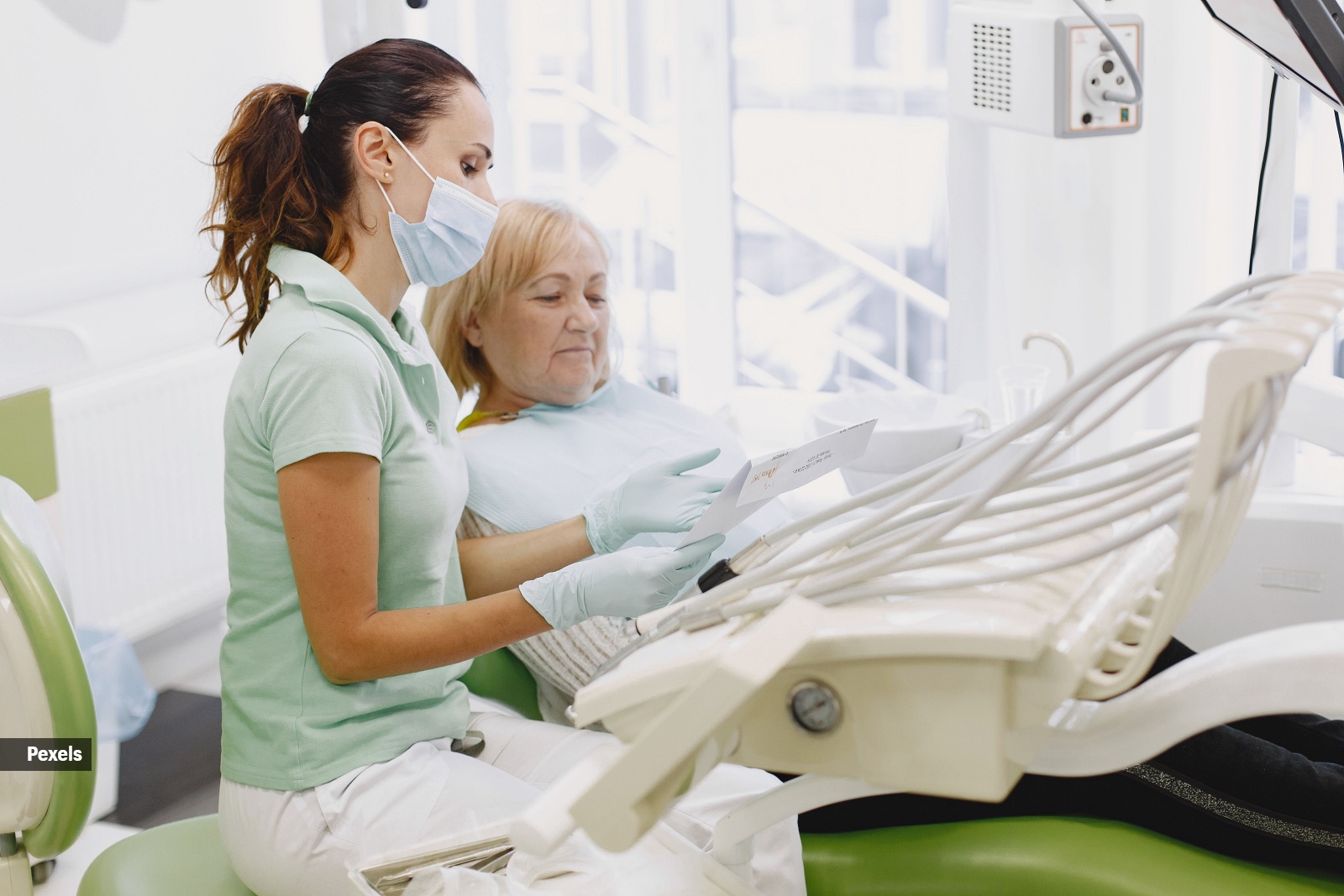 Natural menopause is generally considered irreversible, with no proven method to reverse it, as of now (Image: Pexels)
Autoimmune diseases occur when the immune system mistakenly attacks the body’s own tissues instead of protecting it from infections. In some women, this immune response can target the ovaries, like in Shweta’s case, disrupting hormone production and egg development, which may lead to “disruption of hormone levels and egg growth causing premature ovarian failure.”
“If it is possible to identify such autoimmune disorder at an early stage and control it properly then there is a slight possibility that ovarian functioning will get back to normal in some people although this is very rare and it may not happen the same way for different persons,” says Dr Madge.
What should women do if menopause happens early?
If you experience menopausal symptoms or irregular periods much earlier than expected, consult a reproductive endocrinologist or infertility specialist “instead of experimenting with unproven therapies”.
Story continues below this ad
A thorough evaluation—including hormone tests, ultrasound scans, and investigations for possible underlying causes such as autoimmune disorders and genetic factors—is essential. While natural menopause cannot currently be reversed, identifying and treating premature ovarian insufficiency early may help preserve or, in some cases, partially restore ovarian function and improve fertility prospects.
DISCLAIMER: This article is based on information from the public domain and/or the experts we spoke to. Always consult your health practitioner before starting any routine.