

For every medicine that reaches a pharmacy shelf, many others do not make it that far, not necessarily because the science was flawed, but because testing models do not always predict how those medicines will behave in the human body. This long-standing challenge sits at the heart of global drug development. For India, which supplies affordable medicines to more than 200 countries and exports over $30 billion annually, it also presents an opportunity to build on its pharmaceutical strengths and engage with the next phase of how medicines are discovered, developed, tested and delivered.
As the sector matures, future growth must be anchored in value creation through original drug discovery, complex biologics and stronger domestic innovation capabilities. Central to this transition will be India’s ability to adopt and scale Non-Animal Testing Models (NAMs), positioning them as a core pillar of its drug innovation ecosystem.

Understanding NAMs
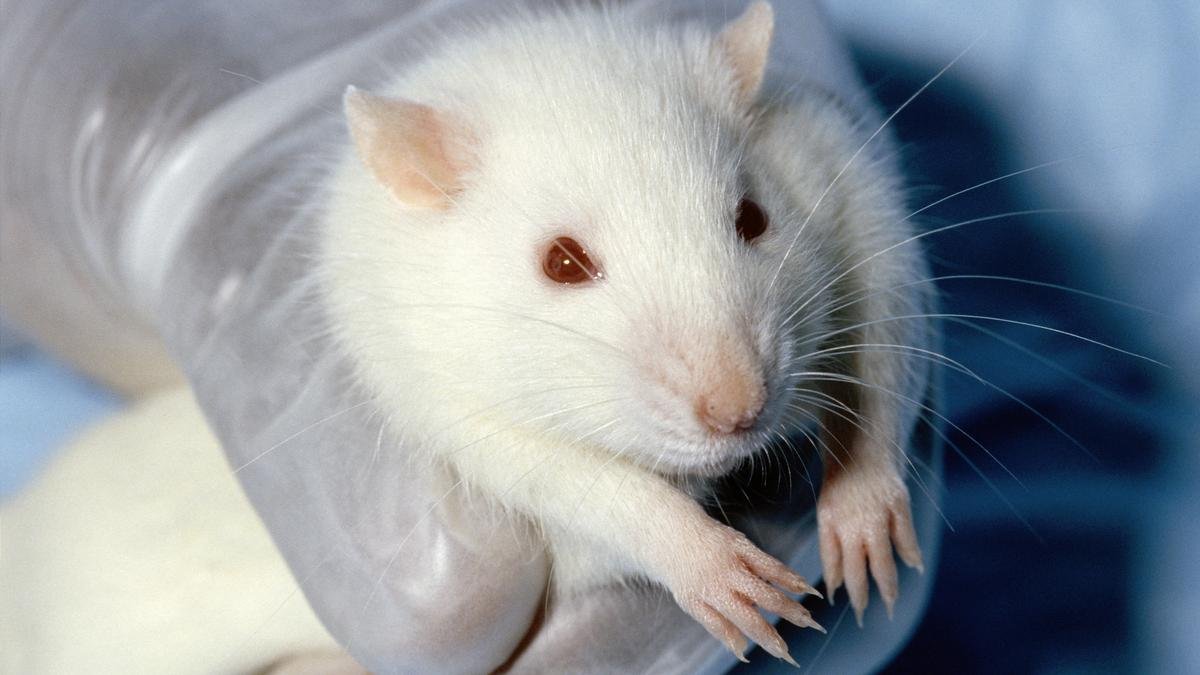
Globally, only around 10% to 14% of drug candidates entering Phase I trials ultimately receive regulatory approval. A significant factor is the limitations of traditional preclinical models, particularly animal testing, which often struggle to accurately predict human responses. The consequence is not only high attrition and rising costs but also delays in bringing effective treatments to patients. Addressing this gap is therefore both a scientific and public health imperative.
A new class of tools, collectively referred to as Non-Animal Testing Models, is emerging as a credible complement to existing systems. These include organoids, organ-on-chip platforms, advanced computational models and artificial intelligence-enabled approaches designed to generate insights grounded in human biology. Increasingly, these tools are demonstrating the ability to improve predictive accuracy, shorten development timelines and support more informed decision-making in drug development.
The Indian scenario
India’s engagement with NAMs has evolved steadily over the years. Greater emphasis on laboratory animal ethics and institutional oversight has encouraged researchers to explore alternative approaches. This led to the adoption of a range of platforms, including C. elegans, Drosophila, zebrafish systems, yeast-based models and ex vivo tissue studies. More recently, three-dimensional organoids and human-relevant cellular models have expanded the scientific toolkit available for biomedical research. Together, these developments have helped create a foundation for wider adoption of NAMs across the life sciences ecosystem.
Internationally, adoption is gathering pace. The United States, European Union, United Kingdom and Japan have moved beyond experimentation to establish national centres, dedicated funding streams and validation programmes for NAMs. Regulatory pathways are increasingly being adapted to accommodate alternative testing approaches, while governments continue to invest in the supporting research infrastructure. For India, engaging early with this shift will be critical not only to remain competitive but also to play a role in shaping emerging global standards.
An opportunity
This transition presents India with a strategic opening. The country’s existing strengths include a robust generics industry, growing biosimilars capability and a well-established contract research ecosystem. However, moving from scale to innovation will require a decisive shift in how drug development is approached.
Integrating NAMs into research and development pipelines can enable more reliable science, faster development cycles and stronger intellectual property creation. In this sense, NAMs are not simply an efficiency tool; they are an enabler of India’s ambition to become a hub for drug discovery and innovation.
In the near term, there are practical entry points. Incorporating NAMs into generics quality testing and biosimilar development offers an opportunity to enhance efficiency without disrupting existing systems. In areas such as pyrogen and endotoxin testing, validated non-animal alternatives are already available and can be adopted at scale. For more complex therapies, NAMs can complement conventional approaches and support better decisions earlier in the development cycle.
The relevance of NAMs also extends beyond pharmaceuticals. In the cosmetics and personal care sectors, virtual skin models and computational testing platforms have demonstrated the ability to generate robust safety data without relying exclusively on animal studies. Advances in sequencing technologies, allergen databases and multi-omics platforms are providing deeper insights into biological pathways, metabolism, genomics and proteomics. Artificial intelligence tools are further helping researchers analyse concordance between animal and human datasets, improving confidence in human-relevant models and expanding their potential applications.
Regulatory pathways
To fully realise this opportunity, however, a more coordinated effort is required across government, industry and academia. While India possesses significant scientific capabilities and research infrastructure relevant to NAMs, much of this capacity remains underutilised and lacks formal integration into regulatory pathways. At present, progress remains constrained by limited regulatory clarity and the absence of a unified national strategy. Addressing these gaps does not require starting anew, but rather aligning existing strengths with a clear and shared direction that recognises NAMs as a strategic priority.

A national framework for NAMs adoption would provide that direction. A central coordinating mechanism can help align stakeholders, prioritise investments and ensure that India moves in step with global developments. India’s regulatory system already permits the use of NAMs in areas such as proof-of-concept studies, target identification, drug screening and aspects of toxicology. The next step is to expand acceptance pathways and formally recognise existing capabilities across research institutions and testing facilities. Clear guidance on the use and acceptance of NAMs-generated data will provide confidence to industry, accelerate adoption and signal India’s intent to global partners.
Looking ahead
The broader implication is not limited to improving efficiency in drug development. It is about positioning India as an active participant in defining the future of medical science. While animal studies continue to play an important role and cannot be entirely replaced at present, advances in NAMs are enabling a more balanced and scientifically informed approach that can progressively reduce dependence on laboratory animals.
The opportunity is clear. By aligning policy direction, industrial capability and scientific advancement with NAMs at the core, India can strengthen its pharmaceutical ecosystem while positioning itself as a credible force in global drug innovation, contributing meaningfully to a transition that ultimately benefits patients everywhere.
Dr. N.K. Ganguly is former director-general, Indian Council of Medical Research. ganguly1nk@gmail.com.
Published – July 16, 2026 09:15 am IST