

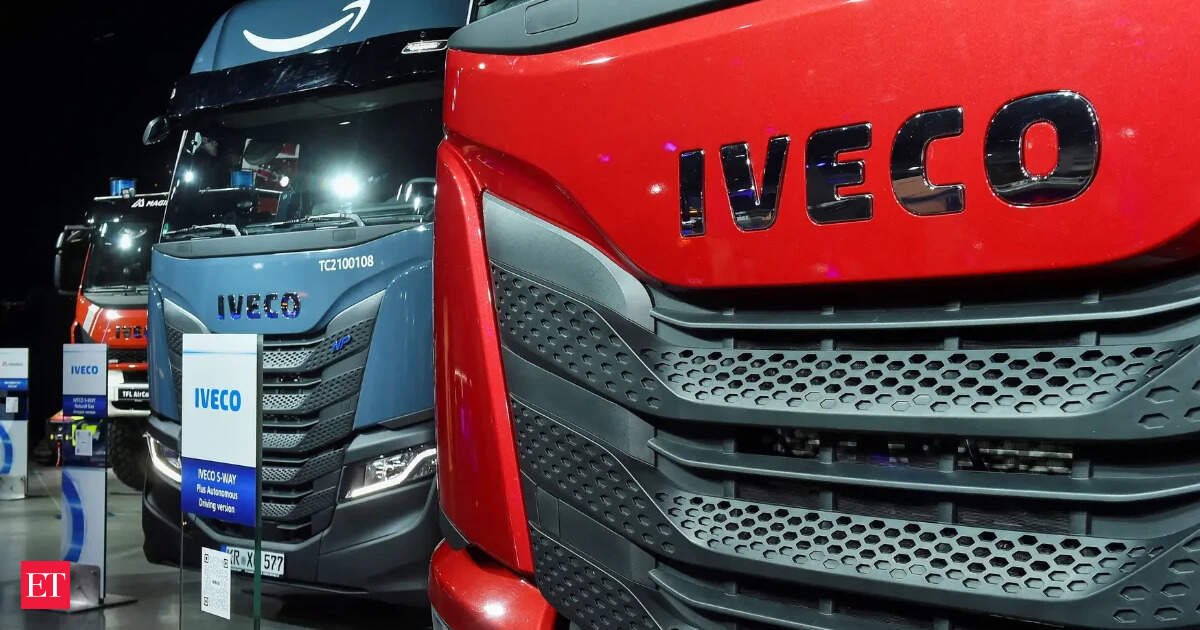
Addressing the company’s first annual general meeting since the demerger of its commercial vehicle (CV) and passenger vehicle businesses, Chandrasekaran said the Iveco acquisition, expected to close before the end of September, would significantly expand Tata Motors’ global CV presence through complementary products, advanced technologies and access to new markets.
Tata Motors announced the acquisition of Turin-based Iveco on July 30, 2025 for $4.4 billion. The acquisition will be funded through a mix of debt and internal cash, with the debt to be serviced and repaid through Iveco’s future cash flows. “No equity dilution is envisaged,” the chairman said, responding to shareholder queries on the financing of the transaction.
Also read | Tata Motors CV bets on Iveco deal to prop up local, global play
Chandrasekaran said Iveco’s strong presence in light CVs, buses and engine technologies would create significant synergies with Tata Motors’ existing business. The deal is also expected to strengthen the company’s presence in Europe and Latin America while providing opportunities for joint research and development, technology sharing and cross-selling through each other’s distribution networks.

The chairman said Tata Motors’ annual capital expenditure would typically remain in the range of 2-4% of revenue, depending on product development programmes, with nearly 40% of the spending currently directed towards future technologies.
On shareholder returns, he said the company expects to maintain a dividend pay-out ratio of 40-50%, with scope to increase it as the capital expenditure cycle moderates.Also read | Tata Motors bullish on CV demand as India growth can outweigh Iran war impact in long term
He identified geopolitical uncertainty, supply chain disruptions and commodity price volatility as the three biggest risks facing the business. Tata Motors is addressing these through greater localisation of components, cost management and value engineering initiatives, he said.
Chandrasekaran also said the company will continue investing heavily in cybersecurity as digital threats increase, while exploring artificial intelligence to strengthen cyber resilience across the group. Tata Motors has no plans to separately list its electric vehicle business and remains focused on profitable growth and long-term value creation, he said.