

Close Menu

    Subscribe to Updates

    Get the latest news information from worldwide businesses.

    What's Hot

    The Best Resorts in Costa Rica for 2026

    June 24, 2026

    Study challenges a common belief about vitamin D and sunlight

    June 24, 2026

    Rural areas lag behind in cancer treatment and prevention – even as rich, urban areas increasingly leave dying from cancer in the rearview

    June 24, 2026
    Facebook Instagram YouTube LinkedIn X (Twitter)
    Trending
    • The Best Resorts in Costa Rica for 2026
    • Study challenges a common belief about vitamin D and sunlight
    • Rural areas lag behind in cancer treatment and prevention – even as rich, urban areas increasingly leave dying from cancer in the rearview
    • Congresswoman denies staff used AI to write defense funding amendment
    • Here’s why Slate changed the battery in its cheap EV truck
    • S&P cuts India’s FY27 growth forecast to 6.6%, sees inflation at 5.1%
    • Air India, IndiGo jets face off on same taxiway at Ahmedabad
    • Oil prices fall back to preconflict levels, but Trump’s comments on Iran show that supply risks remain
    Newspublicly
    • About Us
    • Advertise & Partner with us
    • Pitch Your Story
    • Contact Us
    Facebook Instagram LinkedIn X (Twitter)
    Subscribe
    • Home
    • World News
      • Asia
      • India
      • USA
      • UK & Europe
      • Middle East
    • Economy & Business
      • Global Economy
      • Corporate & Industry
      • Finance & Markets
      • Policy & Trade
    • Technology
      • Gadgets & Devices
      • Software & Apps
      • AI & Machine Learning
      • Robotics & Automation
    • Health & Medicine
      • Fitness & Nutrition
      • Research & Innovation
      • Disease & Treatment
      • Doctors, Clinics & Patient Care
    • Travel & Tourism
    • Automobile
      • Electric & Hybrid Vehicles
      • Auto Industry Insights
    • Sports
    • More
      • Education
      • Real Estate
      • Environment & Climate
      • Space & Astronomy
      • War & Conflicts
    Newspublicly
    Home»Health & Medicine»Disease & Treatment»Five-min walk break every hour feasible, effective in offsetting harms of prolonged sitting: Study
    Disease & Treatment

    Five-min walk break every hour feasible, effective in offsetting harms of prolonged sitting: Study

    AdminBy AdminJune 24, 2026No Comments3 Mins Read0 Views
    Share
    Facebook Twitter LinkedIn Copy Link WhatsApp


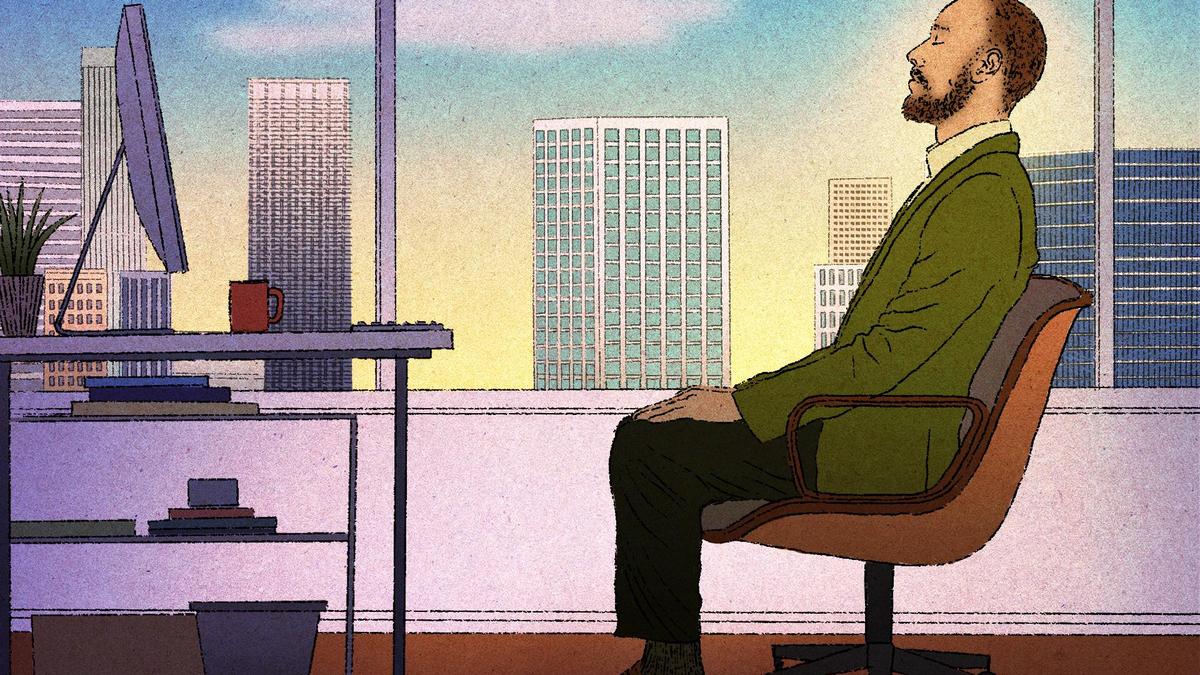
    Taking short breaks did not affect work performance, the survey results indicated |Image used for representational purpose only

    Taking short breaks did not affect work performance, the survey results indicated |Image used for representational purpose only
    | Photo Credit: AP

    A five-minute walking break every hour strikes the best balance between feasibility and effectiveness in mitigating health harms of sitting for long durations, according to a study conducted in real-world settings.

    Effects of the brief breaks, which include a boost in mood and lessening of fatigue, do not undermine work performance and suggest that the measures can be included in public health strategy and physical activity guidelines, findings published in the British Journal of Sports Medicine indicate.

    Being sedentary for a prolonged time has emerged as a significant public health concern with associated risks including a heightened chance of developing obesity, diabetes and heart disease, among other chronic conditions. Risks can also involve early death.

    Researchers, including those from Columbia University Medical Center in the US, said that while brief, regular movement breaks have been proposed as a public health strategy to offset the harms of prolonged sedentary behaviour, real-world viability of the intervention is unclear.

    Data of more than 19,300 adults who took part in an interactive ‘Body Electric Challenge’ organised by the US’ National Public Radio (NPR) was analysed.

    Nearly 60%, or 11,484, of all the participants — who spanned across a wide range of ages, occupations and work environments — took 5-minute walking breaks at a self-selected break frequency of either 30, 60, or 120 minutes for 14 days straight, preceded by seven days of their usual routine.

    A daily email survey throughout the 21-day period assessed changes in fatigue, mood, and work performance of the participants.

    “In this large-scale, pragmatic intervention, movement breaks demonstrated good implementation potential and effectiveness for improving psychosocial outcomes over the two-week intervention period. Hourly breaks offered the best balance between feasibility and effectiveness,” the authors wrote.

    “These findings support movement breaks as a potentially viable public health strategy to reduce the harms of prolonged sedentary behaviour,” they said.

    Implementation potential of the intervention was assessed using the ‘Feasibility, Acceptability and Appropriateness of Intervention Measures’ questionnaire.

    Analysis of the survey results showed that all three break frequencies — 30, 60 and 120 minutes — were rated as feasible, acceptable, and appropriate, indicating an implementation potential.

    Feasibility was found to be higher at lower break frequencies, while acceptability and appropriateness were high across all three.

    Reported fatigue and low mood fell and reported good mood were seen to increase significantly across the three break frequencies, with improvements showing a dose-response pattern.

    While the 120-minute break frequency showed the strongest implementation potential, it was the least effective, and although the 30-minute frequency produced the strongest improvements in fatigue and mood, it scored low on feasibility and compliance, the researchers said.

    “The 60-minute arm offered the most favourable balance, yielding acceptability and appropriateness ratings comparable to the 120-minute arm, and exceeding MID (minimally important difference) thresholds for two of three psychosocial outcomes. In addition, it was the most commonly selected dose, selected by nearly half of all participants,” they wrote.

    Taking short breaks did not affect work performance, the survey results indicated.

    Published – June 24, 2026 07:03 pm IST


    Source link

    Author

    • Admin

      NewsPublicly.com is News & Articles Platform that creating SEO-focused articles on travel, lifestyle, and digital trends.

    Admin
    • Website

    NewsPublicly.com is News & Articles Platform that creating SEO-focused articles on travel, lifestyle, and digital trends.

    Related Posts

    Rural areas lag behind in cancer treatment and prevention – even as rich, urban areas increasingly leave dying from cancer in the rearview

    June 24, 2026

    What are FDCs and why are they being increasingly banned? | Explained

    June 24, 2026

    What players should do immediately after a sports injury

    June 24, 2026
    Leave A Reply Cancel Reply

    Demo
    Top Posts

    The Blue Moon rises on May 30— Where and when to see the second full moon of the month

    May 30, 202640 Views

    New SOCOM rifle allows barrel swapping and cartridge changes

    June 1, 202633 Views

    “Inside Gemini Robotics 1.5: How Robots Learn to Reason & Act

    November 22, 202525 Views

    525 pounds of cocaine seized after Nebraska K9 alerts troopers on I-80

    May 28, 202624 Views
    Don't Miss

    The Best Resorts in Costa Rica for 2026

    June 24, 20261 Min Read0 Views

    About 45 minutes west of San Jose airport, along a series of steep windy roads,…

    Study challenges a common belief about vitamin D and sunlight

    June 24, 2026

    Rural areas lag behind in cancer treatment and prevention – even as rich, urban areas increasingly leave dying from cancer in the rearview

    June 24, 2026

    Congresswoman denies staff used AI to write defense funding amendment

    June 24, 2026
    Stay In Touch
    • Facebook
    • Twitter
    • Instagram
    • YouTube
    • LinkedIn
    • WhatsApp

    Subscribe to Updates

    Get the latest creative news from SmartMag about art & design.

    Demo
    NEWSPUBLICLY
    Facebook X (Twitter) Instagram LinkedIn

    Home

    • About Us
    • Leadership
    • Advertise & Partner With Us
    • Pitch Your Story
    • Media Kit & Pricing
    • Career
    • FAQs

    Guidelines

    • Editorial & Submission
    • Partnership
    • Advertising & Sponsor
    • Intellectual Property Policy
    • Community & Comment
    • Security & Data Protection
    • Send Your Opinion

    Quick Links

    • Cookie Policy
    • Payment & Billing Terms
    • Refund & Cancellation
    • Copyright Policy
    • Complaint & Support
    • Sitemap
    • Contact Us

    Subscribe Us

    Get the latest news and updates!

    Copyright © 2026 Newspublicly (DIGITALIX COMMUNICATION). All Rights Reserved.
    • Privacy Policy
    • Terms of Use
    • Disclaimer