

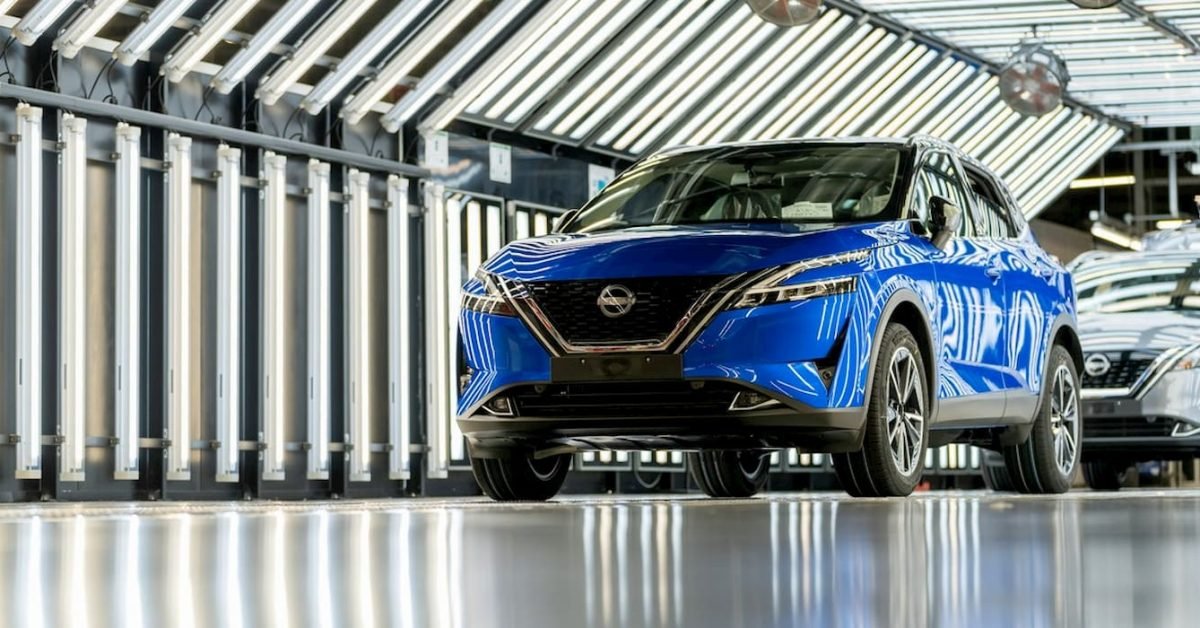
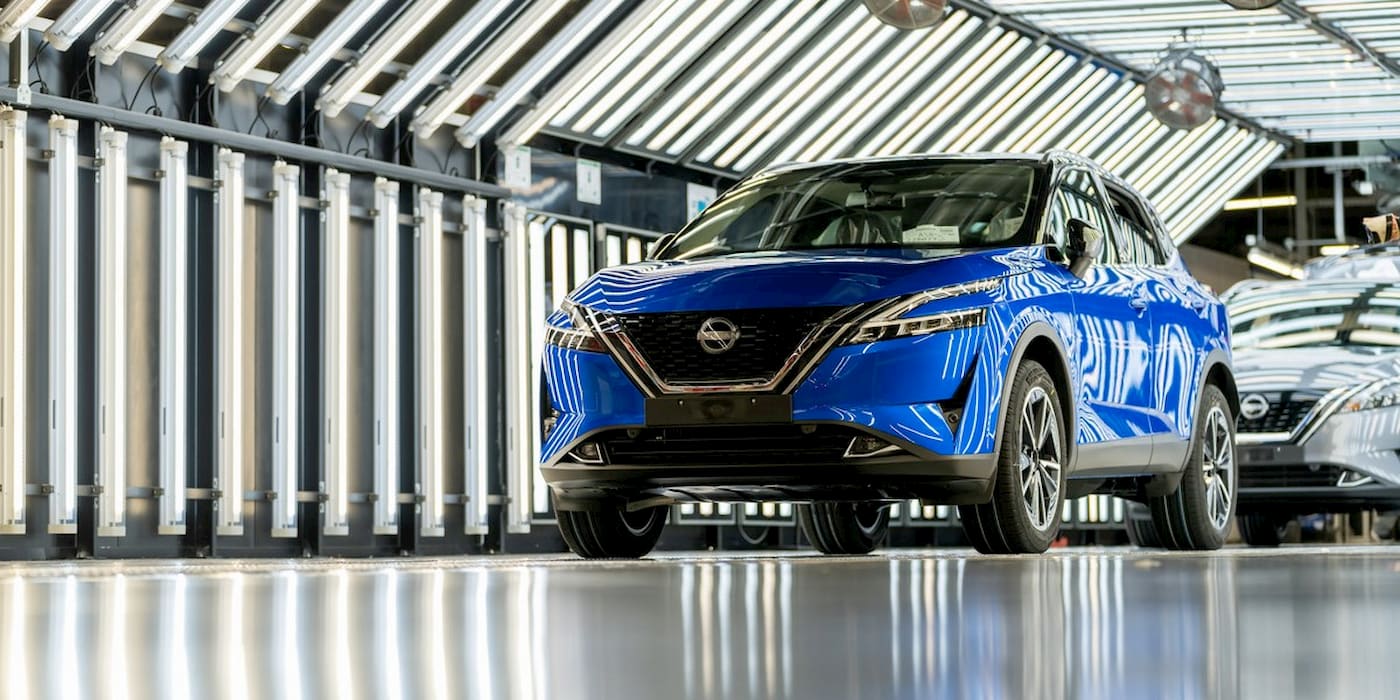
Nissan’s top-selling vehicle in Europe won’t go fully electric as planned. The Qashqai EV is dead, at least for the foreseeable future, as Nissan falls even further behind low-cost Chinese brands.
Nissan halts Qashqai EV development
The Qashqai was Nissan’s most popular vehicle in Europe in 2025, with over 147,200 units sold, accounting for about 42% of the brand’s total sales in the region.
While the crossover SUV was set to go fully electric as soon as this year, that apparently won’t be the case.
Citing six sources familiar with the matter, Reuters reported on Tuesday that Nissan has halted development of the Qashqai EV. According to the sources, Nissan halted development back in early 2025.
The move comes as Nissan scrambles to cut costs and keep pace with Chinese brands, like BYD, which are rapidly stealing market share from legacy automakers.
The electric Qashqai was one of three EVs that Nissan announced in 2023 would be built at its Sunderland plant in the UK, alongside the all-new LEAF and Juke.
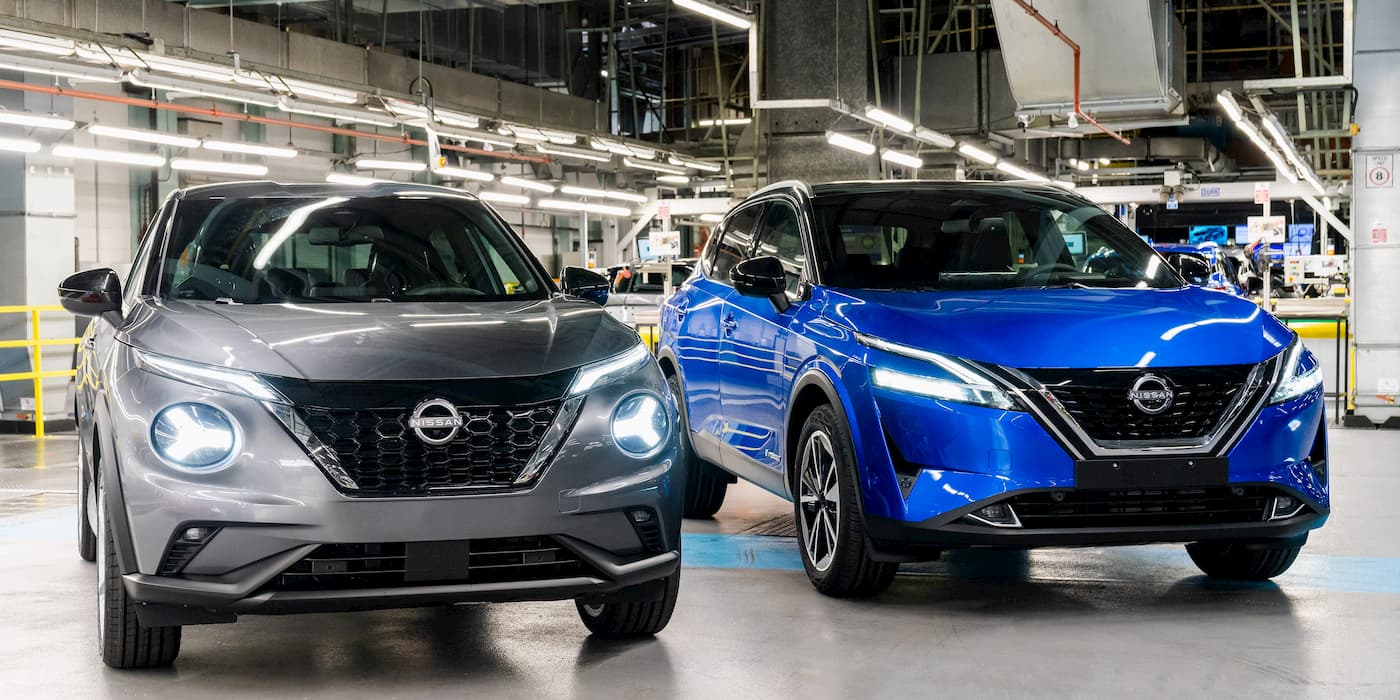
Nissan began building the new LEAF in Sunderland in December, and confirmed earlier this year that the Juke EV would join it. In April, Nissan said the Juke EV would go on sale in spring 2027.
In a statement to Reuters, Nissan did not confirm or deny plans to halt development of the Qashqai EV, stating that it remains committed to expanding its “electrified” lineup, including hybrids.
Nissan said Europe was facing “significant volatility” in EV demand, adding that from now on, it will seek a “balanced” electrification strategy.
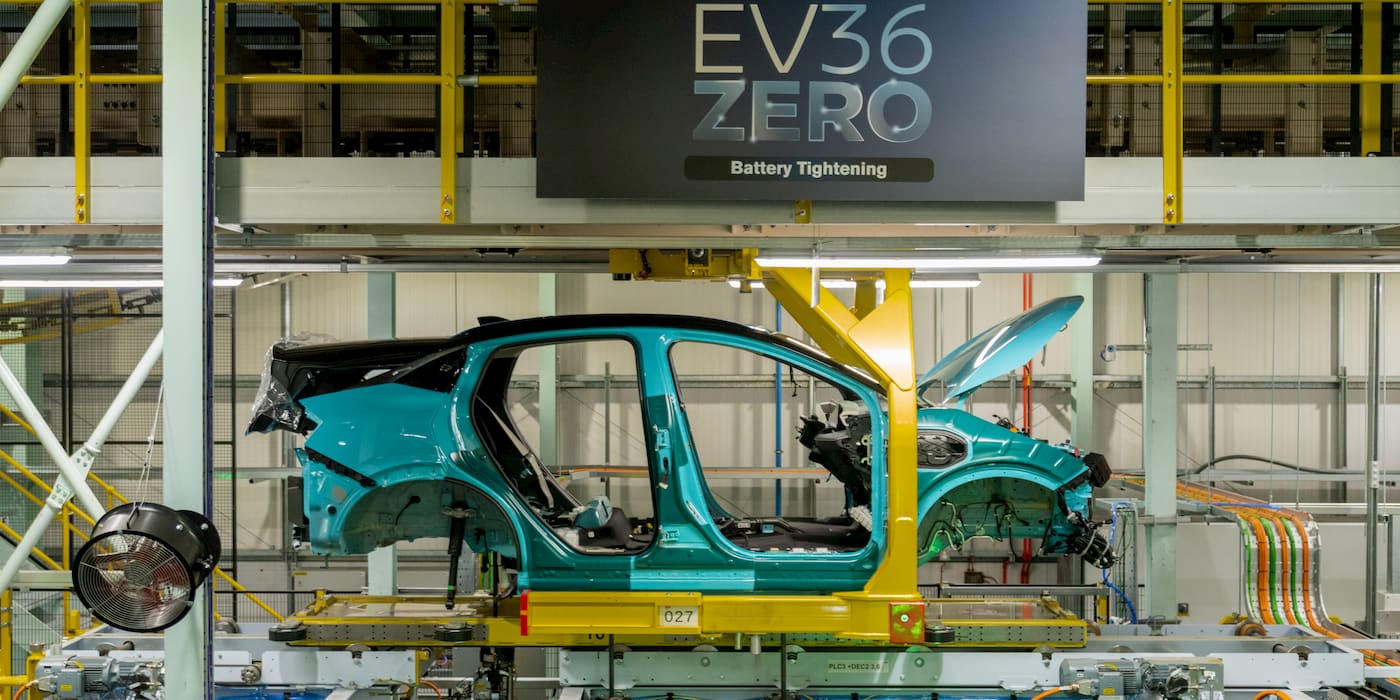
The automaker is currently in talks with London regarding financial backing for the Sunderland plant. More details are expected in the coming months.
If, and that’s a big “if,” Nissan does restart the Qashqai, it won’t be until after 2030, two sources claimed. Check back for the latest updates as this is a breaking story.
Electrek’s Take
Nissan is already falling behind. Scraping plans to launch the all-electric Qashqai would only put the company further behind as rivals race ahead.
The Japanese automaker revealed plans last year to cut 20,000 jobs, about 15% of its global workforce, as part of its recovery plan, “Re:Nissan.” It’s also closing several factories and scrapped plans for a new battery plant in Japan.
Earlier this year, Nissan said it was no longer planning to build two new electric SUVs at its Canton, Mississippi, plant and would instead focus on hybrids.
While halting major EV projects will save Nissan money, it’s only delaying the inevitable transition to fully electric vehicles.
By focusing on outdated hybrid tech that will eventually be phased out anyway, Nissan is just setting itself up for failure.


FTC: We use income earning auto affiliate links. More.