

The authority, headed by Chief Commissioner Nidhi Khare and Commissioner Anupam Mishra, has also directed both companies to immediately withdraw the claims from their product packaging, websites, and all digital platforms. The action was taken under the Consumer Protection Act, 2019, and the Guidelines for Prevention of Misleading Advertisements and Endorsements, 2022.
Also read: CCPA imposes Rs 7 lakh penalty for misleading claims relating to UPSC civil services examination results
In the absence of any statutory definition permitting a qualified interpretation, the term must be understood in its plain and literal sense by an ordinary consumer.
The CCPA took suo motu cognizance of Storia Foods’ advertisements claiming “100% Tender Coconut Water” as well as juices described as 100 per cent pomegranate, mixed fruit, mango and guava chilli. The products were promoted on the company’s website, product packaging and across e-commerce platforms, including Amazon, Flipkart, BigBasket, Blinkit, JioMart and Zepto.

Investigators found that the ingredient list for the flagship product told a different story: the drink was made from water and coconut water concentrate (9.6%), reconstituted to be “equivalent” to 100% coconut water. The word “reconstituted” appeared only in fine print in the ingredient panel not prominently disclosed alongside the headline claim.
The product also contained the Class II preservative INS 202, which the CCPA said made a concurrent claim of “100% Natural” wholly untenable.The CCPA examined English Oven advertisements published in a newspaper and across the company’s website, YouTube, Instagram, LinkedIn, and product packaging.
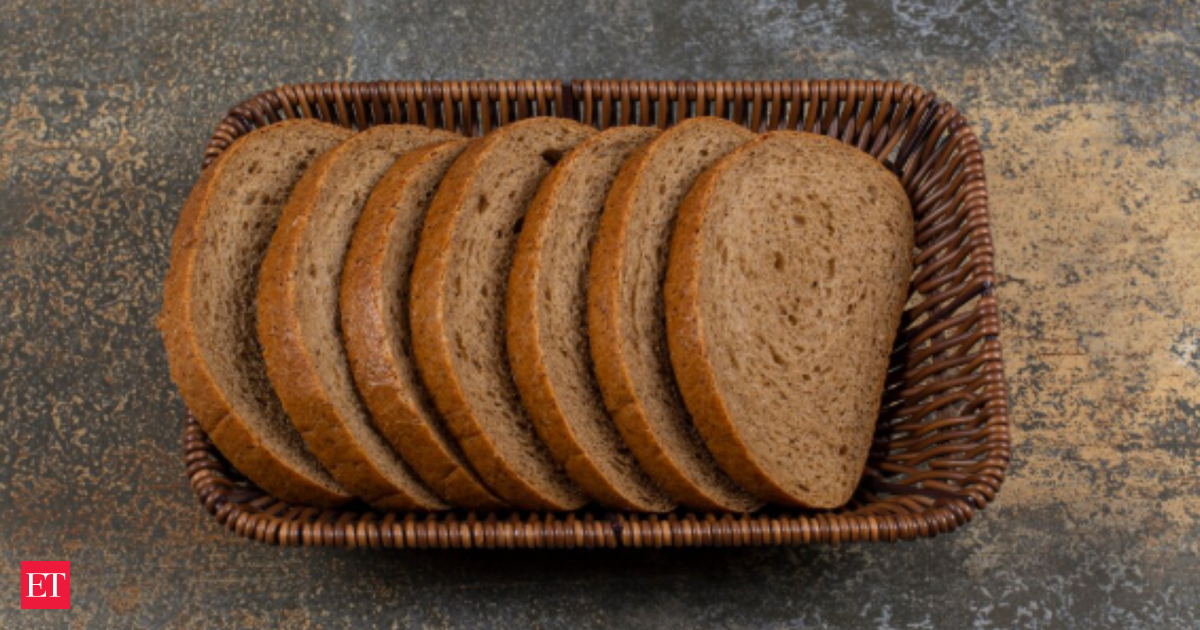
The ads carried claims such as “100% Atta Bread”, “100% Whole Wheat Bread”, “Naturally rich in whole grains with 100% whole-wheat flour” and slogans like “The taste of 100% Wholesome Happiness”.
Videos carrying these claims had together clocked over 50 lakh views as of April 23, 2026.
During proceedings, the company itself admitted that its bread products contained only 87 per cent whole wheat flour a figure the CCPA found irreconcilable with the “100%” claim.
The authority also flagged the simultaneous use of “100% Whole Wheat Bread” and “Zero Maida” on packaging, noting that the combination created a cumulative and false impression that the product was composed entirely of whole wheat flour.
Notably, Mrs Bectors itself acknowledged during the hearing that the dual representation appeared “redundant in nature”.
Mrs Bectors argued that “100% Atta” was intended only to convey that wheat flour was the sole grain source used, not a claim about the total composition.
Also read: CCPA warns restaurants against levying gas, LPG charge
The CCPA rejected the defence outright. Advertisements, it held, must be assessed from the perspective of a reasonable consumer — and technical or post-facto interpretations offered by advertisers cannot override the impression created on buyers. If a representation is capable of misleading consumers, the advertiser’s intent is irrelevant.
The CCPA reiterated that all claims relating to composition, quality, nutrition or health benefits must be truthful, verifiable and non-deceptive, and said it would continue enforcement action wherever consumers are misled about the nature or composition of products.
Both orders were passed under the Consumer Protection Act, 2019 and the Guidelines for Prevention of Misleading Advertisements, 2022.
With inputs from PTI