

Close Menu

    Subscribe to Updates

    Get the latest news information from worldwide businesses.

    What's Hot

    FSSAI turns lens on ‘natural’, ‘healthy’ labels | India News

    June 20, 2026

    Hanover, Maryland, mass shooting wounds 6 people including 2 children

    June 20, 2026

    Jamie McMurray details chances for another NASCAR start after Coronado disappointment

    June 20, 2026
    Facebook Instagram YouTube LinkedIn X (Twitter)
    Trending
    • FSSAI turns lens on ‘natural’, ‘healthy’ labels | India News
    • Hanover, Maryland, mass shooting wounds 6 people including 2 children
    • Jamie McMurray details chances for another NASCAR start after Coronado disappointment
    • Ozempic changed obesity treatment, but experts say the real revolution is next
    • Health Ministry Bans 16 FDCs Including Amoxicillin, Serratiopeptidase; See Full List
    • In the Weights is your new AI-centric vanity search
    • BHAVINI hosts industry partnership conclave to drive country’s fast breeder reactor expansion
    • Digital marking: CBSE to consult stakeholders | India News
    Newspublicly
    • About Us
    • Advertise & Partner with us
    • Pitch Your Story
    • Contact Us
    Facebook Instagram LinkedIn X (Twitter)
    Subscribe
    • Home
    • World News
      • Asia
      • India
      • USA
      • UK & Europe
      • Middle East
    • Economy & Business
      • Global Economy
      • Corporate & Industry
      • Finance & Markets
      • Policy & Trade
    • Technology
      • Gadgets & Devices
      • Software & Apps
      • AI & Machine Learning
      • Robotics & Automation
    • Health & Medicine
      • Fitness & Nutrition
      • Research & Innovation
      • Disease & Treatment
      • Doctors, Clinics & Patient Care
    • Travel & Tourism
    • Automobile
      • Electric & Hybrid Vehicles
      • Auto Industry Insights
    • Sports
    • More
      • Education
      • Real Estate
      • Environment & Climate
      • Space & Astronomy
      • War & Conflicts
    Newspublicly
    Home»Health & Medicine»Research & Innovation»The first primates may have evolved in the cold, not the tropics
    Research & Innovation

    The first primates may have evolved in the cold, not the tropics

    AdminBy AdminJune 20, 2026No Comments4 Mins Read0 Views
    Share
    Facebook Twitter LinkedIn Copy Link WhatsApp


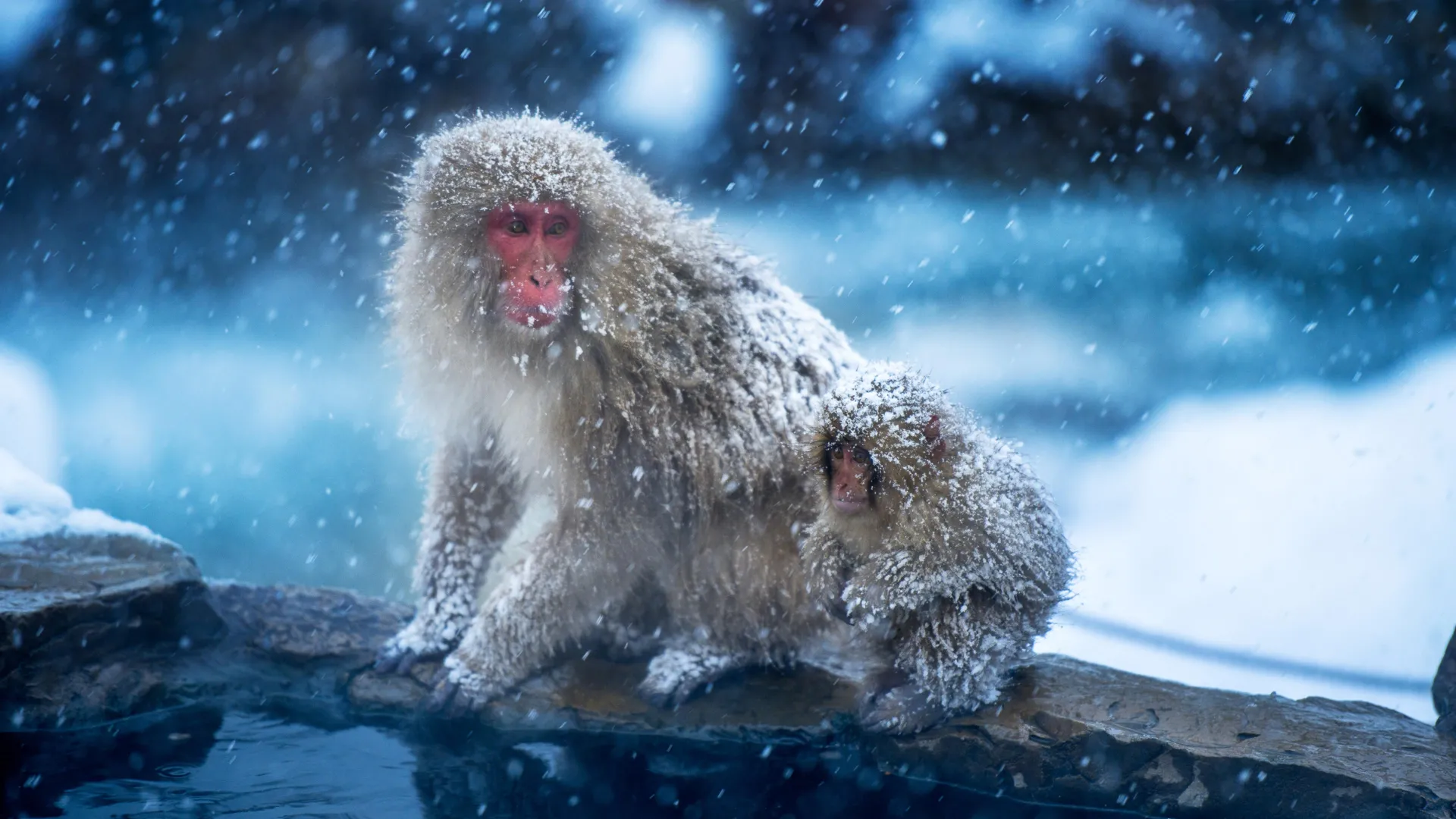
    Most people imagine our early primate ancestors swinging through lush tropical forests. But recent research shows that they were braving the cold.

    As an ecologist who has studied chimpanzees and lemurs in the field in Uganda and Madagascar, I am fascinated by the environments that shaped our primate ancestors. These new findings overturn decades of assumptions about how – and where – our lineage began.

    The question of our own evolution is of fundamental importance to understanding who we are. The same forces that shaped our ancestors also shape us, and will shape our future.

    The climate has always been a major factor driving ecological and evolutionary change: which species survive, which adapt and which disappear. And as the planet warms, lessons from the past are more relevant than ever.

    The cold truth

    The new scientific study, by Jorge Avaria-Llautureo of the University of Reading and other researchers, maps the geographic origins of our primate ancestors and the historical climate at those locations. The results are surprising: rather than evolving in warm tropical environments as scientists previously thought, it seems early primates lived in cold and dry regions.

    These environmental challenges are likely to have been crucial in pushing our ancestors to adapt, evolve and spread to other regions. It took millions of years before primates colonized the tropics, the study shows. Warmer global temperatures don’t seem to have sped up the spread or evolution of primates into new species. However, rapid changes between dry and wet climates did drive evolutionary change.

    One of the earliest known primates was Teilhardina, a tiny tree dweller weighing just 28 grams – similar to the smallest primate alive today, Madame Berthae’s mouse lemur. Being so small, Teilhardina had to have a high-calorie diet of fruit, gum and insects.

    Fossils suggest Teilhardina differed from other mammals of the time as it had fingernails rather than claws, which helped it grasp branches and handle food – a key characteristic of primates to this day. Teilhardina appeared around 56 million years ago (about 10 million years after the extinction of the dinosaurs) and species dispersed rapidly from their origin in North America across Europe and China.

    It is easy to see why scientists had assumed primates evolved in warm and wet climates. Most primates today live in the tropics, and most primate fossils have been unearthed there too.

    But when the scientists behind the new study used fossil spore and pollen data from early primate fossil environs to predict the climate, they discovered that the locations were not tropical at the time. Primates actually originated in North America (again, going against what scientists had once believed, partly as there are no primates in North America today).

    Some primates even colonized Arctic regions. These early primates may have survived seasonally cold temperatures and a consequent lack of food by living much like species of mouse lemur and dwarf lemur do today: by slowing down their metabolism and even hibernating.

    Challenging and changeable conditions are likely to have favored primates that moved around a lot in search of food and better habitat. The primate species that are with us today are descended from these highly mobile ancestors. Those less able to move didn’t leave any descendants alive today.

    From past to future

    The study demonstrates the value of studying extinct animals and the environment they lived in. If we are to conserve primate species today, we need to know how they are threatened and how they will react to those threats. Understanding the evolutionary response to climate change is crucial to conserving the world’s primates, and other species beyond.

    When their habitats are lost, often through deforestation, primates are prevented from moving freely. With smaller populations, restricted to smaller and less diverse areas, today’s primates lack the genetic diversity to adapt to changing environments.

    But we need more than knowledge and understanding to save the world’s primate species, we need political action and individual behaviour change, to tackle bushmeat consumption – the main reason primates are hunted by humans – and reverse habitat loss and climate change. Otherwise, all primates are at risk of extinction, ourselves included.The Conversation


    Source link

    Author

    • Admin

      NewsPublicly.com is News & Articles Platform that creating SEO-focused articles on travel, lifestyle, and digital trends.

    Admin
    • Website

    NewsPublicly.com is News & Articles Platform that creating SEO-focused articles on travel, lifestyle, and digital trends.

    Related Posts

    Ozempic changed obesity treatment, but experts say the real revolution is next

    June 20, 2026

    This DNA repair gene went rogue and exposed a cancer weakness

    June 20, 2026

    A single cobalt shock could trigger global EV battery supply chaos

    June 20, 2026
    Leave A Reply Cancel Reply

    Demo
    Top Posts

    The Blue Moon rises on May 30— Where and when to see the second full moon of the month

    May 30, 202640 Views

    New SOCOM rifle allows barrel swapping and cartridge changes

    June 1, 202633 Views

    “Inside Gemini Robotics 1.5: How Robots Learn to Reason & Act

    November 22, 202525 Views

    525 pounds of cocaine seized after Nebraska K9 alerts troopers on I-80

    May 28, 202624 Views
    Don't Miss

    FSSAI turns lens on ‘natural’, ‘healthy’ labels | India News

    June 20, 20262 Mins Read0 Views

    FSSAI targets misleading ads as brands race to sell ‘healthy’ food NEW DELHI: With products…

    Hanover, Maryland, mass shooting wounds 6 people including 2 children

    June 20, 2026

    Jamie McMurray details chances for another NASCAR start after Coronado disappointment

    June 20, 2026

    Ozempic changed obesity treatment, but experts say the real revolution is next

    June 20, 2026
    Stay In Touch
    • Facebook
    • Twitter
    • Instagram
    • YouTube
    • LinkedIn
    • WhatsApp

    Subscribe to Updates

    Get the latest creative news from SmartMag about art & design.

    Demo
    NEWSPUBLICLY
    Facebook X (Twitter) Instagram LinkedIn

    Home

    • About Us
    • Leadership
    • Advertise & Partner With Us
    • Pitch Your Story
    • Media Kit & Pricing
    • Career
    • FAQs

    Guidelines

    • Editorial & Submission
    • Partnership
    • Advertising & Sponsor
    • Intellectual Property Policy
    • Community & Comment
    • Security & Data Protection
    • Send Your Opinion

    Quick Links

    • Cookie Policy
    • Payment & Billing Terms
    • Refund & Cancellation
    • Copyright Policy
    • Complaint & Support
    • Sitemap
    • Contact Us

    Subscribe Us

    Get the latest news and updates!

    Copyright © 2026 Newspublicly (DIGITALIX COMMUNICATION). All Rights Reserved.
    • Privacy Policy
    • Terms of Use
    • Disclaimer