

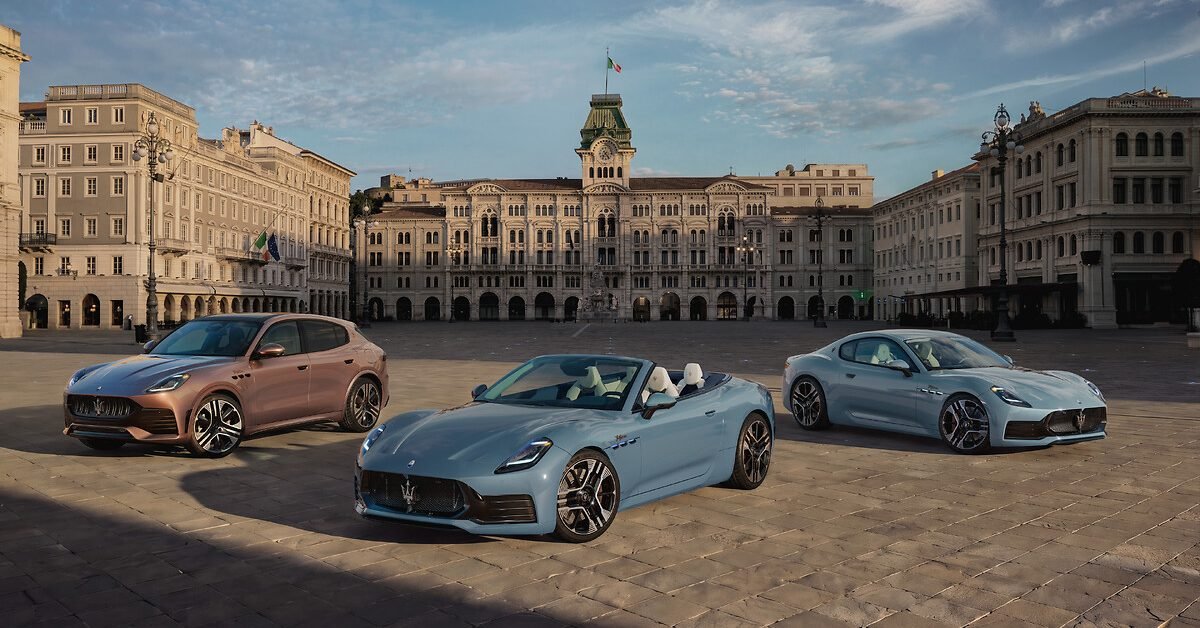
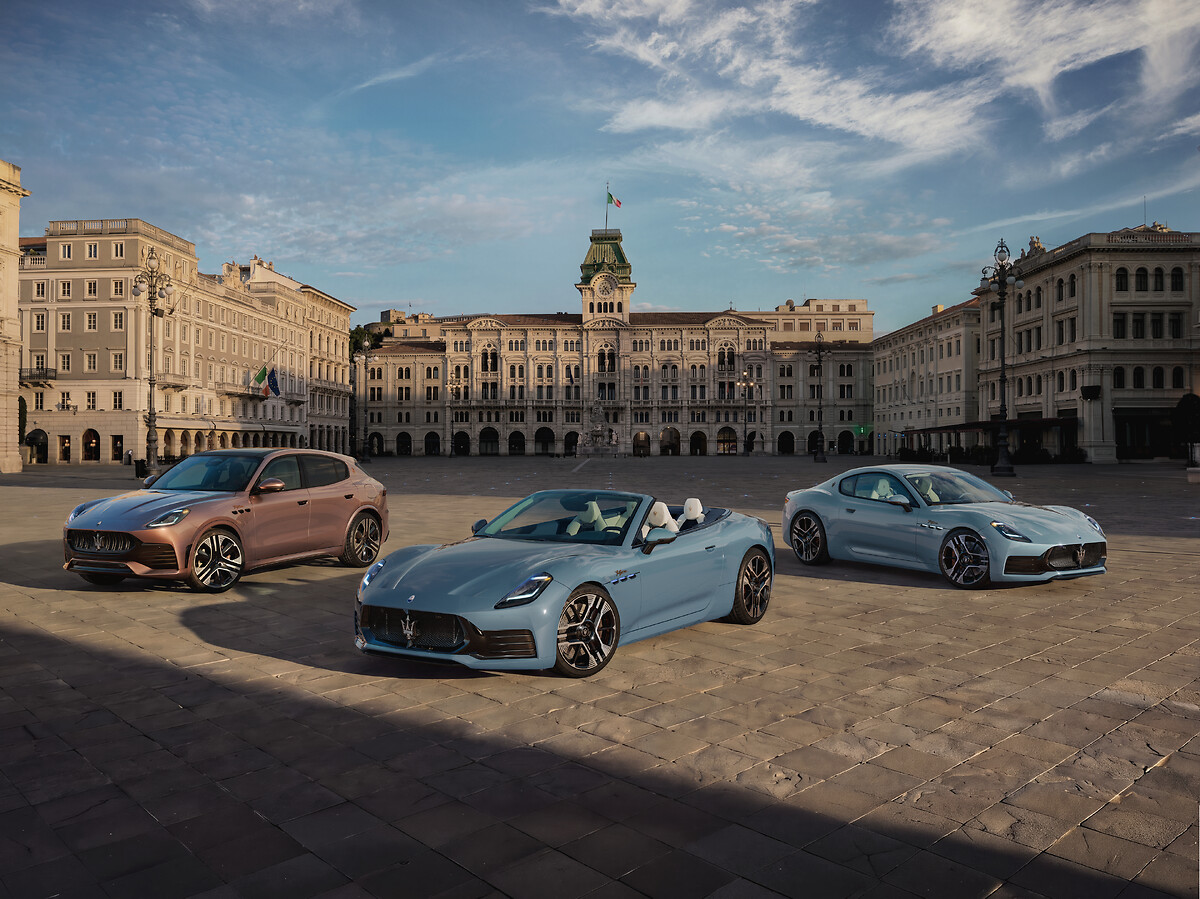
Maserati revealed updates to its Folgore electric lineup, with the GranTurismo Folgore now claiming over 540 km (335 miles) of WLTP range — an improvement of roughly 85 km over the previous version thanks to new energy management algorithms.
The range gains come as Maserati fights for relevance amid a sales collapse that saw deliveries drop to just 7,900 units in 2025, down 30% year-over-year and the lowest since 2012.
What’s new for the Folgore EVs
The updates span all three of Maserati’s electric models: the GranTurismo Folgore coupe, the GranCabrio Folgore convertible, and the Grecale Folgore SUV. The hardware remains largely unchanged — this is a software and calibration refresh, not a platform overhaul.
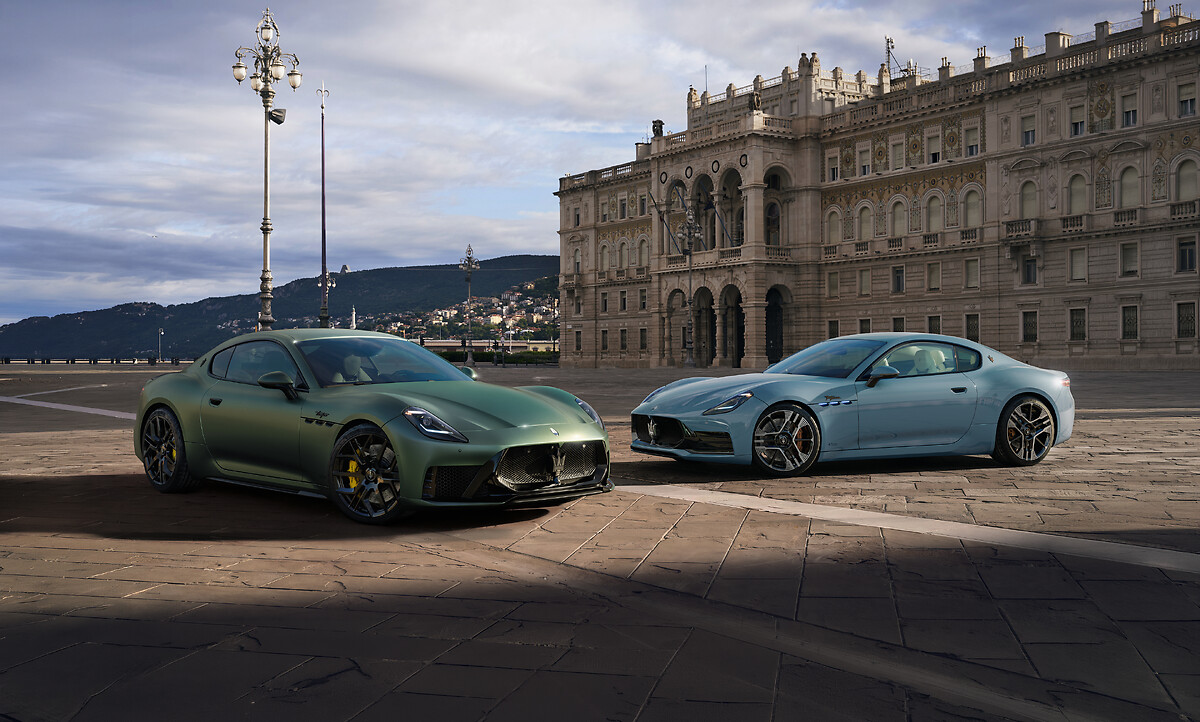
The GranTurismo Folgore keeps its 800-volt architecture with three motors (one front, two decoupled rear) delivering 760 hp continuously to the wheels from over 1,200 hp installed. The 92.5 kWh battery carries over, but a new energy management algorithm pushes range past 540 km — a significant jump from the previous ~456 km WLTP rating. Top speed remains 325 km/h, while new driving modes include a Country mode that raises ride height by 20 mm and a Max Range mode for maximum efficiency.
A Performance Optimizer in Corsa mode can deliver up to 10% more power through torque vectoring across all three motors.
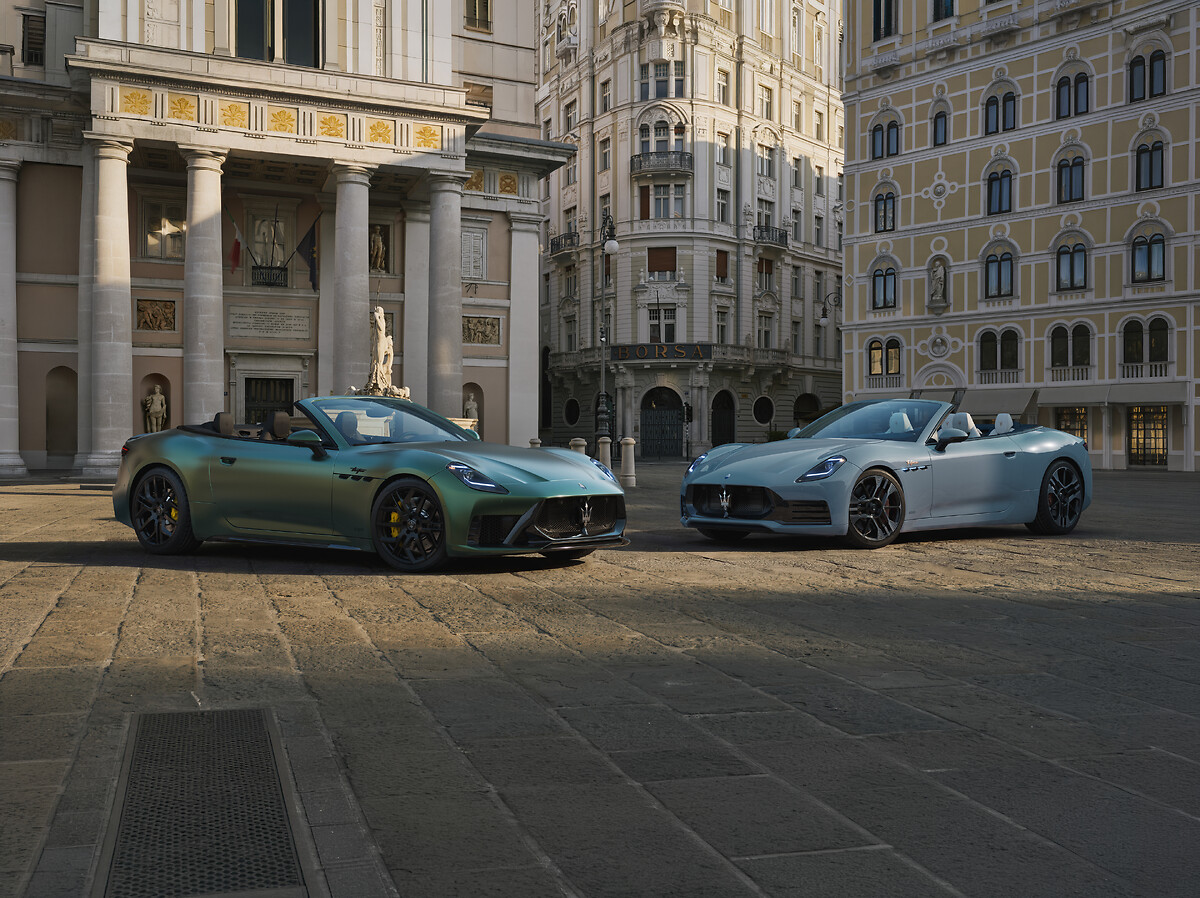
The GranCabrio Folgore — which Maserati bills as the world’s fastest electric convertible at 290 km/h — gets the same energy management improvements, though Maserati didn’t provide a specific new range figure for the open-top variant.
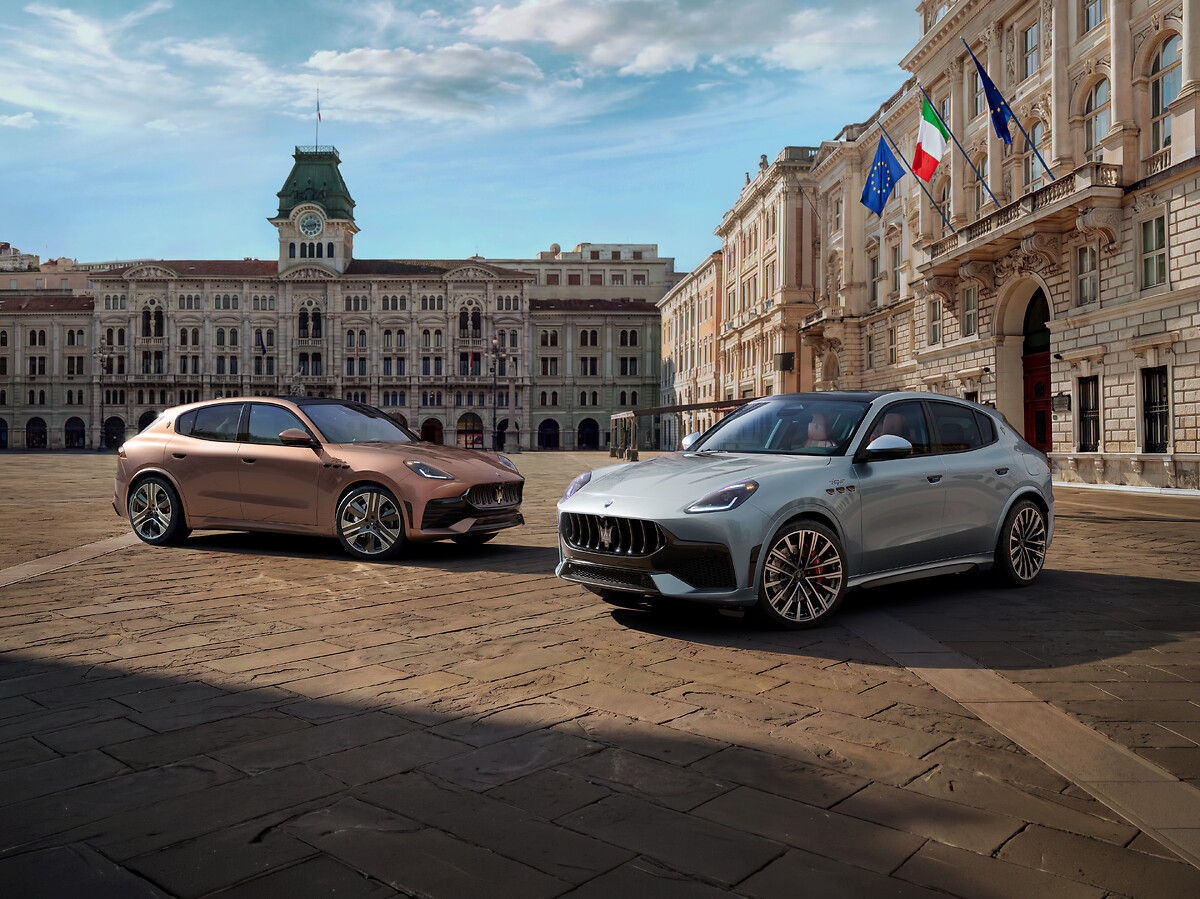
The Grecale Folgore SUV confirms the 580 km max range introduced on the MY26 model and adds incremental gains from a new Air Grille Shutter (AGS) system, improved aero on the front bumper and underbody, and more efficient tires. The result: up to 9 km more range with 20-inch wheels and up to 53 km more with 21-inch wheels. The 550 hp, 400-volt powertrain with AWD Disconnect carries over.
The ICE elephant in the room
The Folgore updates are buried within a much larger announcement that’s clearly focused on Maserati’s combustion engines. The headline news from Stellantis is the V6 Nettuno engine bumped to 590 hp on the GranTurismo and GranCabrio Trofeo, and a new 390 hp V6 debuting in the Grecale for the first time.
Maserati COO Santo Ficili framed the strategy as investing in “the technologies that best express [Maserati’s] character: from the development of iconic powertrains such as the V6 Nettuno to the evolution of the performance of the Folgore range.” That’s a deliberate parity framing — ICE and EV side by side — a long way from 2022 when Maserati announced it would go fully electric by 2030.
The context matters: Stellantis is in talks with two potential partners to secure Maserati’s future, with a decision expected by December. Sales have cratered from 51,500 in 2017 to under 8,000 last year. The brand simply can’t afford to alienate its existing ICE customer base while it searches for a lifeline.
How it stacks up
In the luxury EV coupe segment, the GranTurismo Folgore’s updated 540+ km range puts it in a more competitive territory. But Maserati’s volumes are so small that the competitive comparison is almost academic — the brand sold fewer cars globally in all of 2025 than Porsche sells Taycans in a quarter.
The Grecale Folgore remains a compelling electric SUV with its 580+ km range and the AWD Disconnect system that transfers drive to the rear axle in 500 milliseconds for efficiency gains. But at over $100,000, it competes with the Porsche Macan Electric, BMW iX, and Mercedes EQE SUV — all from manufacturers with far stronger dealer networks and brand momentum.
Electrek’s Take
The range improvements here are genuinely meaningful — an 85 km jump on the GranTurismo Folgore through software alone suggests Maserati’s EV engineering team is doing solid work and being more confortable pushing its hardware further, even if the brand’s business fundamentals are deteriorating around them.
But the real story isn’t the specs. It’s the positioning. Two years ago, Maserati was talking about going all-electric by 2030. Now, the Folgore updates share billing with V6 engine power bumps, and the word “electric” barely appears in the press release headline. That retreat mirrors what we’re seeing across Stellantis, where the FaSTLAne 2030 plan allocates just 29 BEVs out of over 60 new vehicle launches.
We still believe the Folgore models are compelling luxury EVs on the market — our first drives of both the Grecale Folgore and GranCabrio Folgore left us impressed. The problem isn’t the product. It’s whether Maserati survives long enough to sell them in meaningful numbers. With Stellantis actively shopping for partners and sales at a 13-year low, the brand’s entire future is in question — electric or otherwise.
If you own a luxury EV, powering it with home solar is the smartest way to keep your energy costs locked in. With electricity rates climbing nearly 10% last year, home solar protects you against future rate increases. And with lease and PPA options, you can go solar with zero upfront cost and start saving immediately. If you want to find the best deal, check out EnergySage. It’s a free service with hundreds of pre-vetted installers competing for your business, so you save 20 to 30% compared to going it alone. No sales calls until you pick an installer. Get your free quotes here.


FTC: We use income earning auto affiliate links. More.