

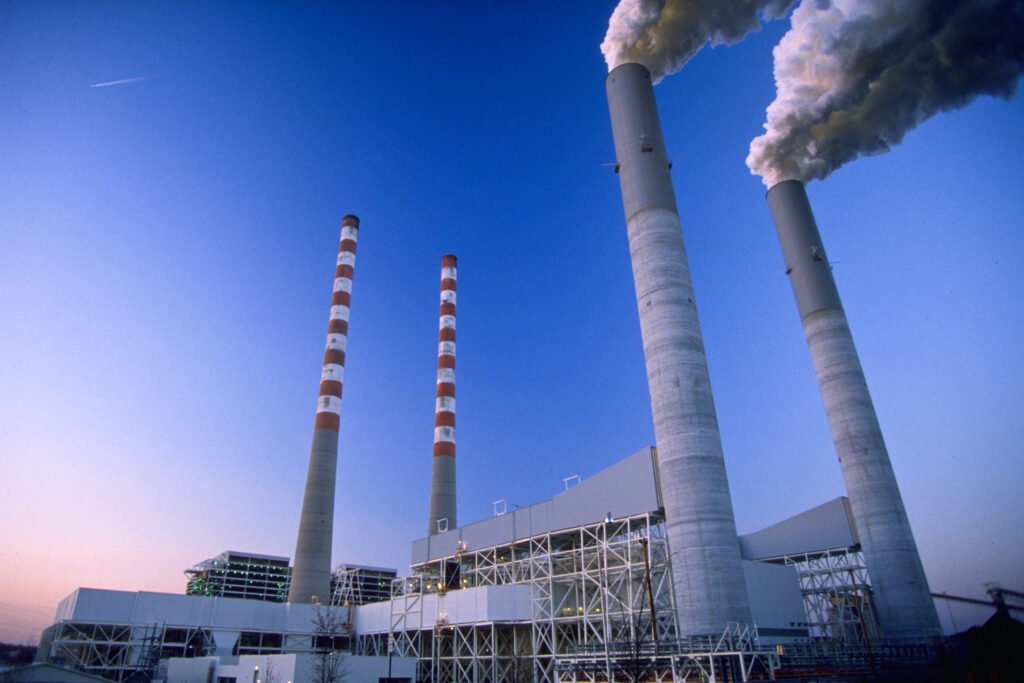
In 2023, after years of pollution, equipment failures and health concerns, the Cumberland Fossil Plant in Tennessee was slated to close within the decade.
The coal-fired plant had been part of a multibillion-dollar settlement in 2011 after its operator, the Tennessee Valley Authority, failed to install pollution control technology a decade earlier. Regulators cited the plant for more air-pollution violations in 2017 and 2023. TVA said it would shutter Cumberland’s units in 2026 and 2028.
Then the Trump administration replaced four of TVA’s board members, and the agency reneged on its retirement plan in February. Now, TVA has a federal pledge for $46 million to extend Cumberland’s lifespan—part of a nationwide push by President Donald Trump to keep older coal plants running.
Cumberland is one of at least three of the 12 plants receiving the Department of Energy grants that have been repeatedly cited for violating the Clean Air Act, the Clean Water Act, or both, an Inside Climate News review found. The other two are Grand River Energy Center in Oklahoma and the Roxboro Steam Electric Plant in North Carolina, cited for various environmental violations, such as releasing wastewater with excess pollutants, over the past decade.
For Angie Mummaw, a local organizer who lives eight miles from the Cumberland plant, the grant was like a “slap in the face.”
“I feel like it’s a step backwards when we should be investing in clean energy, in new technology, and moving away from the fossil fuel industry,” said Mummaw, who is the Middle Tennessee organizer for Appalachian Voices, an environmental group.
Maggie Shober, the Southern Alliance for Clean Energy’s research director, said retiring coal plants is “one of our primary ways” to combat pollution, climate change and associated health harms. Extending their operations, she said, “will make climate change happen faster and will make it worse over the long-term.”
Multiple studies have also linked coal-plant air pollution to early death, with impacts reaching hundreds of miles from the facilities themselves. One study estimates that just one of Cumberland’s air pollutants, toxic fine particles, contributed to 1,000 deaths as far away as New York and Massachusetts from 1999 to 2020.
The June investment comes after the Trump administration unraveled climate regulations and relaxed environmental enforcement, which experts say could have lasting effects on public health. Trump, an outspoken coal proponent, has made defending fossil fuels a centerpoint of his presidency, dismaying activists and academics.
An Energy Department spokesperson did not respond to specific questions about the history of violations at three of the coal plants it’s funding, saying instead that Trump is committed to “reversing the American war on coal.”
“These investments are intended to keep reliable generation online, strengthen grid resilience, expand coal supply chain capacity, and ensure the availability of power needed to support critical infrastructure and maintain essential generation resources during periods of high demand and grid stress, including severe weather events,” the spokesperson wrote.
Courtney Bernhardt, research director for the watchdog group Environmental Integrity Project, said funding plants with a record of violations aligns with Trump’s second-term policies.
“I’m not surprised—but I am disturbed,” Bernhardt said in an email. “The Trump administration seems to disregard the compliance status of many of the plants that they’re trying to put forward, and they’re trying to, at the same time, weaken permitting requirements for the energy sector.”
Repeated Violations
Scott Fiedler, a TVA spokesman, said “increasing power demand and changes in the regulatory landscape” prompted the February decision not to close the Cumberland plant. When making long-term decisions, he added, TVA follows “a structured, transparent process that includes environmental reviews, operational assessments, system‑wide reliability analysis and compliance with all applicable regulations.”
“TVA remains committed to serving the Valley with energy that is reliable, affordable and resilient,” Fielder added.
The Southern Environmental Law Center, which has long opposed Cumberland, said TVA did not give the public an opportunity to comment on the change. Delaney King, an associate attorney with the group, said the plant’s history of violations speaks to a broader challenge.
“Cumberland is more a symptom of the larger problem that these coal plants are many decades old and trying to be dragged into a modern regulation and environmental space that they’re not well-suited for, because of how old and dirty and unreliable that they are,” King said.
Mummaw, who lives near the Cumberland plant, said residents can see the impact: “As the pollution’s coming out of the stacks, it tends to settle on cars and things, and so there’ll be this sooty dust that accumulates on folks’ cars and homes.”
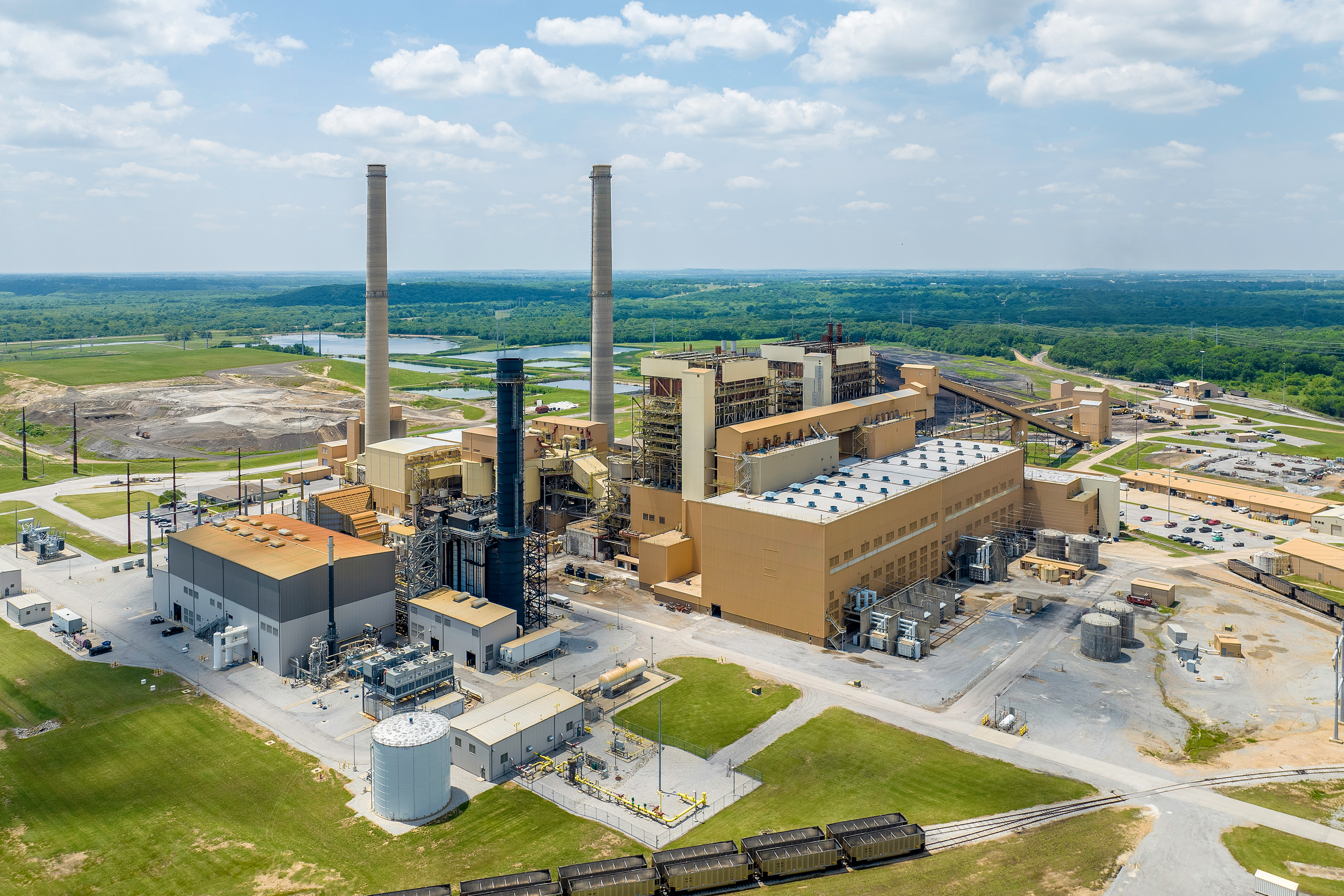
In April the state of Oklahoma proposed an $8,100 fine against the operator of the Grand River plant—to which the Energy Department pledged $28.5 million toward a $76.5 million project—for failing to test for particulate matter. The state also sent the plant five notices of air pollution violations between 2017 and 2021, and found the plant exceeded pollution limits in its wastewater several times in the past three years.
Asked for comment about the violations, a spokesman for operator Grand River Dam Authority sent a press release that did not address that question. It said the grant would help modernize the facility and extend its operational life.
Christopher Sellers, an environmental history professor at Stony Brook University who reviewed the Grand River and Cumberland records for ICN, said repeated violations often indicate fundamental issues with plants.
“This is a health issue that has not been fixed at this plant, even as it’s been fixed in so many other coal-fired plants,” Sellers said about such violations. “And so it suggests that there’s something being overlooked here.”
This story is funded by readers like you.
Our nonprofit newsroom provides award-winning climate coverage free of charge and advertising. We rely on donations from readers like you to keep going. Please donate now to support our work.
Roxboro, meanwhile, will receive $28.4 million toward a $72.7 million project, the Energy Department said. North Carolina regulators notified Duke Energy, which operates Roxboro, of a violation six times in the past 10 years. Most of the violations stemmed from either a reporting issue, such as failing to provide pollution-testing results, or exceeding wastewater pollution limits, according to reports reviewed by Inside Climate News.
A 2019 settlement between the state, environmental groups and Duke Energy required the company to excavate over 80 million tons of the plant’s coal ash after leaks that contaminated groundwater on plant property.
Coal ash, a toxic byproduct of burning coal, often contains harmful substances like arsenic and lead. Under North Carolina law, the company previously was required to provide alternative water supplies to nearby residents to mitigate coal ash contamination. The utility maintains that there is no evidence that North Carolina ash basins are influencing neighbors’ water supply wells.
Roxboro, which sits 1.5 miles from an elementary school, currently has an outstanding violation for failing to report its wastewater discharges, according to a federal compliance dashboard.
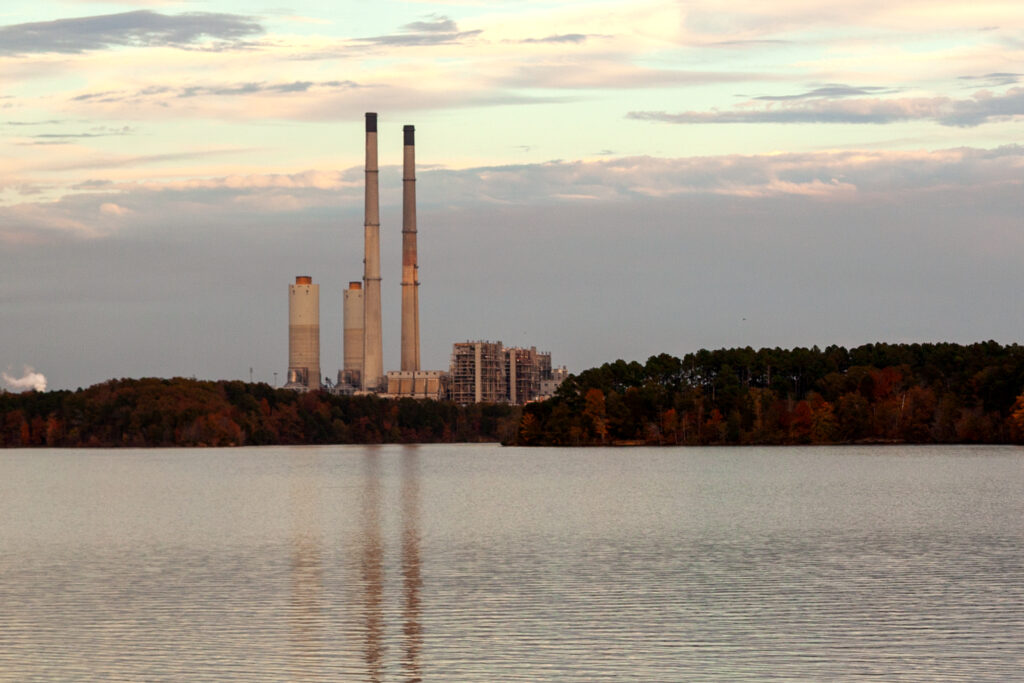
Most of the listed wastewater infractions for Roxboro were relatively minor, and energy utilities have often contested reporting violations. One of Duke Energy’s 2024 violations, for instance, was for failing to submit a test that it argued a third party was responsible for.
“Duke Energy operates Roxboro Steam Plant in a manner that meets all state and federal permit requirements, ensuring continued protection of the public and environment, while also making strong progress executing basin closure plans that state regulators likewise confirmed as protective of the public and environment,” said Bill Norton, a Duke Energy spokesperson.
But the violations for failing to report are still significant, especially when repetitive, because they prevent the state from looking more closely at the facility, said Hope Taylor, Clean Water for North Carolina’s executive director.
“If they are not getting a substantive report of some actual quantitative water quality violation, that’s just hiding the underlying violation,” Taylor said.
Given the Trump administration’s environmental enforcement record, she fears the grants will simply boost utility profits, rather than reduce emissions.
“I don’t think that any of that funding should have gone to extend the life of these permits,” Taylor said.
Redefining “Cost-Effective”
Three years ago, Grand River Dam Authority officials said their coal plant was “uninsurable” and financially risky. They decided to replace it with renewable energy and natural gas.
There was no mention of that history in the authority’s announcement that it would take the Energy Department grant and spend $48 million more on upgrades. Oklahoma Watch reported that the cash infusion would give the plant several more years of operation.
“Extending the life of Unit 2 represents the most cost-effective solution for GRDA, as compared to new-build generation alternatives,” Dan Sullivan, the authority’s president and chief executive officer, said in a statement. “This grant allows us to leverage existing infrastructure to continue to deliver affordable and reliable power to GRDA customers in the future.”
Duke Energy, meanwhile, proposed in a December 2025 filing to retire Roxboro’s coal units by 2034. Norton said that has not changed and the grant will maintain reliability while keeping costs down as the utility invests in future projects.
When TVA outlined its plans to phase out the 50-year-old Cumberland plant, it noted “environmental, economic, and reliability risks” across its coal facilities. Keeping Cumberland running, the utility said, would “continue to produce relatively large quantities of air pollutants.”
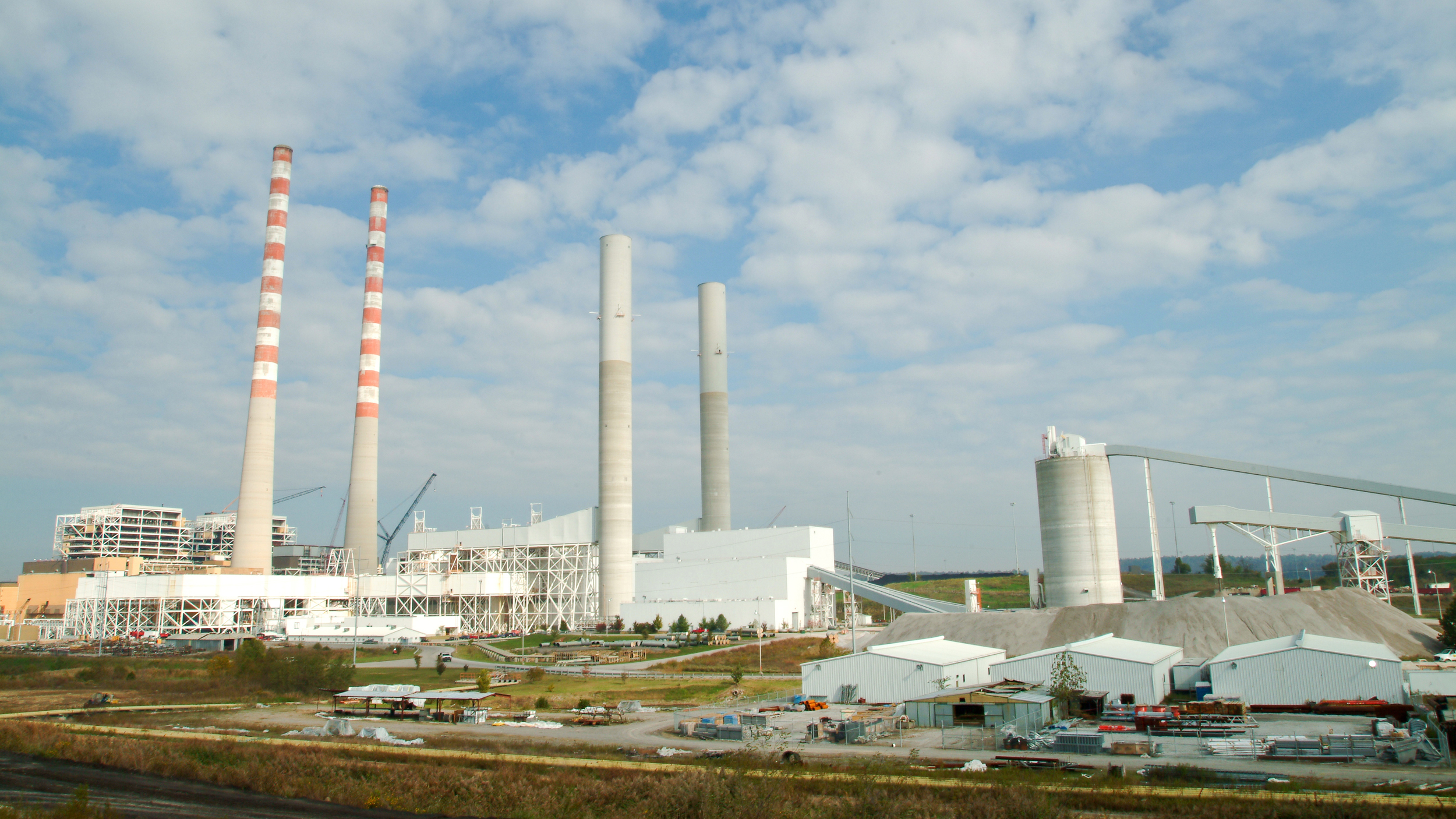
The utility, which is federally owned, reversed course after Trump replaced four TVA board members in 2025. TVA’s chief financial officer, Tom Rice, praised “beautiful, clean coal” in a February board meeting, echoing Trump’s trademark energy slogan.
Shober, with the Southern Alliance for Clean Energy, criticized the decision as “a tit-for-tat payback” that will do “serious damage and harm to TVA’s customers, the people that live in the Tennessee Valley.”
Fiedler, the TVA spokesman, said the Trump administration’s coal push aligns with TVA’s reliability goals.
In January, TVA estimated that maintaining the plant to current regulatory standards would require a $738 million investment, according to internal documents obtained by the Southern Environmental Law Center through a public records request and reviewed by Inside Climate News. That’s more than six times the project listed on the federal grant announcement. Still, the board asserted that the move would ultimately save money.
King, with the Southern Environmental Law Center, doubts that. She said TVA’s plan for Cumberland means its customers will have to “foot the bill for projects that many of them didn’t want.”
Sellers, the environmental history professor, said the Trump administration’s willingness to invest in the plants is “making pollution great again.”
“We’re going to pay the price for that,” he said. “Certainly, the people living next door to those plants, they’re going to pay the price for that first and most severely.”
About This Story
Perhaps you noticed: This story, like all the news we publish, is free to read. That’s because Inside Climate News is a 501c3 nonprofit organization. We do not charge a subscription fee, lock our news behind a paywall, or clutter our website with ads. We make our news on climate and the environment freely available to you and anyone who wants it.
That’s not all. We also share our news for free with scores of other media organizations around the country. Many of them can’t afford to do environmental journalism of their own. We’ve built bureaus from coast to coast to report local stories, collaborate with local newsrooms and co-publish articles so that this vital work is shared as widely as possible.
Two of us launched ICN in 2007. Six years later we earned a Pulitzer Prize for National Reporting, and now we run the oldest and largest dedicated climate newsroom in the nation. We tell the story in all its complexity. We hold polluters accountable. We expose environmental injustice. We debunk misinformation. We scrutinize solutions and inspire action.
Donations from readers like you fund every aspect of what we do. If you don’t already, will you support our ongoing work, our reporting on the biggest crisis facing our planet, and help us reach even more readers in more places?
Please take a moment to make a tax-deductible donation. Every one of them makes a difference.
Thank you,

Fellow
Ajani Stella is a Dow Jones reporting fellow at Inside Climate News, based in New York City. Previously, he interned at amNewYork, covering politics, housing and crime. His reporting experience also includes immigration, labor and higher education policy issues. Ajani is currently a junior at Georgetown University, where he serves as executive editor of the student newspaper, The Hoya.