

Close Menu

    Subscribe to Updates

    Get the latest news information from worldwide businesses.

    What's Hot

    Leapfrog Engineering’s Rs 88.5-cr SME IPO fully subscribed on day 1

    June 18, 2026

    Gasoline prices just fell below $4 per gallon — by the smallest possible amount

    June 18, 2026

    Three key takeaways from US-Iran agreement

    June 18, 2026
    Facebook Instagram YouTube LinkedIn X (Twitter)
    Trending
    • Leapfrog Engineering’s Rs 88.5-cr SME IPO fully subscribed on day 1
    • Gasoline prices just fell below $4 per gallon — by the smallest possible amount
    • Three key takeaways from US-Iran agreement
    • Choppy waters ahead as Iceland gets ready for its own EU referendum | World news
    • Hegseth announces review of US troops in Europe, scorns some allies
    • ‘Telegram now a new dark web’: Govt defends ban on app ahead of NEET retest | India News
    • Trump personally signs Iran deal in major diplomatic breakthrough and more top headlines
    • WBJEE Results 2026 Declared: Website to check at wbjeeb.nic.in | Education News
    Newspublicly
    • About Us
    • Advertise & Partner with us
    • Pitch Your Story
    • Contact Us
    Facebook Instagram LinkedIn X (Twitter)
    Subscribe
    • Home
    • World News
      • Asia
      • India
      • USA
      • UK & Europe
      • Middle East
    • Economy & Business
      • Global Economy
      • Corporate & Industry
      • Finance & Markets
      • Policy & Trade
    • Technology
      • Gadgets & Devices
      • Software & Apps
      • AI & Machine Learning
      • Robotics & Automation
    • Health & Medicine
      • Fitness & Nutrition
      • Research & Innovation
      • Disease & Treatment
      • Doctors, Clinics & Patient Care
    • Travel & Tourism
    • Automobile
      • Electric & Hybrid Vehicles
      • Auto Industry Insights
    • Sports
    • More
      • Education
      • Real Estate
      • Environment & Climate
      • Space & Astronomy
      • War & Conflicts
    Newspublicly
    Home»Health & Medicine»Disease & Treatment»Why Andhra Pradesh’s incentive for having more children is misplaced
    Disease & Treatment

    Why Andhra Pradesh’s incentive for having more children is misplaced

    AdminBy AdminJune 18, 2026No Comments4 Mins Read0 Views
    Share
    Facebook Twitter LinkedIn Copy Link WhatsApp


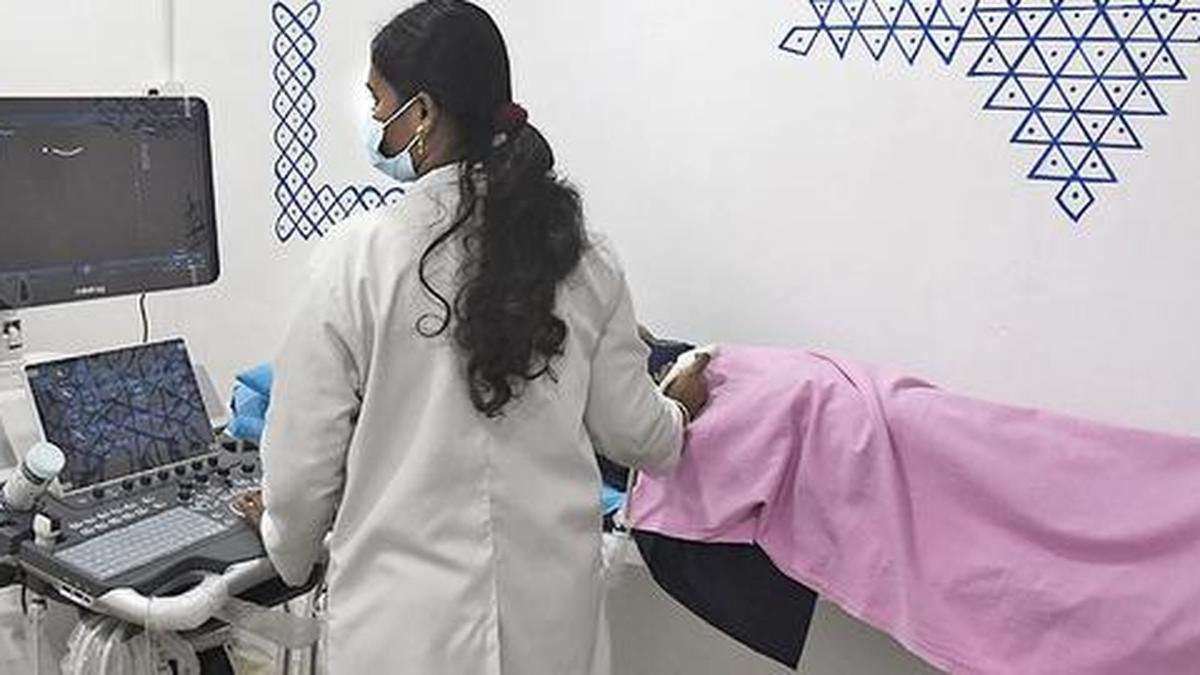
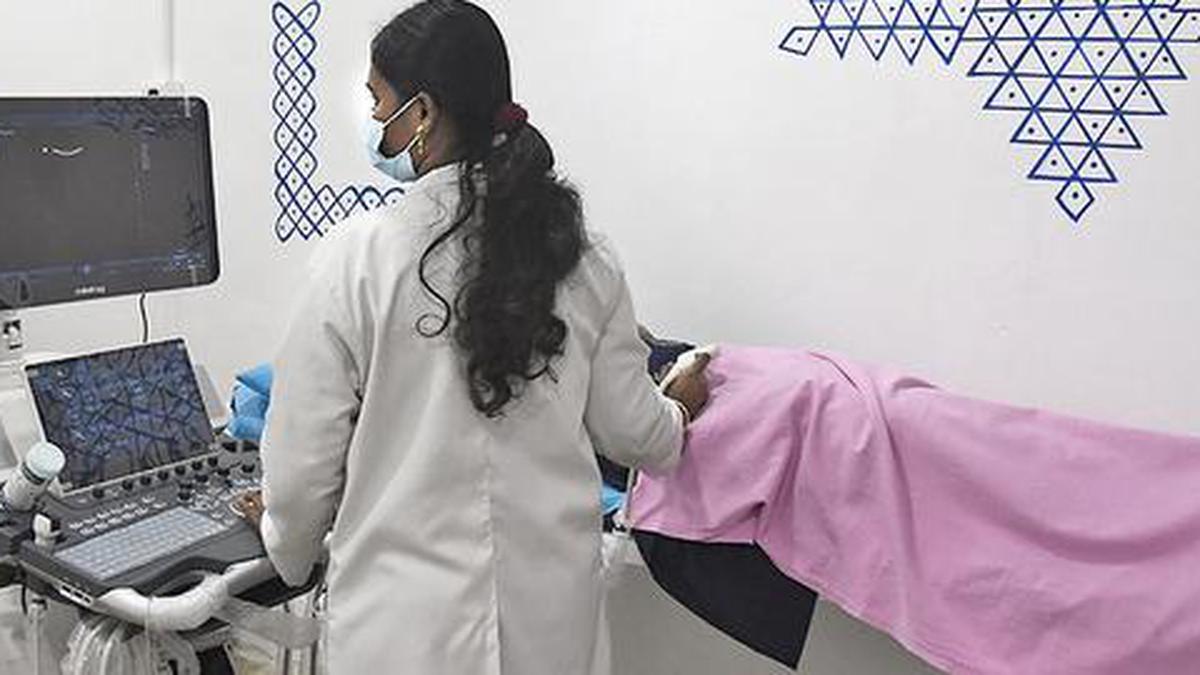
    Less than 10% of Indian respondents said they would prefer to have three, four or more children

    Less than 10% of Indian respondents said they would prefer to have three, four or more children
    | Photo Credit: JOTHI RAMALINGAM B

    On May 16, Andhra Pradesh Chief Minister N. Chandrababu Naidu announced a one-time incentive of ₹30,000 for the third child and ₹40,000 for the fourth. He said that these incentives were a part of the State’s new population management policy to encourage population growth.

    On the surface, the incentives to have bigger families may sound sensible with the latest National Family Health Survey (NFHS-6) report for the year 2023-24 placing the State’s fertility level at 1.8, which is below the replacement level of 2.1. However, a closer look warrants questions on at least three fronts: whether such an incentive is adequate for families to have more children; what the key reasons are for the dropping fertility rate; and whether such an intervention is necessary now.

    A comparison of this one-time cash incentive against basic expenditures shows that it cannot offset the childcare costs, a concern that is prompting families to rethink having more children.

    The government’s incentive is about twice the average cost of hospitalisation for childbirth in India, and a far smaller multiple of the cost in Andhra Pradesh. In fact, it is almost the same as the cost of hospitalisation for childbirth in the State’s urban area. In a State where more than 50% of births happen in private hospitals and about 52% of all deliveries happen through Caesarean sections, this incentive will just offset the hospitalisation cost in rural areas (Chart 2). It is also inadequate to cover the cost of C-sections in private hospitals in urban areas.

    For a family of five (assuming there are two adults and three children), this incentive is about 1.5 times their Monthly Per Capita Expenditure (MPCE) in rural areas and almost similar to the MPCE in urban areas, as per the Household Consumption Expenditure Survey for 2023-24. This means that the incentive could just help the families meet their consumption needs for one month, provided the same was not already spent in hospital during childbirth.

    Cannot afford children

    Moreover, the question around family planning has moved from whether families ‘should’ have more children to whether they can afford to. The United Nations Population Fund’s (UNFPA) ‘State of World Population Report 2025’ shows that financial limitations are the prime barrier to having children.

    Other barriers included housing limitations, followed by unemployment (or job insecurity), and the lack of quality and affordable childcare options. In many of these indicators, the share of Indians pointing to these concerns was much higher than the average share across the 14 countries that were surveyed for the report.

    The survey further pointed out that a larger share of Indian men and women preferred having either one or two children.

    Less than 10% of Indian respondents said they would prefer to have three, four or more children, which is almost on a par with the share of Indians who preferred having no children.

    It is noteworthy that the below-replacement fertility rate in Andhra Pradesh and across India does not mean that the population decline is imminent. The population will continue to increase, then stabilise and eventually begin to decline, which, for India, is likely to happen only in 2063 as per estimates.

    For instance, although Japan and South Korea’s fertility rates dropped below the replacement level in the late 1970s and the early 1980s respectively, their populations — which are less than 10% of India’s — began to decline only around 2010 and 2020.

    The data for the charts were sourced from the Household Consumption Expenditure Survey 2023-24, Household Social Consumption: Health 2025, NFHS-6, Our World in Data and the UNFPA

    Published – June 18, 2026 10:00 am IST


    Source link

    Author

    • Admin

      NewsPublicly.com is News & Articles Platform that creating SEO-focused articles on travel, lifestyle, and digital trends.

    Admin
    • Website

    NewsPublicly.com is News & Articles Platform that creating SEO-focused articles on travel, lifestyle, and digital trends.

    Related Posts

    RGCB scientists uncover new mechanism behind malaria parasite’s drug resistance

    June 18, 2026

    Festive gifts: Good health and self care

    June 18, 2026

    Shigella outbreak in Kerala explained: Why cases are rising and who is at risk

    June 18, 2026
    Leave A Reply Cancel Reply

    Demo
    Top Posts

    The Blue Moon rises on May 30— Where and when to see the second full moon of the month

    May 30, 202640 Views

    New SOCOM rifle allows barrel swapping and cartridge changes

    June 1, 202633 Views

    “Inside Gemini Robotics 1.5: How Robots Learn to Reason & Act

    November 22, 202525 Views

    525 pounds of cocaine seized after Nebraska K9 alerts troopers on I-80

    May 28, 202624 Views
    Don't Miss

    Leapfrog Engineering’s Rs 88.5-cr SME IPO fully subscribed on day 1

    June 18, 20262 Mins Read0 Views

    New Delhi: The initial public offering of Leapfrog Engineering Services was subscribed 1.28 times on…

    Gasoline prices just fell below $4 per gallon — by the smallest possible amount

    June 18, 2026

    Three key takeaways from US-Iran agreement

    June 18, 2026

    Choppy waters ahead as Iceland gets ready for its own EU referendum | World news

    June 18, 2026
    Stay In Touch
    • Facebook
    • Twitter
    • Instagram
    • YouTube
    • LinkedIn
    • WhatsApp

    Subscribe to Updates

    Get the latest creative news from SmartMag about art & design.

    Demo
    NEWSPUBLICLY
    Facebook X (Twitter) Instagram LinkedIn

    Home

    • About Us
    • Leadership
    • Advertise & Partner With Us
    • Pitch Your Story
    • Media Kit & Pricing
    • Career
    • FAQs

    Guidelines

    • Editorial & Submission
    • Partnership
    • Advertising & Sponsor
    • Intellectual Property Policy
    • Community & Comment
    • Security & Data Protection
    • Send Your Opinion

    Quick Links

    • Cookie Policy
    • Payment & Billing Terms
    • Refund & Cancellation
    • Copyright Policy
    • Complaint & Support
    • Sitemap
    • Contact Us

    Subscribe Us

    Get the latest news and updates!

    Copyright © 2026 Newspublicly (DIGITALIX COMMUNICATION). All Rights Reserved.
    • Privacy Policy
    • Terms of Use
    • Disclaimer