

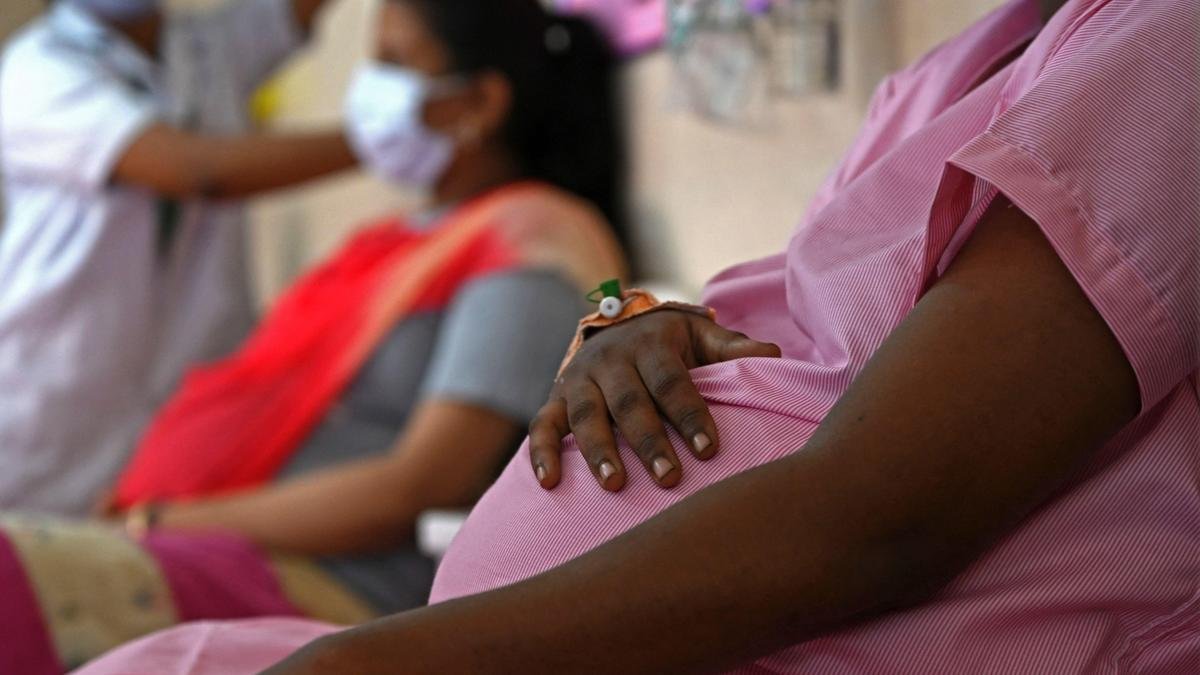

C-section deliveries in Delhi have increased from 23.6% in 2019–21 to 27.4% in 2023–24, according to data.
Delhi has seen a sharp rise in caesarean section (C-section) deliveries, increasing from 23.6% in 2019–21 to 27.4% in 2023–24, according to National Family Health Survey (NFHS) data. Experts and doctors attribute the trend to factors such as preference for painless childbirth and medical conditions like obesity and diabetes, among others. However, they have also expressed concern over the rising rate, noting that C-sections also carry medical risks.
Delhi’s trend mirrors the national pattern, where the C-section rate rose from 21.5% to 27.2% during the same period.
The data also show a wide gap between sectors: 50.9% of births in private facilities were by C-section, compared with 19.6% in public facilities, raising concerns about possible overuse in the private sector.
Cause for concern
The World Health Organization (WHO) says that while caesarean sections are safe when medically justified, they carry short- and long-term risks, including for future pregnancies, especially in settings with limited obstetric care.
Doctors attribute the rise to a mix of medical and social factors. Dr. Tripti Raheja, Director, Obstetrics and Gynaecology, CK Birla Hospital, said delayed pregnancies are a key driver, with more women conceiving in their 30s and facing complications such as obesity, gestational diabetes, and hypertension that often require surgical delivery.
Dr. Manju Puri, formerly an obstetrician and gynaecologist at Lady Hardinge Medical College and now at SGT College, Gurugram, said patient preference is also contributing. “More patients are requesting C-sections for painless delivery, and doctors may not always strongly discourage this due to concerns about complications and potential liability,” she said.
She added that vaginal delivery is generally safer when there is no medical indication for surgery. “It becomes a concern when such demand spreads to areas with weaker health infrastructure,” she said, noting recent reports of maternal deaths linked to C-sections in parts of the country, including Kota, Rajasthan.
Doctors also flagged environmental factors. Dr. Payal Chaudhary, obstetrician and gynaecologist, said that while there is no direct causal link, poor air quality is associated with adverse pregnancy outcomes such as preterm birth, foetal growth restriction, and hypertensive disorders, which may increase the likelihood of C-sections.
Increasing demand
Praveen K. Pathak, professor at the Delhi School of Economics, called the trend alarming, noting that the WHO recommends C-section rates stay around 10% due to risks to both mother and infant. He added that higher rates in private hospitals could point to profit-driven practices.
Researchers say the key issue is whether every C-section is medically necessary, which is not always the case. “NFHS shows the trend, not the medical reasons behind each delivery. The rise is a signal for deeper investigation through audits, public-private comparisons, and studies on patient and provider choices,” said Apoorva Sharma, a researcher in medical and biological anthropology,
Experts say the way forward lies in improving accountability and patient awareness. Ms. Sharma called for better documentation of medical indications, stronger labour support, pain relief access, second opinions before non-emergency C-sections, and greater transparency in private facilities.
They emphasised the focus should be on appropriate use of the procedure, not restricting necessary care.
Published – June 11, 2026 12:34 am IST