

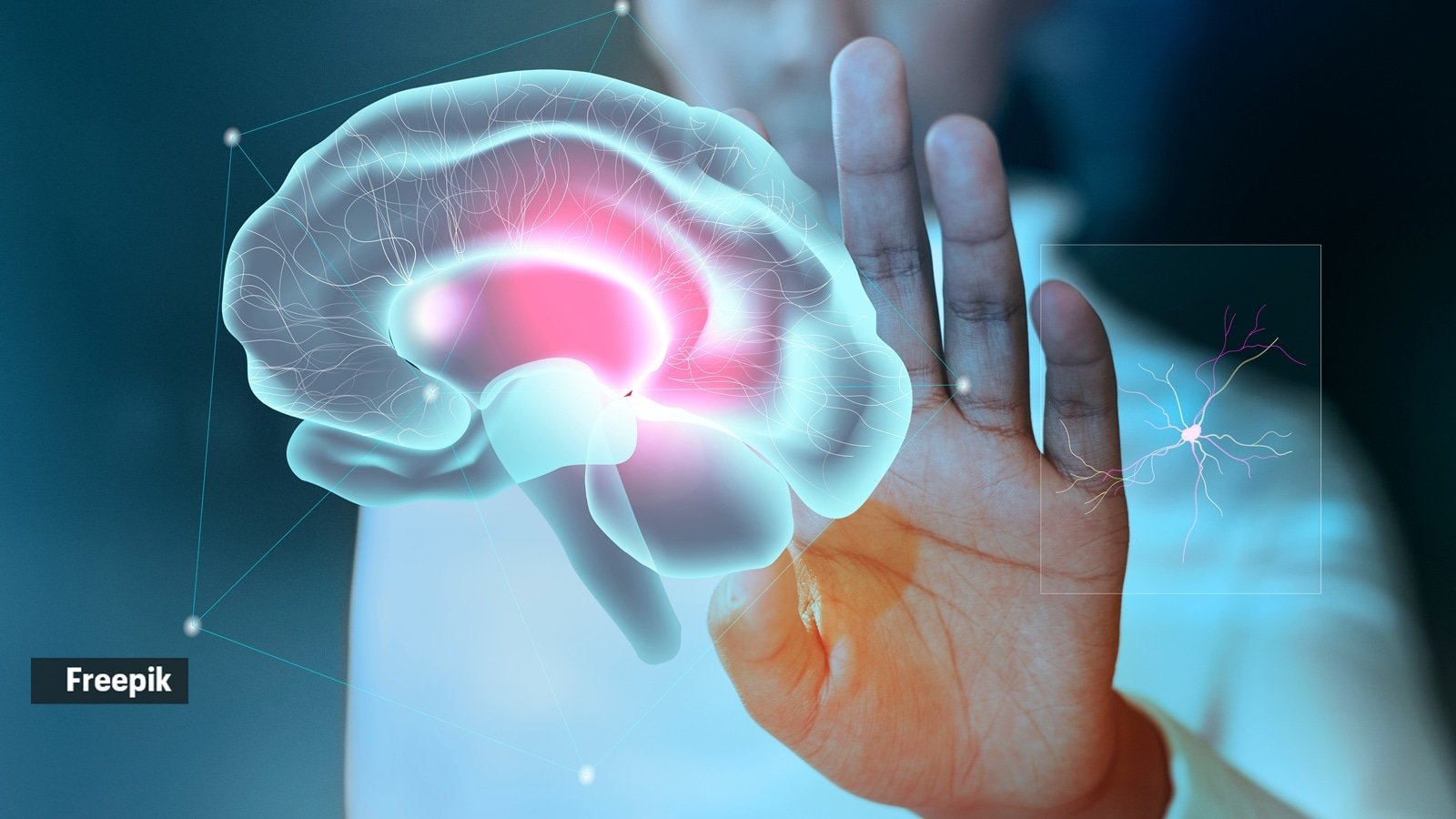
A newly identified brain protein may play a major role in how the body ages. According to the latest research published in PLOS Biology, a study led by Lige Leng and colleagues at Xiamen University in China focused on Menin, a protein that helps suppress brain inflammation. The results of the study, conducted primarily on mice, suggest that Menin may act as a protective “anti-ageing” factor inside the brain.
The researchers also found that declining levels of Menin in the hypothalamus triggered inflammation, memory problems, bone loss, and other ageing-related changes in mice. This represents a breakthrough in fighting age-related health decline.

DISCLAIMER: This article is based on information from the public domain and/or the experts we spoke to. Always consult your health practitioner before starting any routine.
Edwina Raj, Head of Services – Clinical Nutrition & Dietetics, Aster CMI Hospital, Bangalore, explains that Menin is a protein produced by the body from the MEN1 gene. It plays an important role in controlling how cells grow, repair themselves, and respond to different signals in the body.
Scientists have recently become interested in Menin because research suggests that it may influence brain function, memory, learning, and healthy ageing.
Raj referenced recent studies that indicate Menin helps “maintain communication between brain cells and may support cognitive functions such as memory and concentration”. Some research also found that Menin levels can decrease with age, and lower levels may be associated with reduced brain performance.
According to her, Menin also appears to help regulate inflammation and cellular stress, both of which can affect brain health. However, she reiterated that research and its direct role in improving brain health are still ongoing, and more studies are needed to fully understand its effects in humans.
Story continues below this ad
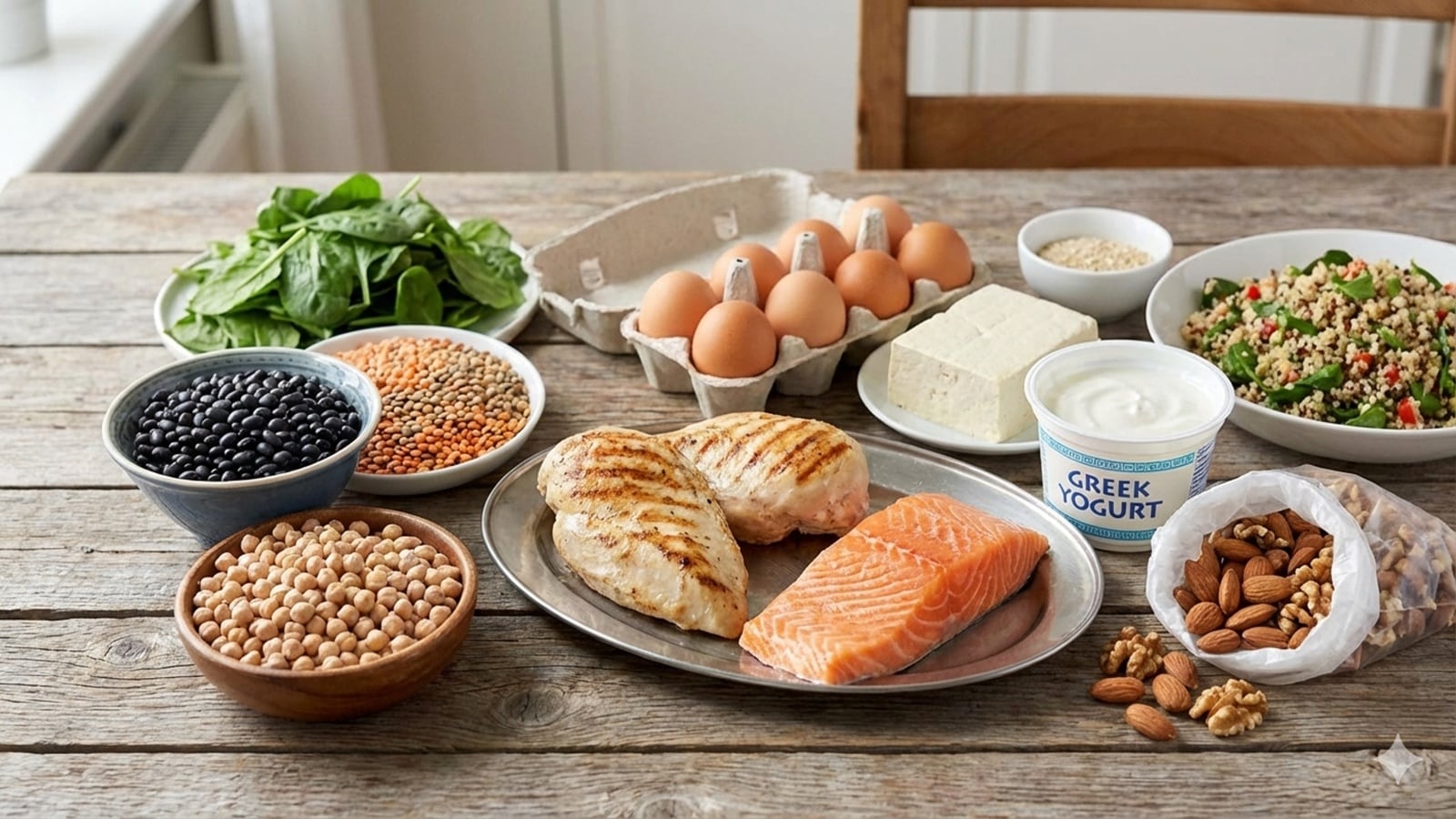 Foods rich in high-quality protein provide the amino acids required in the body. (Magnific)
Foods to consume
Raj says that there is currently no specific food that directly increases Menin protein levels.
However, she believes a healthy diet may support the body’s natural production and function of proteins, including Menin. “Foods rich in high-quality protein such as lentils, sprouts, eggs, fish, lean chicken, milk, curd, paneer, soy products, and nuts provide the amino acids needed for our daily requirement of protein,” she shares.
To add to that, Raj says foods rich in antioxidants, including berries, citrus fruits, spinach, broccoli, tomatoes, and carrots, may help protect cells from damage. Healthy fats from walnuts, almonds, flaxseeds, chia seeds, avocado and fatty fish can also support brain function.
To conclude, “regular exercise, good sleep, stress management, and a balanced diet remain the most effective ways to support overall brain health and the body’s natural cellular functions, including those involving Menin,” stresses Raj.
Story continues below this ad
DISCLAIMER: This article is based on information from the public domain and/or the experts we spoke to. Always consult your health practitioner before starting any routine.