

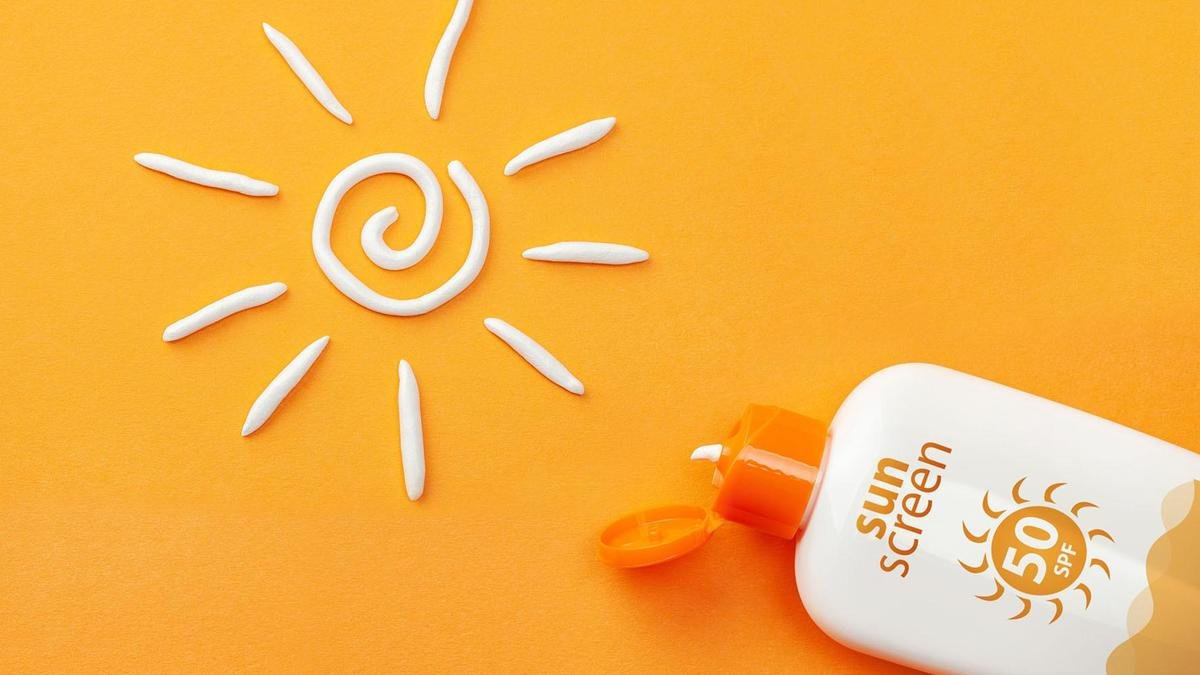

Sun Protection Factor (SPF) measures how long solar energy takes to redden skin with sunscreen compared to without it. It measures protection against UVB rays (which cause sunburn), not UVA rays (which cause premature aging). No sunscreen blocks 100% of UV radiation | Image used for representational purpose only
| Photo Credit: Getty Images
What is SPF and what do the numbers written on sunscreen bottles mean?
Sun Protection Factor, or SPF, is designed to measure protection against ultraviolet B (UVB) radiation, the part of sunlight primarily responsible for sunburns. But it does not tell the whole story about sun protection, nor does a higher SPF automatically mean better protection. Understanding what SPF measures, and what it does not, can help in making more informed decisions about skin protection.

How is SPF measured?
In standard testing, sunscreen is applied to the skin and researchers compare how much ultraviolet exposure is needed to produce redness, or erythema, on protected skin versus unprotected skin, says Katheeja Nasika, consultant dermatologist, Rela Hospital, Chennai. “If an SPF is 30, theoretically the amount of UV exposure needed to cause minimal erythema on sunscreen-applied skin would be 30 times higher than on unprotected skin,” she explains.
Narayanan A., consultant dermatologist at SRM Prime Hospital, Chennai, points out however that “the testing is conducted under controlled conditions using a specified amount of sunscreen. In real life, most people apply far less sunscreen than is used during laboratory testing, meaning actual protection may be lower than the SPF listed on the label.”

What do SPF numbers mean?
One of the most common misconceptions is that SPF values increase protection in a straight line. According to K.R. Sharmatha, senior consultant dermatologist, SIMS Hospital, Chennai, SPF 30 blocks about 95-97% of UVB radiation, SPF 50 blocks roughly 97-98%, and SPF 80 blocks close to 99%. The difference is one roughly one percentage point, with protection gains becoming progressively smaller at higher SPF values
While higher SPF provides somewhat greater protection, the difference between SPF 30 and SPF 50 is far smaller than most people imagine.

What SPF does not tell you
A sunscreen’s SPF value only measures protection against UVB radiation. Pushpa Gnanaraj, senior consultant dermatologist, Apollo Speciality Hospitals, Vanagaram, Chennai, notes that UVA penetrates more deeply. UVA radiation is strongly linked to pigmentation, photoageing, wrinkles and loss of skin elasticity. For this reason, experts emphasise that SPF alone should not determine sunscreen choice.
They recommend choosing a broad-spectrum sunscreen with PA+++ protection, which indicates protection against UVA rays as well as products that provide protection against both UVA and UVB radiation rather than focusing solely on the SPF number.
Experts also say that SPF 30 provides adequate protection for most people when applied correctly. “Anything above SPF 30 is okay for Indian skin,” says Dr. Nasika. She recommends SPF 30 as a minimum, while SPF 50 or higher for outdoor sports, extended sun exposure, or individuals with photosensitive skin conditions.

Application matters
Many tend to overlook correct application. Experts recommend applying sunscreen 15 to 20 minutes before sun exposure and ensuring that exposed areas such as the face, neck, hands and forearms are covered.
Reapplication is essential every two to three hours during outdoor exposure, especially after washing the face or if the product is not water-resistant. And for people working outdoors, and in sports, experts recommend waterproof formulations. High-SPF sunscreens also require regular reapplication because sunscreen do not block 100% of UV radiation. A properly applied SPF 30 sunscreen may offer better protection than an SPF 100 product applied inadequately.

Keep in mind
The difference between the benefits that SPF 30 and SPF 50 offer is small. The more important factors are choosing a broad-spectrum product, applying it correctly, and reapplying it regularly.
This summer, stay safe under the sun.
Published – June 05, 2026 07:00 am IST