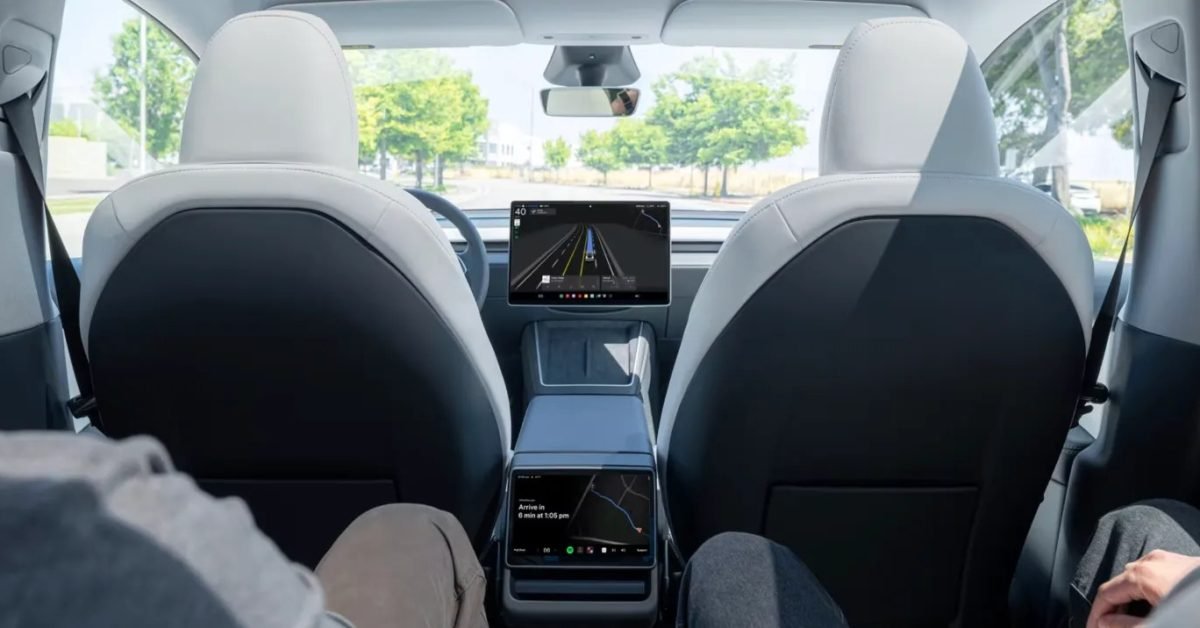
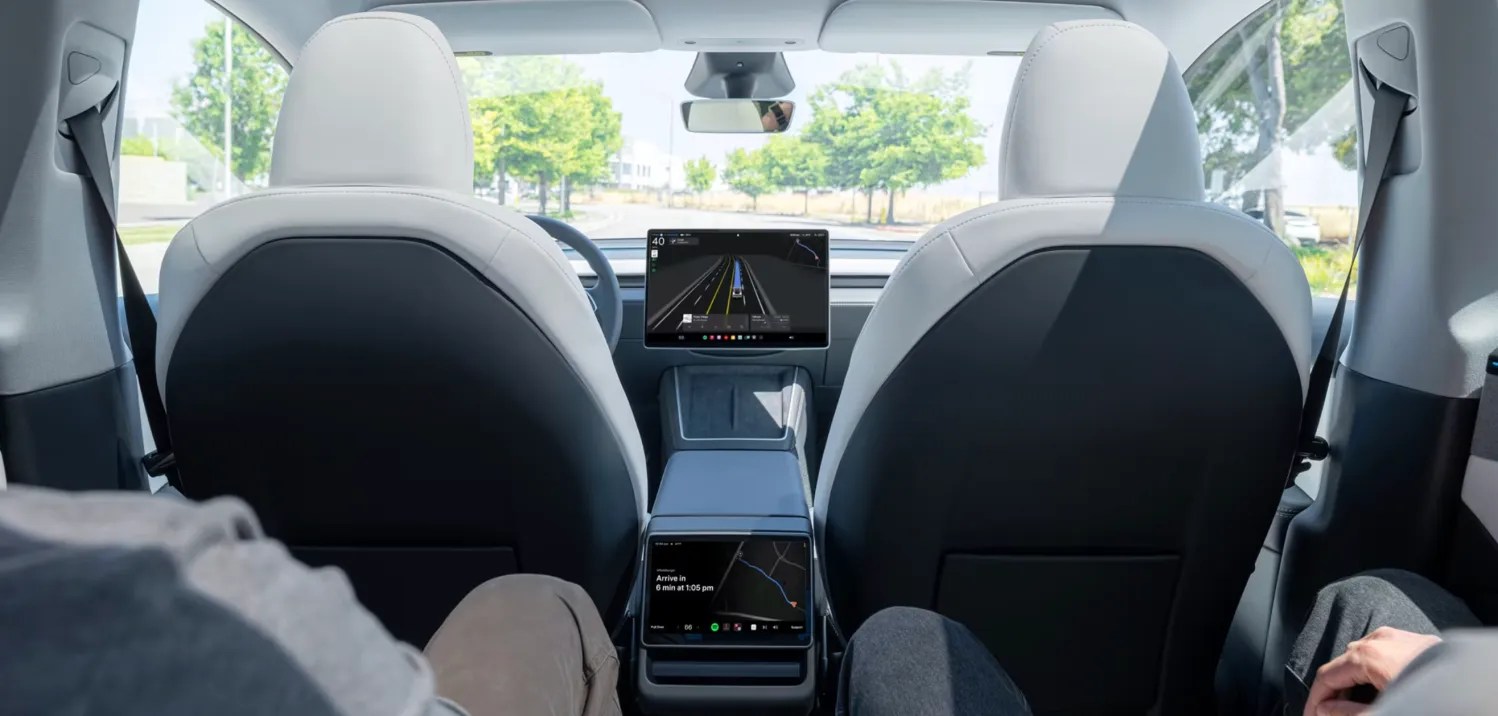
Tesla announced today that its unsupervised “Robotaxi” service now covers the entire Austin metro area, a significant expansion of its geofenced operating zone.
It’s a notable milestone on paper, but the actual fleet serving this massive area remains tiny — just ~20 active unsupervised vehicles, according to the latest data, a number that has actually been shrinking.
The geofence keeps growing, the fleet doesn’t
Tesla’s official Robotaxi account on X posted that “Unsupervised Robotaxi now in the entire Austin Metro area,” confirming the latest expansion. Previously, while Tesla’s “Robotaxi” service was available throughout Austin, when it is running, the unsupervised vehicles could only operate in a small part of South Austin.
The geofence expansion has been the one area where Tesla’s “Robotaxi” program has moved quickly. The service area has grown through several phases over the past year, roughly doubling each time. But expanding territory is the easy part when you have no vehicles to fill it.
As we reported last week, Tesla’s active unsupervised fleet has actually been declining. The latest Robotaxi Tracker data showed just 20 active unsupervised vehicles in Austin.
That means Tesla is now covering potentially thousands of square miles of Austin with roughly 14 unsupervised vehicles. For context, Waymo operates approximately 3,000 robotaxis across its US markets and completes over 500,000 paid trips per week.
A year in, the numbers tell the story
We’re now a full year into Tesla’s “Robotaxi” program, which launched in Austin in June 2025. Here’s where things stand:
The unsupervised fleet peaked at 25 cumulative vehicles in late April, then dropped to 20 active. Dallas and Houston, which launched in April with tiny geofences, have seen zero growth — stuck at 3 and 6 vehicles since launch. The total fleet including supervised Bay Area vehicles collapsed from 165 to just 34 active.
CEO Elon Musk has said Tesla is waiting for its FSD v15 software rewrite before scaling the fleet aggressively, pushing any meaningful ramp to late 2026 or early 2027. But he also previously attached self-driving growth to other software updates that came and went.
Meanwhile, Waymo recently raised $16 billion to fund expansion including to London and Tokyo, and is preparing launches in additional US cities. The company has been expanding its coverage area to over 1,400 square miles across 11 cities — but unlike Tesla, it has thousands of vehicles to actually serve those areas.
Electrek’s Take
Expanding a geofence is essentially drawing a bigger box on a map. It costs nothing, requires no additional vehicles, and looks impressive in a tweet. But a “Robotaxi” service area without robotaxis to serve it is just a map.
Tesla now has ~20 unsupervised vehicles covering the entire Austin metro. The wait times must be extraordinary — if you can even get a ride at all.
We’ve been tracking this program closely since launch, and the pattern is consistent: Tesla moves the goalpost on the metric that’s easy to change (geofence size) while the metric that actually matters (active fleet size and rides) stagnates or declines. The company needs to demonstrate it can safely scale the fleet before any of these service area expansions translate into an actual business.
Until the fleet starts growing — not shrinking — these geofence expansions are essentially announcements that Tesla has drawn a bigger circle around a handful of cars.
If you’re thinking about going electric, powering your EV with home solar is one of the smartest ways to save on fuel costs. With electricity rates climbing nearly 10% last year, home solar protects you against future rate increases. And with lease and PPA options, you can go solar with zero upfront cost and start saving immediately. If you want to find the best deal, check out EnergySage. It’s a free service with hundreds of pre-vetted installers competing for your business, so you save 20 to 30% compared to going it alone. No sales calls until you pick an installer. Get your free quotes here.


FTC: We use income earning auto affiliate links. More.