

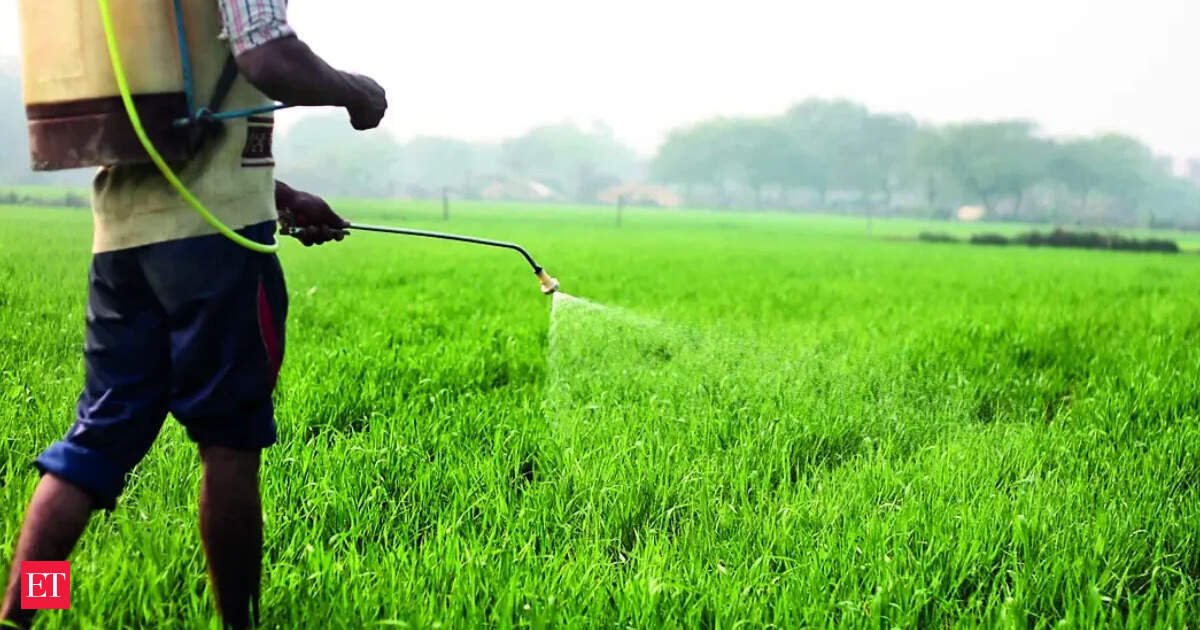
We had asked the Ministry of Agriculture and Farmers’ Welfare to reassess the projected demand for fertilisers and they have reduced their projections following a reevaluation, Sharma said during a press briefing on West Asia Crisis on Monday.
The ministry has reduced the demand for urea from 194 LMT to 190 LMT and that for DAP from 66 LMT to 60 LMT, the official added.
Also Read: Weather swings, monsoon risks, and the growing threat to mango, apple crops
India requires less fertiliser during periods of below-normal rainfall because farmers scale back planting and reduce application rates to avoid financial losses. Farmers also opt for crops such as millets and legumes which require less soil nutrient during years when there is a forecast for below normal rainfall.

The ministry of agriculture has initiated a campaign for spreading awareness amongst farmers to reduce the consumption of bulk fertilisers to help soil health and reduce consumption starting June 1. The move comes after Prime Minister Narendra Modi called on farmers to reduce chemical fertiliser use by 50% to improve soil health and curb import dependence amid elevated global prices – remarks that had raised concerns over potential supply tightness ahead of the kharif sowing season, which begins in the coming weeks.
The current availability of fertilisers is more than 51% of the projected demand, significantly higher than the typical buffer level of about 33%, Sharma added.