

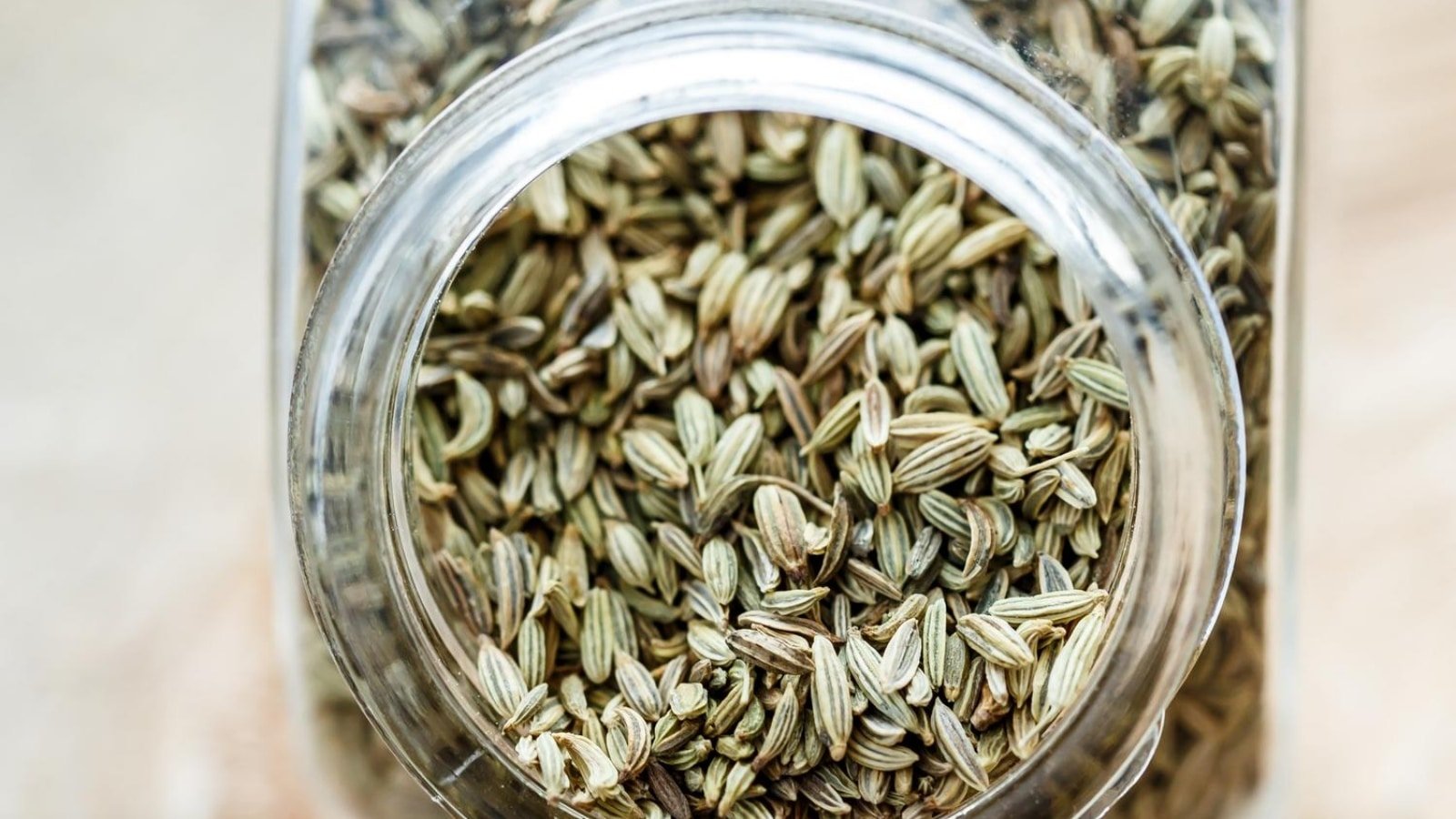
A recent raid by the Gujarat Food Safety Department has raised serious concerns about the safety of everyday food items like fennel seeds, commonly known as saunf. Authorities seized over 3,500 kg of suspected adulterated fennel seeds along with nearly 140 kg of the chemical substance believed to have been mixed into the products. According to reports, the samples have now been sent for laboratory testing to determine the exact nature of the contamination.
DISCLAIMER: This article is based on information from the public domain and/or the experts we spoke to. Always consult your health practitioner before starting any routine.
The case has triggered fresh worries about food adulteration in products routinely consumed after meals in Indian households. Dr Aniket Mule, Consultant – Internal Medicine at KIMS Hospitals, warns that chemically adulterated fennel seeds may pose health risks even when consumed in small amounts.

Immediate health risks consumers should know
Dr Mule explained that industrial dyes are never intended for human consumption and may contain toxic compounds, solvents, or heavy metals that can negatively affect the body.
“Consumption of chemically coloured fennel seeds is definitely a public health concern because these dyes are not meant for human intake,” Dr Mule said. He added that short-term symptoms may include nausea, vomiting, acidity, stomach cramps, loose motions, throat irritation, and allergic reactions.
“In some individuals, especially children, elderly people, pregnant women, or those with liver and kidney conditions, the reaction can be more severe,” he said.
Dr Mule further warned that certain synthetic colours may also trigger headaches, dizziness, or skin rashes. “The biggest issue is that consumers often have no idea what exact chemical has been used. Some non-edible colours are designed for textiles or industrial applications, not food, making even small repeated exposure unsafe,” he explained.
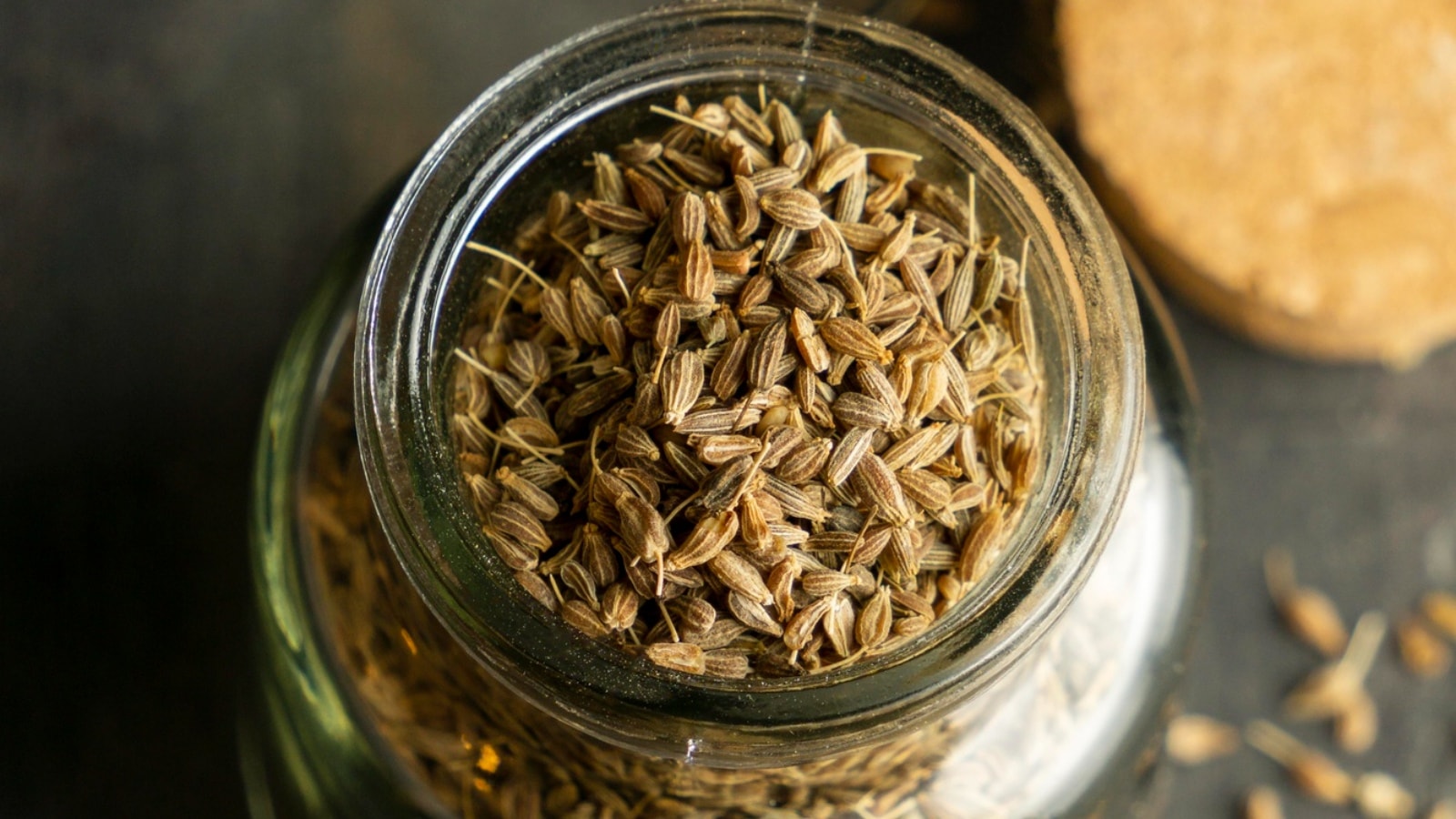 Fennel seeds (Photo: Magnific)
Why repeated exposure is more dangerous
“Regular intake of adulterated food products can quietly harm the body over time,” he noted. Dr Mule said repeated exposure to harmful dyes may gradually damage organs responsible for detoxification.
“Long-term exposure to harmful dyes and adulterants may increase stress on the liver and kidneys, as these organs are responsible for filtering toxins,” he said.
Story continues below this ad
He added that prolonged intake may contribute to chronic inflammation or impaired organ function. Certain synthetic colouring agents have also been associated in studies with hyperactivity in children, hormonal disruption, and possible carcinogenic effects.
“From an internal medicine perspective, the concern is not just one exposure, but repeated low-dose intake over months or years,” Dr Mule emphasised.
He also highlighted the danger of cumulative toxicity. “If a person is unknowingly consuming contaminated spices, sweets, snacks, or mouth fresheners from multiple sources, the chemical burden on the body gradually increases,” he warned.
How to identify suspicious fennel seeds
Dr Mule advised consumers to pay close attention to the appearance and smell of fennel seeds before purchasing them. “Fennel seeds that appear unnaturally bright, glossy, or uniformly green may have been artificially coloured,” he said, adding that natural fennel usually has a softer and slightly uneven shade.
Story continues below this ad
He suggested a simple at-home test: rubbing a small quantity between the palms or placing it on a wet tissue paper. “If colour transfers easily, that is suspicious,” Dr Mule explained.
Consumers should also watch out for unusually strong chemical odours instead of fennel’s natural sweet aroma. Dr Mule urged people to avoid loose products from unverified vendors and instead choose sealed products with proper labelling and FSSAI details.
“Extremely cheap products sold at rates far below the market price should also raise concern,” he said. “At the end of the day, if a food product looks excessively attractive or artificially vibrant, consumers should be cautious rather than impressed.”
DISCLAIMER: This article is based on information from the public domain and/or the experts we spoke to. Always consult your health practitioner before starting any routine.