

Close Menu

    Subscribe to Updates

    Get the latest news information from worldwide businesses.

    What's Hot

    Heat stress increases koala hospitalisation and mortality, finds study

    May 27, 2026

    The Verge’s 2026 college graduation gift guide

    May 27, 2026

    UK Visa Portal exposed thousands of applicants’ passports and selfies — then called the lawyers on us

    May 27, 2026
    Facebook Instagram YouTube LinkedIn X (Twitter)
    Trending
    • Heat stress increases koala hospitalisation and mortality, finds study
    • The Verge’s 2026 college graduation gift guide
    • UK Visa Portal exposed thousands of applicants’ passports and selfies — then called the lawyers on us
    • Piyush Goyal urges Canada for dual degrees to drive cooperation in education sector
    • Govt says India has ample petrol, diesel supply, calls for crackdown on diversion
    • Big Tech gets the AI profits. You get the higher utility bills.
    • Sarthak PDS gets Cabinet nod with Rs 25,530 crore outlay to modernise food distribution system
    • Trump says US 'not satisfied' with Iran deal yet
    Newspublicly
    • About Us
    • Advertise & Partner with us
    • Pitch Your Story
    • Contact Us
    Facebook Instagram LinkedIn X (Twitter)
    Subscribe
    • Home
    • World News
      • Asia
      • India
      • USA
      • UK & Europe
      • Middle East
    • Economy & Business
      • Global Economy
      • Corporate & Industry
      • Finance & Markets
      • Policy & Trade
    • Technology
      • Gadgets & Devices
      • Software & Apps
      • AI & Machine Learning
      • Robotics & Automation
    • Health & Medicine
      • Fitness & Nutrition
      • Research & Innovation
      • Disease & Treatment
      • Doctors, Clinics & Patient Care
    • Travel & Tourism
    • Automobile
      • Electric & Hybrid Vehicles
      • Auto Industry Insights
    • Sports
    • More
      • Education
      • Real Estate
      • Environment & Climate
      • Space & Astronomy
      • War & Conflicts
    Newspublicly
    Home»Health & Medicine»Research & Innovation»Popular anti-aging drug combo caused severe brain damage in mice
    Research & Innovation

    Popular anti-aging drug combo caused severe brain damage in mice

    AdminBy AdminMay 27, 2026No Comments3 Mins Read0 Views
    Share
    Facebook Twitter LinkedIn Copy Link WhatsApp


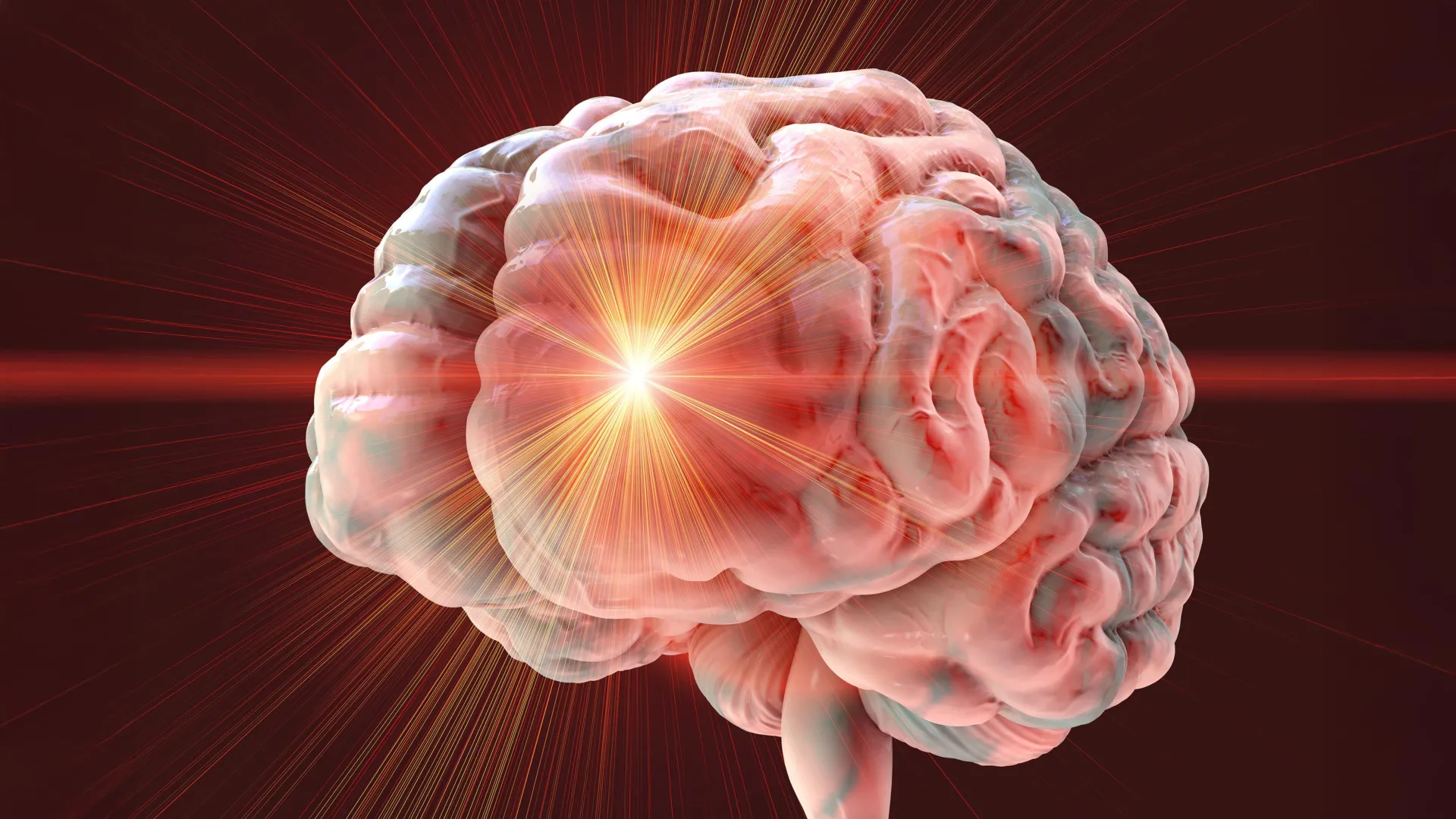
    A drug combination widely studied for its anti-aging potential may have a serious downside. Researchers at the University of Connecticut report that the treatment caused significant brain damage in mice, raising concerns about its growing use in longevity research and off-label anti-aging therapies.

    The findings, published in PNAS, showed that the drug pairing dasatinib+quercetin (D+Q) damaged myelin, the protective coating that surrounds nerve fibers and helps electrical signals travel efficiently through the brain and body.

    “When you administer this cocktail to an animal, young or old, the myelin is damaged, which makes it disappear. Even worse in the young animals” than in the aged ones, says UConn School of Medicine immunologist Stephen Crocker.

    Myelin loss can lead to numbness, pain, difficulty walking, and problems with memory and thinking. Damage to myelin is also a defining feature of multiple sclerosis.

    Anti-Aging Drugs and Brain Health Concerns

    D+Q has become one of the most popular drug combinations in anti-aging research. Scientists have investigated it for its ability to remove aged cells that contribute to inflammation and age-related disease. The treatment is currently being explored for conditions including type II diabetes and Alzheimer’s disease.

    Outside clinical settings, some people interested in longevity have also experimented with the drugs on their own, despite warnings from medical professionals. However, very little research has examined how the combination affects the brain.

    Researchers Evan Lombardo ’23 (CLAS), now a neuroscience graduate student at Dartmouth, and Robert Pijewski ’21 Ph.D., currently at Anna Maria College, wanted to see whether D+Q might help repair brain damage associated with multiple sclerosis.

    To test the idea, the team treated both young mice (6 to 9 months old) and older mice (22 months old) with the drug combination. They also studied oligodendrocytes grown in laboratory dishes. These specialized brain cells are responsible for producing and maintaining myelin.

    Severe Myelin Loss and “Chemo Brain” Effects

    The results surprised the researchers.

    Healthy mice normally show thick myelin layers surrounding nerve fibers in the brain. In the treated mice, those protective layers were dramatically reduced after exposure to D+Q. Younger mice experienced even greater damage than older animals.

    The researchers also found that the corpus callosum, a major structure that connects the two halves of the brain and supports many critical functions, had deteriorated in mice receiving the treatment. Similar damage is sometimes seen in people undergoing chemotherapy and is associated with symptoms often described as “chemo brain.”

    Brain Cells Reverted to an Immature State

    When scientists examined the damaged tissue more closely, they discovered that the oligodendrocytes had not died. Instead, the cells appeared to regress into a more juvenile form.

    The team also observed abnormal metabolism inside the cells.

    “We suspect the drugs are choking off energy the cells need, and the cells respond by reducing complexity, reverting to a younger state, but less functional,” Crocker says.

    Interestingly, the altered cells closely resembled a distinct population of cells previously identified in people with multiple sclerosis. The researchers believe this could provide important clues about how the disease develops.

    New Clues About Multiple Sclerosis

    The findings suggest that in multiple sclerosis, myelin-producing cells may come under stress and revert to a younger, less functional state instead of dying completely. If true, that could mean the cells still have the potential to recover.

    Researchers are now investigating whether those damaged cells can be restored and encouraged to repair the brain.

    “If we can mimic this, we have an amazing opportunity to see if the cells can recover and repair the brain,” Crocker says.


    Source link

    Author

    • Admin

      NewsPublicly.com is News & Articles Platform that creating SEO-focused articles on travel, lifestyle, and digital trends.

    Admin
    • Website

    NewsPublicly.com is News & Articles Platform that creating SEO-focused articles on travel, lifestyle, and digital trends.

    Related Posts

    New laser heat treatment could stop blindness before it starts

    May 27, 2026

    New drug could finally stop deadly fatty liver disease

    May 27, 2026

    Tiny “sesame” sea slug discovered in Taiwan turns out to be a new species

    May 27, 2026
    Leave A Reply Cancel Reply

    Demo
    Top Posts

    “Inside Gemini Robotics 1.5: How Robots Learn to Reason & Act

    November 22, 202525 Views

    How US Tariffs Are Reshaping the Global Growth Landscape?

    November 21, 202518 Views

    Pakistani Journalist Laughing at Tejas Fighter Jet Crash at Dubai Airshow Sparks Massive Outrage Worldwide

    November 23, 202517 Views

    Vibe-Coding Boom: How Non-Coders Build Apps With AI Agents

    November 22, 202515 Views
    Don't Miss

    Heat stress increases koala hospitalisation and mortality, finds study

    May 27, 20261 Min Read0 Views

    Heat stress increases koala hospitalisation and mortality, finds study We use cookies for analytics, advertising…

    The Verge’s 2026 college graduation gift guide

    May 27, 2026

    UK Visa Portal exposed thousands of applicants’ passports and selfies — then called the lawyers on us

    May 27, 2026

    Piyush Goyal urges Canada for dual degrees to drive cooperation in education sector

    May 27, 2026
    Stay In Touch
    • Facebook
    • Twitter
    • Instagram
    • YouTube
    • LinkedIn
    • WhatsApp

    Subscribe to Updates

    Get the latest creative news from SmartMag about art & design.

    Demo
    NEWSPUBLICLY
    Facebook X (Twitter) Instagram LinkedIn

    Home

    • About Us
    • Leadership
    • Advertise & Partner With Us
    • Pitch Your Story
    • Media Kit & Pricing
    • Career
    • FAQs

    Guidelines

    • Editorial & Submission
    • Partnership
    • Advertising & Sponsor
    • Intellectual Property Policy
    • Community & Comment
    • Security & Data Protection
    • Send Your Opinion

    Quick Links

    • Cookie Policy
    • Payment & Billing Terms
    • Refund & Cancellation
    • Copyright Policy
    • Complaint & Support
    • Sitemap
    • Contact Us

    Subscribe Us

    Get the latest news and updates!

    Copyright © 2026 Newspublicly (DIGITALIX COMMUNICATION). All Rights Reserved.
    • Privacy Policy
    • Terms of Use
    • Disclaimer