

- Volvo Cars will be allowed to import and sell connected cars with Chinese hardware and software in the U.S., despite a Department of Commerce ban.
- The Swedish automaker, which is owned by China’s Geely, got a special authorization.
- Volvo builds the best-selling XC60 in China, as well as the smaller XC40.
Volvo, the Swedish automaker that’s owned by China’s Geely, will be allowed to import and sell connected cars with Chinese hardware and software in the United States, despite a Department of Commerce rule that effectively bans vehicles with Chinese electronic brains and network connectivity.
The automaker said it was required to follow a process with the U.S. Department of Commerce to obtain a specific authorization for the continued import and sale of connected cars stateside. The authorization was granted by the Office of Information and Communications Technology and Services.

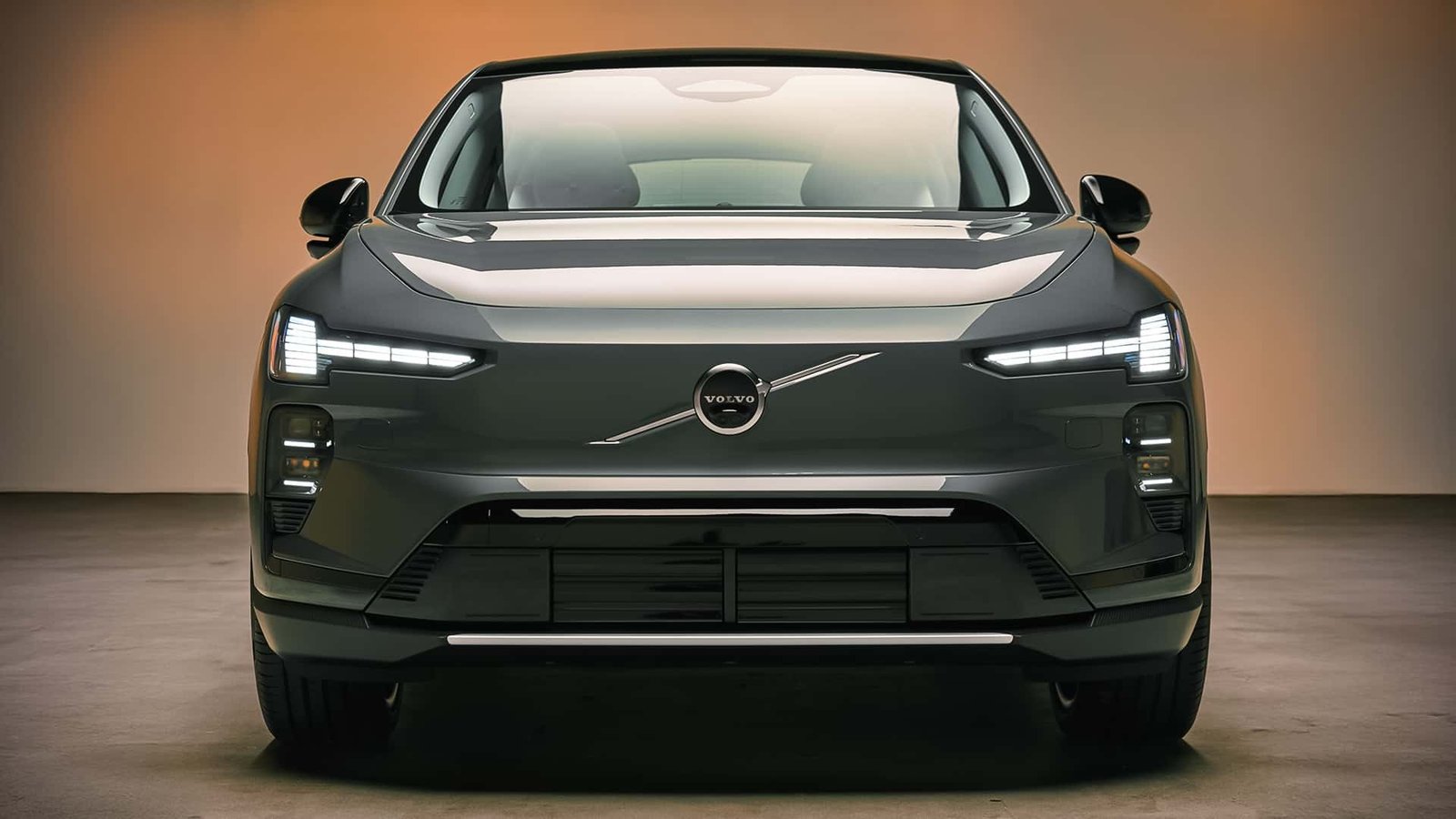
Volvo EX90 with Google built-in
Photo by: Volvo
“With this specific authorization, Volvo Cars can continue its growth plans in the U.S.,” the company said in a statement.
The Commerce Department’s rules, which went into effect on March 17, 2025, restrict the import and sale of connected vehicles with software from China and Russia starting with the 2027 model year, and with hardware from the two countries starting with the 2030 model year.
The reasons behind the restrictions have to do with equipment that’s “easily exploitable” by foreign governments that may have malicious intentions, stealing data, or controlling fleets remotely. According to the rule, hardware and software “designed, developed, manufactured, or supplied by persons owned by, controlled by, or subject to the jurisdiction or direction of” China, and “completed connected vehicles that incorporate covered software” cannot be imported into the U.S.
Not all connected cars are covered, though, with the rule specifically targeting software that enables automated driving (but not simpler driver-assistance features) and vehicle connectivity to satellite, cellular, and Wi-Fi networks.
As a result, companies can’t ship cars with Chinese hardware and software that fall under the rules, irrespective of whether the vehicle itself was assembled in China or not. Furthermore, manufacturers tied to the Chinese government are prohibited from selling completed connected cars in the U.S., even if the components and software were made somewhere else.
In Volvo’s case, the best-selling XC60 crossover, as well as the smaller XC40, are assembled in China. The company also has a design facility in Shanghai.