

Autoimmune diseases occur when the body’s immune system mistakenly attacks its own tissues. Conditions such as rheumatoid arthritis, systemic lupus erythematosus (SLE), multiple sclerosis and inflammatory myositis often require years of immunosuppressive treatment, exposing patients to infections, organ damage and cumulative side effects.
Researchers are now studying whether CAR-T therapy,a personalised immune-cell treatment already used in blood cancers could change the way autoimmune disorders are treated.
A study published in The Lancet reported that CAR-T cell therapy showed promising results in severe autoimmune diseases, with researchers suggesting the treatment could “reset” the immune system and induce long-term remission in conditions such as lupus and systemic sclerosis. According to studies, autoimmune disorders now affect around one in 10 people globally. In India, estimates suggest that more than 100 million people may be living with an autoimmune condition.

Resetting immune cells
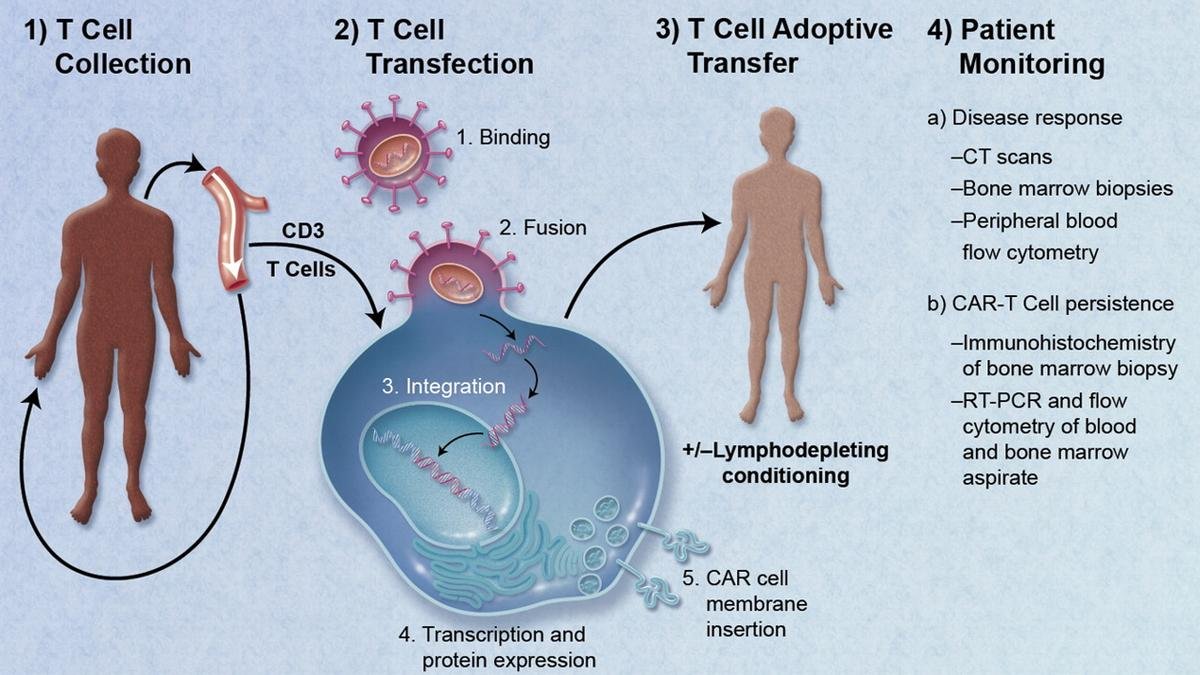
CAR-T therapy involves extracting a patient’s T-cells, genetically engineering them in the laboratory to recognise specific targets, and then infusing them back into the body. In cancer treatment, these engineered cells attack malignant cells. In autoimmune disease, the target is different: rogue B-cells that mistakenly attack the body’s own tissues.
Aishwarya G., consultant rheumatologist and clinical immunologist, Apollo Speciality Hospitals, said the idea emerged from observations in blood cancer treatment, where CAR-T therapy caused prolonged depletion of B-cells.
“One major issue with disorders such as lupus, rheumatoid arthritis and multiple sclerosis is that B-cells turn against the body itself. If T-cells can be engineered to eliminate these rogue cells, the disease process may potentially be halted,” she said.
Gopinath M., consultant Hemato-Oncology (BMT), MGM Cancer Institute, explained that CAR-T therapy induces “B-cell aplasia”, the near-complete depletion of B-cells which may help control autoimmune diseases driven by these cells.
Unlike conventional treatments such as steroids, methotrexate and biologics, which suppress the immune system continuously, CAR-T therapy aims to remove the problematic immune cells themselves. “The goal is not lifelong suppression but a one-time intervention that allows the immune system to rebuild itself,” Dr. Aishwarya said.

Promising early results
Much of the interest in CAR-T therapy comes from early studies in Europe, particularly from research groups in Erlangen, Germany, where patients with severe lupus who did not respond to standard treatments achieved prolonged remission after a single infusion.
Studies in lupus, inflammatory myositis and multiple sclerosis have reported patients remaining symptom-free for over a year without continuous immunosuppressive medication. Dr. Gopinath said CAR-T therapy has completed Phase 2 trials in conditions such as SLE and inflammatory myositis, with larger studies expected to expand further, including in India.
“The greatest advantage is that the dependence on multiple immunosuppressants can reduce significantly, and some patients may even stop them completely,” he said.
A.R. Jaswanthini, consultant hematologist, hemato-oncologist and bone marrow transplant specialist at VS Hospitals, Chennai, said CAR-T therapy could potentially offer “deeper and longer-lasting remission” by selectively eliminating abnormal immune cells instead of broadly suppressing immunity. She added that the therapy “aims to reprogramme the immune system itself,” creating the possibility of durable remission after a single treatment in refractory patients.

Challenges and future possibilities
Experts caution that major scientific, clinical and financial barriers remain before CAR-T therapy becomes part of routine autoimmune care. One major concern is safety. CAR-T therapy can trigger cytokine release syndrome, a severe inflammatory reaction along with neurological complications. Patients also require conditioning chemotherapy before treatment.
“In oncology, higher risks are accepted because cancer can be immediately life-threatening,” Dr. Aishwarya said. “But many autoimmune patients are young people who may otherwise live for decades.”
Another concern is durability. Experts say current studies show remission lasting around one-and-a-half to two years in some cases, after which relapse may occur when B-cells recover.
Dr. Gopinath said researchers are now studying repeated CAR-T infusions and newer engineering methods to make the modified cells persist longer inside the body.
Long-term effects also remain unclear. Researchers still do not know whether the immune system fully reconstitutes normally after treatment or whether autoreactive cells eventually return.
Cost and accessibility remain additional challenges, particularly in countries such as India. CAR-T therapy is currently highly specialised and expensive, available only at select centres.
Looking ahead, experts say future immune-cell therapies may become more precise, targeting only harmful immune pathways while preserving the rest of the immune system. They also expect advances in “off-the-shelf” CAR-T products to reduce costs and improve access over the next decade.
Published – May 27, 2026 12:31 am IST