

Close Menu

    Subscribe to Updates

    Get the latest news information from worldwide businesses.

    What's Hot

    High intake of packaged foods tied to elevated BP among youth: NIN study

    May 25, 2026

    Torrent Pharma Q4 Profit Falls 27% to Rs 364 Cr Despite Strong India, US Growth

    May 25, 2026

    Solar surge hits coal wall, 300 GWh of clean power wasted in Q1 of 2026

    May 25, 2026
    Facebook Instagram YouTube LinkedIn X (Twitter)
    Trending
    • High intake of packaged foods tied to elevated BP among youth: NIN study
    • Torrent Pharma Q4 Profit Falls 27% to Rs 364 Cr Despite Strong India, US Growth
    • Solar surge hits coal wall, 300 GWh of clean power wasted in Q1 of 2026
    • More than 1.5m foreign pilgrims begin Hajj despite Iran war fears
    • Angela Merkel won’t be negotiating with Putin – but the rumour reflects a truth about the Ukraine war | Nathalie Tocci
    • India moves a step closer to 114 Rafales deal: ‘LoR for mega contract ready, to be sent to France soon’ | India News
    • New Jersey Gov. Sherrill denied entry to Newark ICE detention facility
    • Matt Walsh lashes out at “anti-alcohol stuff” after Steven Bartlett shares how few glasses of wine ruined his days
    Newspublicly
    • About Us
    • Advertise & Partner with us
    • Pitch Your Story
    • Contact Us
    Facebook Instagram LinkedIn X (Twitter)
    Subscribe
    • Home
    • World News
      • Asia
      • India
      • USA
      • UK & Europe
      • Middle East
    • Economy & Business
      • Global Economy
      • Corporate & Industry
      • Finance & Markets
      • Policy & Trade
    • Technology
      • Gadgets & Devices
      • Software & Apps
      • AI & Machine Learning
      • Robotics & Automation
    • Health & Medicine
      • Fitness & Nutrition
      • Research & Innovation
      • Disease & Treatment
      • Doctors, Clinics & Patient Care
    • Travel & Tourism
    • Automobile
      • Electric & Hybrid Vehicles
      • Auto Industry Insights
    • Sports
    • More
      • Education
      • Real Estate
      • Environment & Climate
      • Space & Astronomy
      • War & Conflicts
    Newspublicly
    Home»Health & Medicine»Research & Innovation»Scientists discover why some DNA-doubled cells refuse to die
    Research & Innovation

    Scientists discover why some DNA-doubled cells refuse to die

    AdminBy AdminMay 25, 2026No Comments3 Mins Read0 Views
    Share
    Facebook Twitter LinkedIn Copy Link WhatsApp


    Every second, countless cells in the human body divide to create new cells. It is one of the most important processes in biology, and it depends on thousands of molecules working together with incredible precision. But sometimes the process breaks down in unexpected ways.

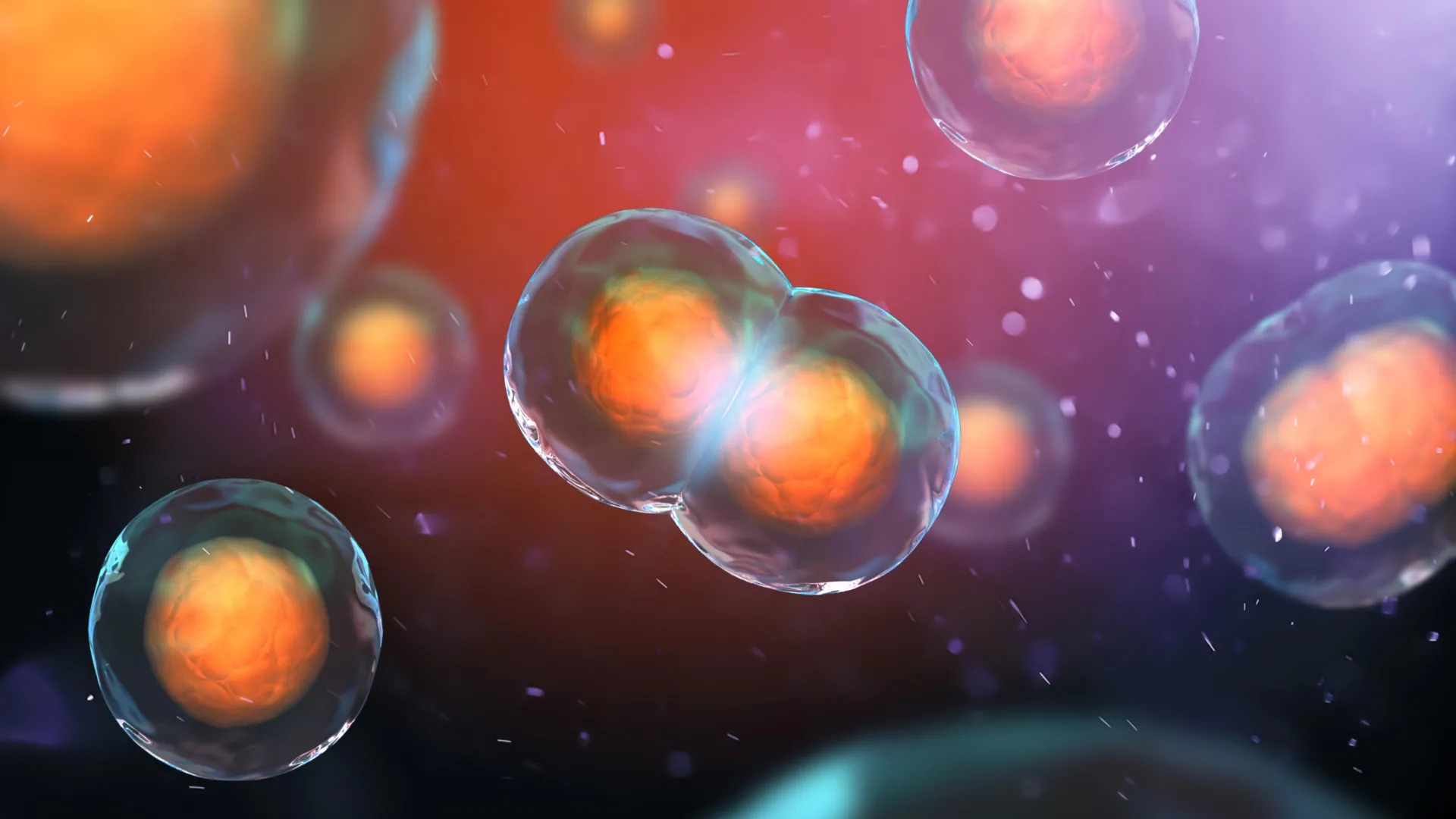
    Before a cell can divide into two separate cells, it first has to copy all of its DNA so each new cell receives a full genetic blueprint. In some cases, the DNA is copied successfully, but the cell never fully splits. The result is a single cell containing twice the normal amount of DNA, a condition known as whole genome duplication (WGD).

    A simple way to imagine this is like making two photocopies of a document but accidentally placing both copies into the same folder instead of separating them.

    Scientists have long known that whole genome duplication can have major consequences. Cells with extra DNA may stop functioning normally, become inactive, die, change into other cell types, accumulate age related damage, or contribute to diseases including cancer.

    Two Different Ways Cells Can Fail

    Researchers at Hokkaido University wanted to understand whether the specific way a cell fails during division changes what happens afterward.

    The team focused on two major causes of whole genome duplication: cytokinesis failure and mitotic slippage.

    During cytokinesis failure, the cell completes nearly the entire division process but fails at the final step where it physically splits into two separate cells. In mitotic slippage, the cell starts the division process but exits too early before its chromosomes are properly separated.

    “While whole genome duplication occurs through multiple cellular processes, it has been unclear whether differences in the route affect the characteristics of the resulting cells,” says Associate Professor Ryota Uehara, corresponding author of the study.

    Although both mistakes leave cells with doubled DNA, the researchers discovered that the outcomes are dramatically different.

    Why Some DNA-Doubled Cells Survive

    Using live cell imaging and chromosome specific labeling techniques, the scientists tracked how cells behaved after undergoing whole genome duplication through the two different mechanisms.

    Cells created through cytokinesis failure were much more stable and had a higher chance of surviving. Cells produced through mitotic slippage, however, often showed uneven chromosome distribution and lower survival rates.

    The researchers found that chromosome organization was the key factor behind these differences.

    In mitotic slippage, chromosomes are frequently divided unevenly, creating severe genetic imbalance that reduces a cell’s ability to survive. In cytokinesis failure, chromosome distribution remains more balanced, allowing cells to stay more stable.

    The team also found that when they experimentally improved chromosome separation in cells undergoing mitotic slippage, the cells became significantly more viable.

    Implications for Cancer Research

    The findings could have important implications for cancer treatment and prevention.

    Whole genome duplication is commonly found in cancer cells, and some cancer therapies can unintentionally trigger it as well. Cells that survive after gaining extra DNA may continue multiplying and potentially contribute to tumor recurrence.

    The new research suggests that targeting chromosome separation processes could help prevent abnormal cells from surviving and continuing to grow.

    “There are different mechanisms through which whole genome duplication can occur, but their distinct impacts have largely been overlooked,” says Uehara. “We challenged this conventional view by comparing cells formed through different mechanisms and found that these differences can influence cell behavior over the long term.”


    Source link

    Author

    • Admin

      NewsPublicly.com is News & Articles Platform that creating SEO-focused articles on travel, lifestyle, and digital trends.

    Admin
    • Website

    NewsPublicly.com is News & Articles Platform that creating SEO-focused articles on travel, lifestyle, and digital trends.

    Related Posts

    Common heart drug taken by millions found useless — and possibly dangerous

    May 25, 2026

    100-million-year-old bug had crab-like claws unlike any known insect

    May 25, 2026

    This prehistoric fish may explain how animals first walked on Earth

    May 25, 2026
    Leave A Reply Cancel Reply

    Demo
    Top Posts

    “Inside Gemini Robotics 1.5: How Robots Learn to Reason & Act

    November 22, 202525 Views

    How US Tariffs Are Reshaping the Global Growth Landscape?

    November 21, 202518 Views

    Pakistani Journalist Laughing at Tejas Fighter Jet Crash at Dubai Airshow Sparks Massive Outrage Worldwide

    November 23, 202517 Views

    Vibe-Coding Boom: How Non-Coders Build Apps With AI Agents

    November 22, 202515 Views
    Don't Miss

    High intake of packaged foods tied to elevated BP among youth: NIN study

    May 25, 20263 Mins Read0 Views

    Higher consumption of high-fat and high-salt Ultra-Processed Foods (UPFs) is associated with increased odds of…

    Torrent Pharma Q4 Profit Falls 27% to Rs 364 Cr Despite Strong India, US Growth

    May 25, 2026

    Solar surge hits coal wall, 300 GWh of clean power wasted in Q1 of 2026

    May 25, 2026

    More than 1.5m foreign pilgrims begin Hajj despite Iran war fears

    May 25, 2026
    Stay In Touch
    • Facebook
    • Twitter
    • Instagram
    • YouTube
    • LinkedIn
    • WhatsApp

    Subscribe to Updates

    Get the latest creative news from SmartMag about art & design.

    Demo
    NEWSPUBLICLY
    Facebook X (Twitter) Instagram LinkedIn

    Home

    • About Us
    • Leadership
    • Advertise & Partner With Us
    • Pitch Your Story
    • Media Kit & Pricing
    • Career
    • FAQs

    Guidelines

    • Editorial & Submission
    • Partnership
    • Advertising & Sponsor
    • Intellectual Property Policy
    • Community & Comment
    • Security & Data Protection
    • Send Your Opinion

    Quick Links

    • Cookie Policy
    • Payment & Billing Terms
    • Refund & Cancellation
    • Copyright Policy
    • Complaint & Support
    • Sitemap
    • Contact Us

    Subscribe Us

    Get the latest news and updates!

    Copyright © 2026 Newspublicly (DIGITALIX COMMUNICATION). All Rights Reserved.
    • Privacy Policy
    • Terms of Use
    • Disclaimer